In short
Port concrete yards work in some of the harshest conditions in commercial infrastructure. Container handling, HGV traffic and round-the-clock operation wear surfaces down fast, and a failing yard brings safety risks, delays and repair bills that keep climbing. If you manage a UK port facility, you already know what that costs.
PKB Civils carries out heavy-duty port concrete yard maintenance across the UK and keeps sites running while the work goes on. This guide covers how to inspect a yard, deal with drainage, specify repairs and phase the work around live operations.
Key takeaways
- Inspect regularly. Cracks, joint damage and drainage failures cost little to fix early and a lot to fix late.
- Yards taking HGV and plant traffic need a heavy-duty specification, typically 200mm reinforced concrete with A252 mesh.
- Drainage failures do more damage than vehicle traffic, so surface water management has to be a priority.
- PKB Civils delivers phased repairs on live port sites, so operations carry on throughout.
- Planned maintenance costs significantly less than reactive repair and avoids unplanned shutdowns.
Why port concrete yards fail faster than other industrial surfaces
Several factors in a port environment speed up concrete deterioration, and they act together. Constant HGV and plant traffic creates repeated dynamic loading that standard commercial specifications were not designed for, and container handling equipment adds point loads above typical design parameters. Coastal salt attacks the concrete and any reinforcement in it, while standing water speeds up freeze-thaw damage in winter.
Unlike inland logistics yards, ports often run 24/7, so there is no downtime for preventive maintenance. Port yards typically show distress within 10 to 15 years of construction, and sooner if the original specification was inadequate.
1. How to inspect your port concrete yard
Inspect the yard at least quarterly, and again after severe weather. Walk the whole yard and record what you find with photographs, measurements and location mapping. Caught early, a problem needs a targeted repair that costs a fraction of replacement.
What to look for in a visual inspection
Start with surface cracking. Hairline cracks are normal. Cracks wider than 3mm point to structural movement or sub-base failure. The pattern tells you more: radial cracks around joints suggest overloading, while map cracking across large areas points to mix design problems or drying shrinkage.
Check every construction and saw-cut joint for spalling, sealant failure and vertical movement between slabs. Damaged joints let water into the sub-base and speed up deterioration across the yard. Look closely around gullies and drainage channels, where concentrated water increases wear.
Spotting drainage problems
Standing water is the clearest sign of drainage failure. Ponding that is still there two hours after rain means insufficient falls or blocked drainage, so walk the yard during or just after rain to see how water moves across it.
Blocked or damaged ACO channels are common in port yards. Heavy plant tracks over them, debris builds up and gratings fail under repeated loading. Inspect every channel and gully, clear the debris and check the channel bodies and gratings for damage.
2. Common concrete defects in port yards and their causes
Knowing why a defect happened helps you specify the right repair. Most port yard failures come from inadequate original specification, poor drainage design and accumulated traffic loading working together.
Surface spalling and scaling
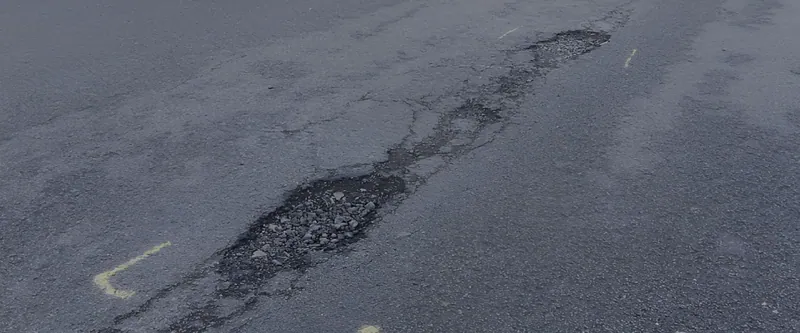
Spalling strips material from the top layer of concrete, leaving rough patches and eventually potholes. In ports it usually comes from freeze-thaw damage, reinforcement corrosion or too little air entrainment in the original mix. Salt-laden coastal air speeds up corrosion in any reinforcement sitting too close to the surface.
Joint deterioration
Joints are the weakest point in any concrete yard. In ports they fail through inadequate load transfer between slabs, poor sealant maintenance and incompressible material building up in the joint. Once a joint fails, water reaches the sub-base, traffic pumps it, and voids form beneath the slabs.
Sub-base failure
When the sub-base fails, the slab above loses support and cracks under traffic. Look for rocking slabs, corner breaks and visible depressions under loaded vehicles. The usual cause is water getting in through failed joints or drainage, combined with poor compaction during the original build. The repair means removing and replacing whole slabs. Surface treatment will not hold.
3. How to plan phased repairs on a live port site
The hardest part of port yard maintenance is keeping the site running while the work is done. Closing a whole container yard for resurfacing is rarely practical. A phased programme splits the yard into sections and repairs them one at a time while traffic carries on elsewhere.
Sequencing works around port operations
Good phasing starts with understanding how the port operates. Which areas take the most traffic? Are there quiet periods, shift changes or seasonal swings? Work with your contractor to map traffic patterns and find the sequence that causes the least disruption.
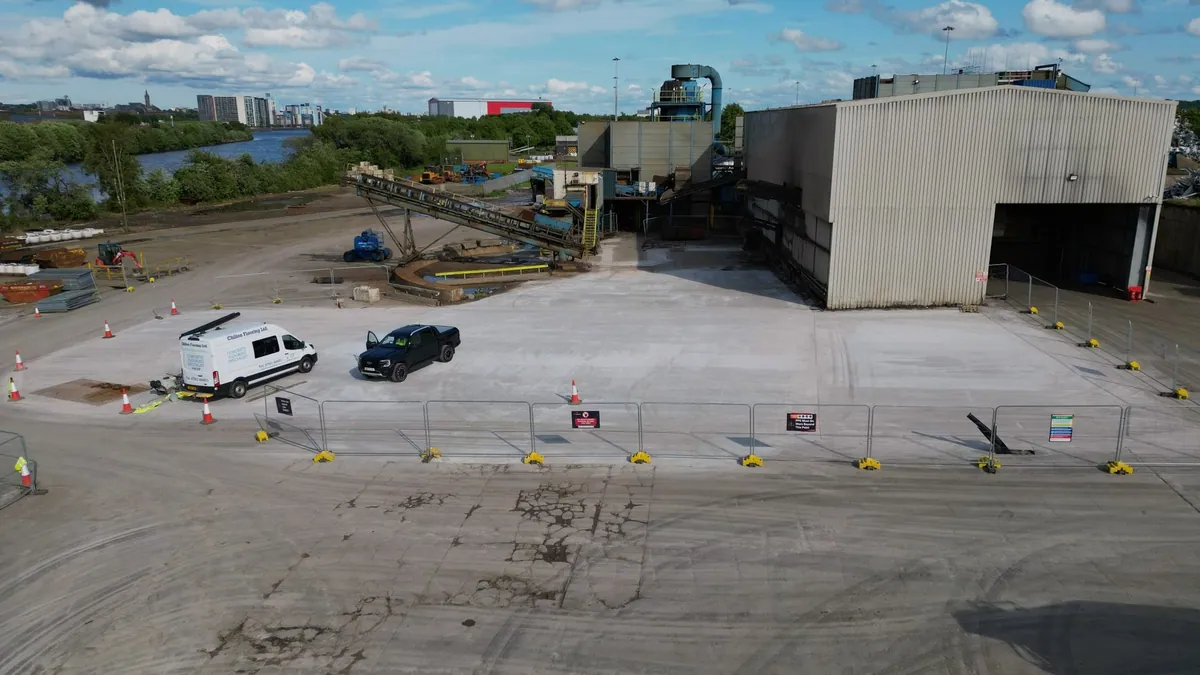
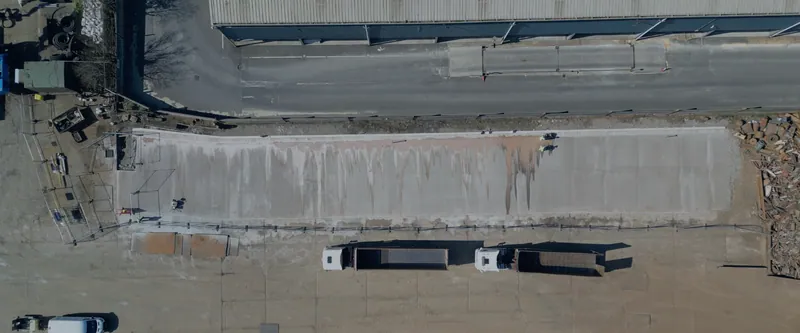
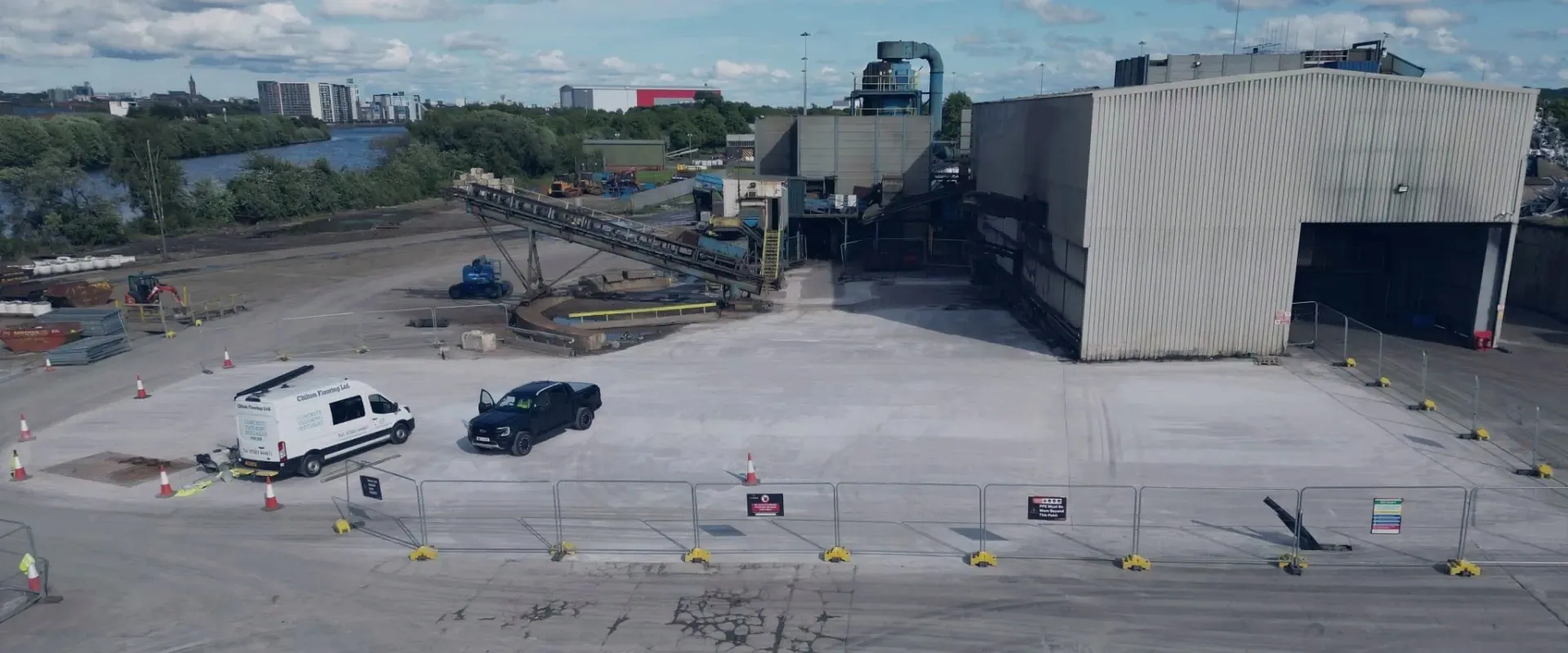
PKB Civils plans every port project around operational requirements, agreeing access routes, phasing boundaries and working hours with site management. On a recent Glasgow port project, the team sequenced 2,400m² of concrete repairs over 12 weeks while the port kept operating normally. Each section was physically segregated to protect workers and keep live port operations clear of the works.
Managing curing times on live sites
Standard concrete needs 7 days to reach working strength, which is a problem on a live site. Rapid-strength mixes can cut that to 24 to 48 hours for light traffic, though full HGV loading may need longer.
Balance speed against durability in the repair specification. Rushing the cure to cut downtime can weaken long-term performance and create defects that need repeat repairs. A properly phased programme gives the concrete the time it needs while the rest of the yard stays open.
4. Why drainage maintenance matters so much
Poor drainage destroys port concrete faster than heavy vehicles do. Water gets in through surface cracks and failed joints and saturates the sub-base, which reduces its load-bearing capacity. Traffic then pumps the saturated material. Voids form, and slabs rock and crack.
Maintaining surface water drainage
Clear gullies and channels of debris at least monthly, and more often if the port handles bulk materials that shed fines. Check that the falls direct water to drainage points with no ponding anywhere on the surface.
Repair or replace damaged channel gratings promptly. A broken grating is a trip hazard and lets larger debris into the system. In high-traffic areas, consider heavy-duty ductile iron gratings rated for the wheel loads your equipment produces.
Deep drainage and water table issues
Some port sites have rising groundwater or a high water table that affects the yard. If water seeps up through joints or cracks in dry weather, the problem may lie below the surface drainage layer. Fixing it means investigating ground conditions and possibly installing sub-slab drainage or pumping systems.
5. Specifying repairs for heavy-duty port applications
A repair designed for lighter-duty use will fail early, waste maintenance budget and mean repeat disruption. Specify for the loads and conditions your site actually sees.
Concrete specifications for HGV and plant traffic
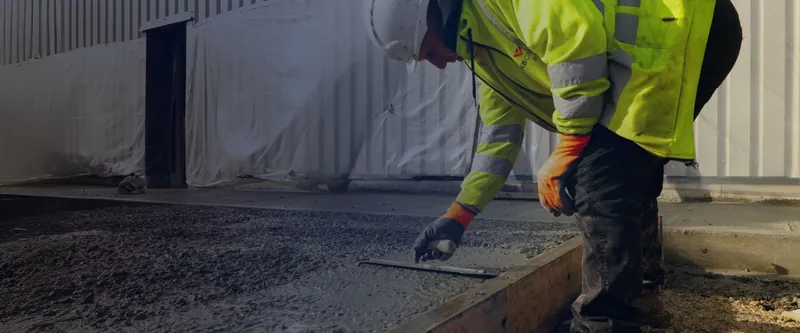
PKB Civils typically specifies a minimum of 200mm reinforced concrete with A252 mesh for yards handling HGVs and heavy plant. The exact specification depends on vehicle weights, ground conditions and how the yard is used. Container handling areas may need deeper sections or stronger reinforcement, depending on the equipment and stacking operations.
Joint design matters as much as slab thickness. Joints with adequate load transfer devices prevent the edge spalling and faulting that affect many port yards. The joint layout should reflect traffic patterns, so vehicles cross joints at suitable angles instead of running along them.
Choosing between repair and replacement
Not every defect needs full slab replacement. Surface repairs, joint resealing and localised patching can deal with many problems cost-effectively, but only if the structure beneath is sound. If the sub-base has failed or the reinforcement has corroded badly, a surface repair will not last.
A thorough site survey shows which areas need replacing and which can be repaired economically. PKB Civils offers free site surveys that assess the condition of the yard and recommend the most practical approach for each area, so the budget goes on root causes.
6. How to reduce long-term maintenance costs
Reactive maintenance costs significantly more than planned maintenance. Emergency repairs carry a premium, the disruption is unplanned, and repeated patching treats symptoms instead of causes.
Building a maintenance schedule
A good schedule has quarterly visual inspections, annual detailed surveys and repair windows planned for quieter periods. Record everything you find and track how defects progress. That data shows when each area will need work and lets you budget well ahead.
Put drainage in the schedule as well: monthly clearing of surface drainage, quarterly inspection of deeper systems and annual CCTV surveys of critical drainage runs. These catch problems before they affect the yard.
Working with specialist contractors
General contractors often lack experience working around 24/7 operations, which leads to programme overruns and safety conflicts with live traffic. Look for documented experience on similar sites and direct-employed teams, which keep quality and safety standards consistent.
PKB Civils has delivered groundworks, drainage and concreting on live industrial sites for over 40 years, and works across UK ports on phased programmes that keep sites operational. Directly employed staff carry out all the work, so accountability is clear from survey to completion.
7. Health and safety during port yard maintenance
Vehicle movements, container handling and pedestrian traffic all continue while repairs go on, so work zones need effective segregation from operational areas.
Segregating work zones from operations
Use concrete barriers, fencing and clear signage to keep vehicles and pedestrians out of work zones. Agree traffic management plans with port operations before work starts, and brief everyone on site.
Some repairs can go ahead during normal operations with proper segregation. Others need night or weekend working, when traffic is lighter. Discuss the options with your contractor at the planning stage to find the safest practical approach.
Documenting maintenance for compliance
Keep records of all inspections, defects found and repairs completed. They show due diligence and support your position if an accident happens or an insurer queries the condition of the site. Photographs before and after each repair give clear evidence.
8. When to consider full yard replacement
At some point repair costs more than replacement. If more than 30 to 40% of the yard needs work, or repairs keep failing in the same places, full resurfacing may make better financial sense. A new yard built to the correct specification can last 25 to 30 years.
Replacement also lets you fix what patching cannot. Inadequate drainage can be redesigned, sub-base problems corrected and joint layouts adjusted to current traffic patterns. The result performs better than a yard kept going with repeated repairs.