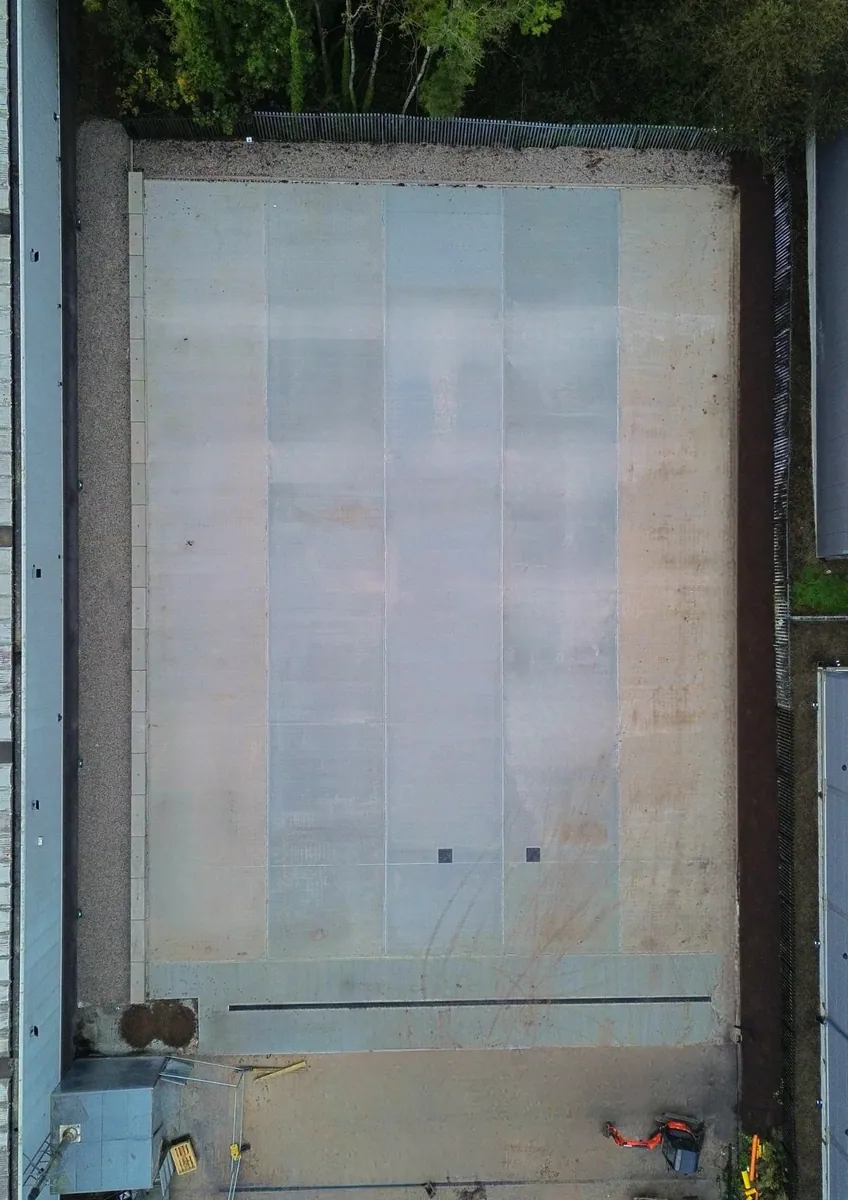
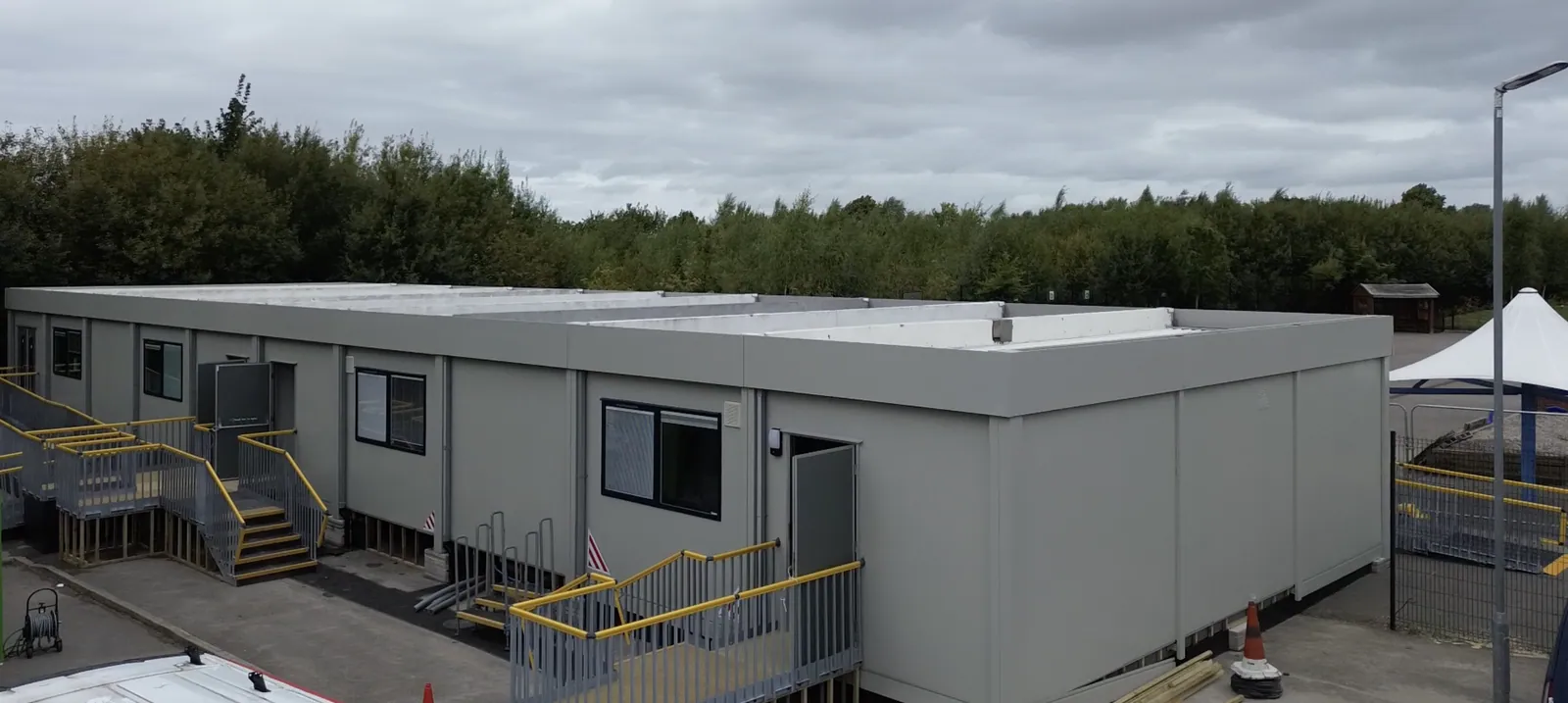
Everything was prepared when we arrived and the school was kept running throughout. Really pleased with how it went and look forward to working with you again

Modular classroom groundworksSt Helens, Modular, 4 weeksSee the job

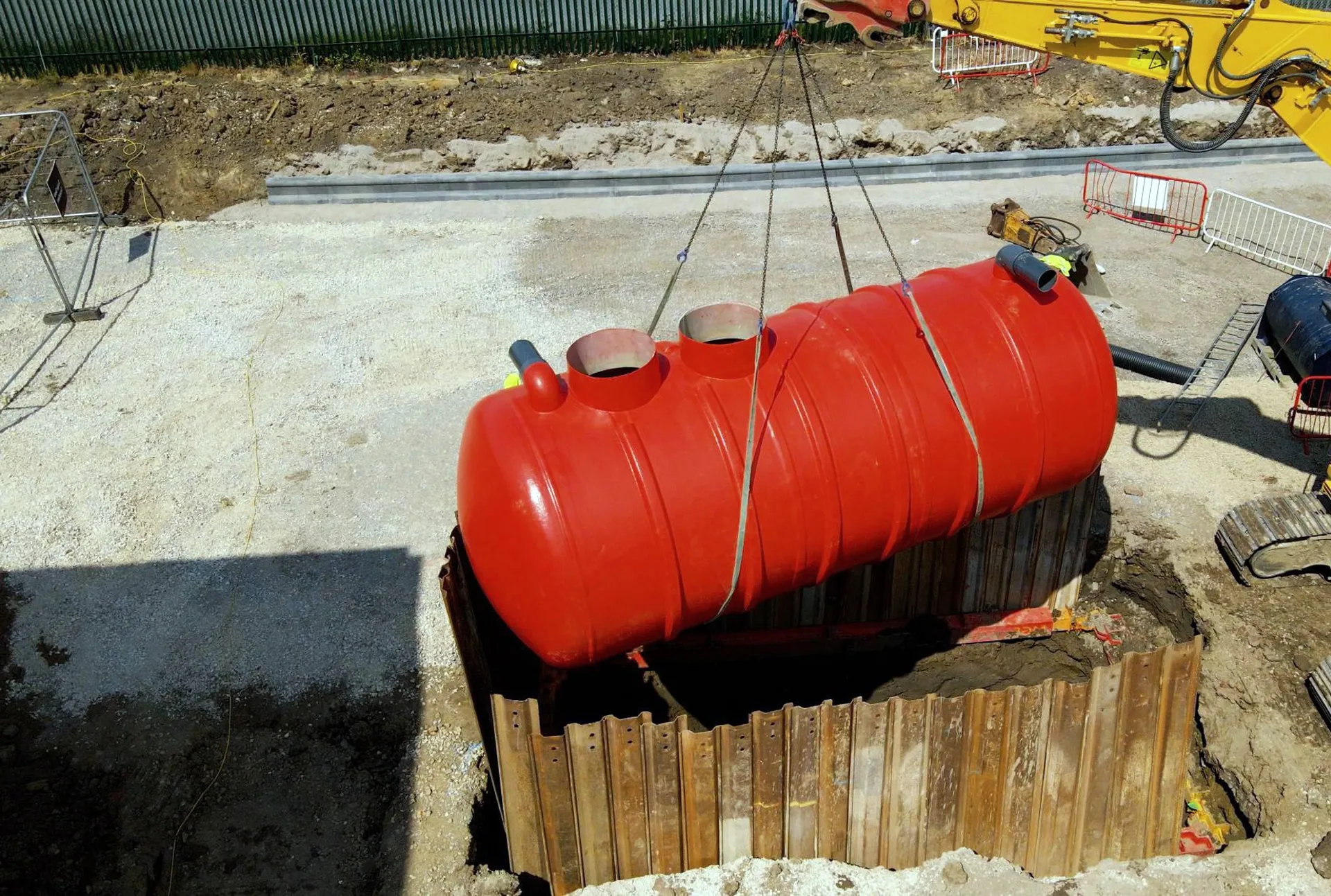
PKB Civils is a commercial drainage contractor for industrial and trade yards in Birmingham, laying channels, gullies, separators and new connections to Severn Trent's sewers. Our own crews and plant come from Rochdale, vehicles keep moving round the work, and the first step is a free site survey. We don't work on house drains.
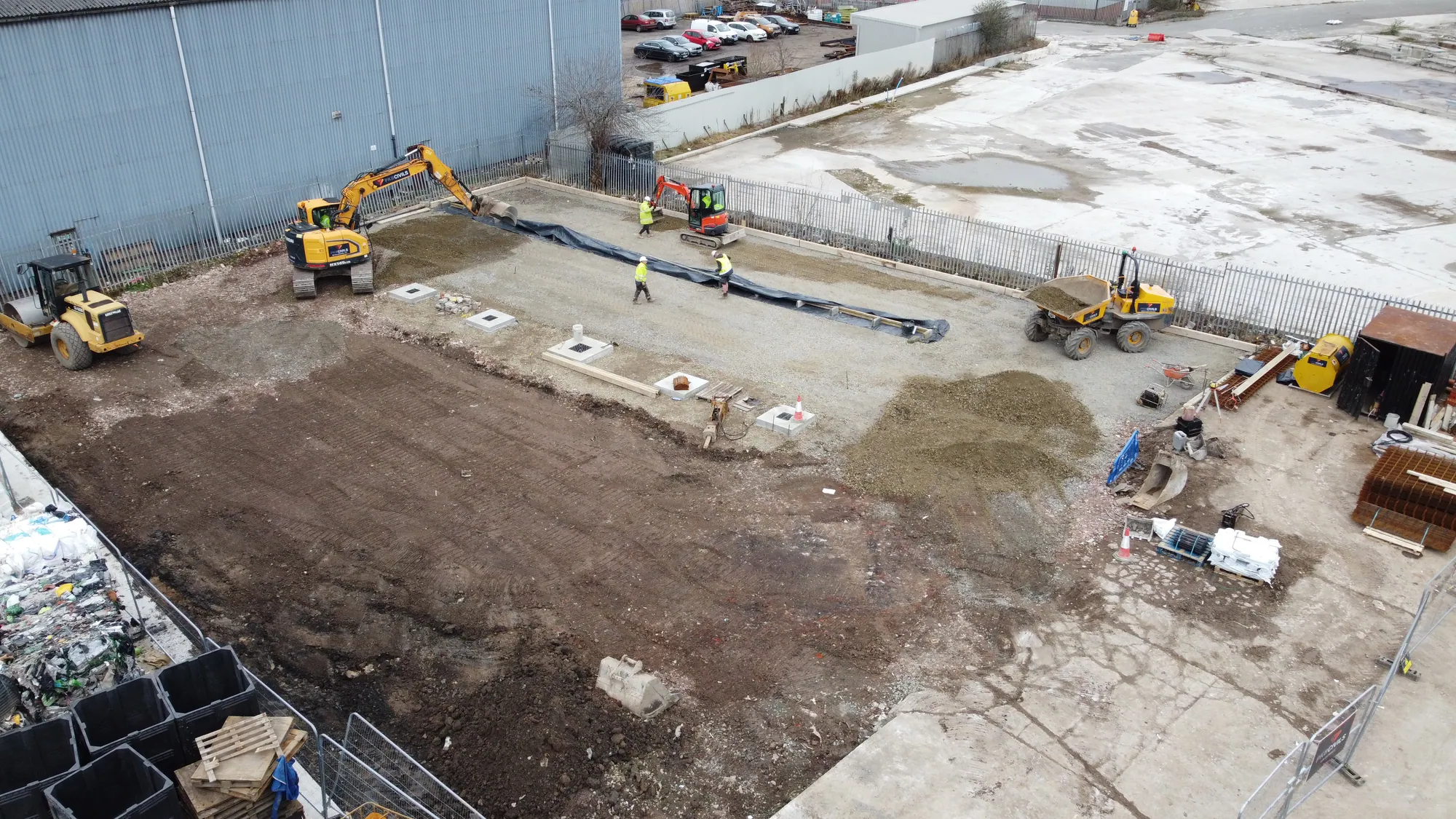
For distribution, manufacturing and trade sites in Birmingham with water standing at the loading doors, a separator nobody has checked in years, or new hardstanding to drain. Our crews lay the channels, rebuild the gullies, fit separators and attenuation, and relay any concrete broken out to reach a pipe, with the yard kept working round the job.
Severn Trent manages the city's sewers, and the flood risk register it supplied for the 2023 flood risk assessment lists 857 incidences of sewer flooding. If your yard already floods from the sewer side, tell us at the survey, because it changes where new drainage can discharge. Our drainage service runs from pumped systems to deep drainage runs.
Everything we can take on for you. Not sure which you need? Send your brief and we will tell you.
Separator tanks where HGVs, plant or fuel use the yard, ahead of the outfall to a Severn Trent sewer or a brook.
Send your briefChannels across dock aprons and lorry routes, laid to falls so water leaves the slab before it can work into the joints and the ground beneath.
Send your briefTanks or oversized pipes under new hardstanding, holding storm water back so the yard discharges at the greenfield rate where the council sets one.
Send your briefGullies that have sunk or cracked under HGV wheels rebuilt, and wash bay pits sized for the vehicles washed there, with the wash water going where Severn Trent's consent allows.
Send your briefConnections to Severn Trent's public sewers, dug and made by our crew, with the concrete over the trench relaid in the same programme.
Send your brief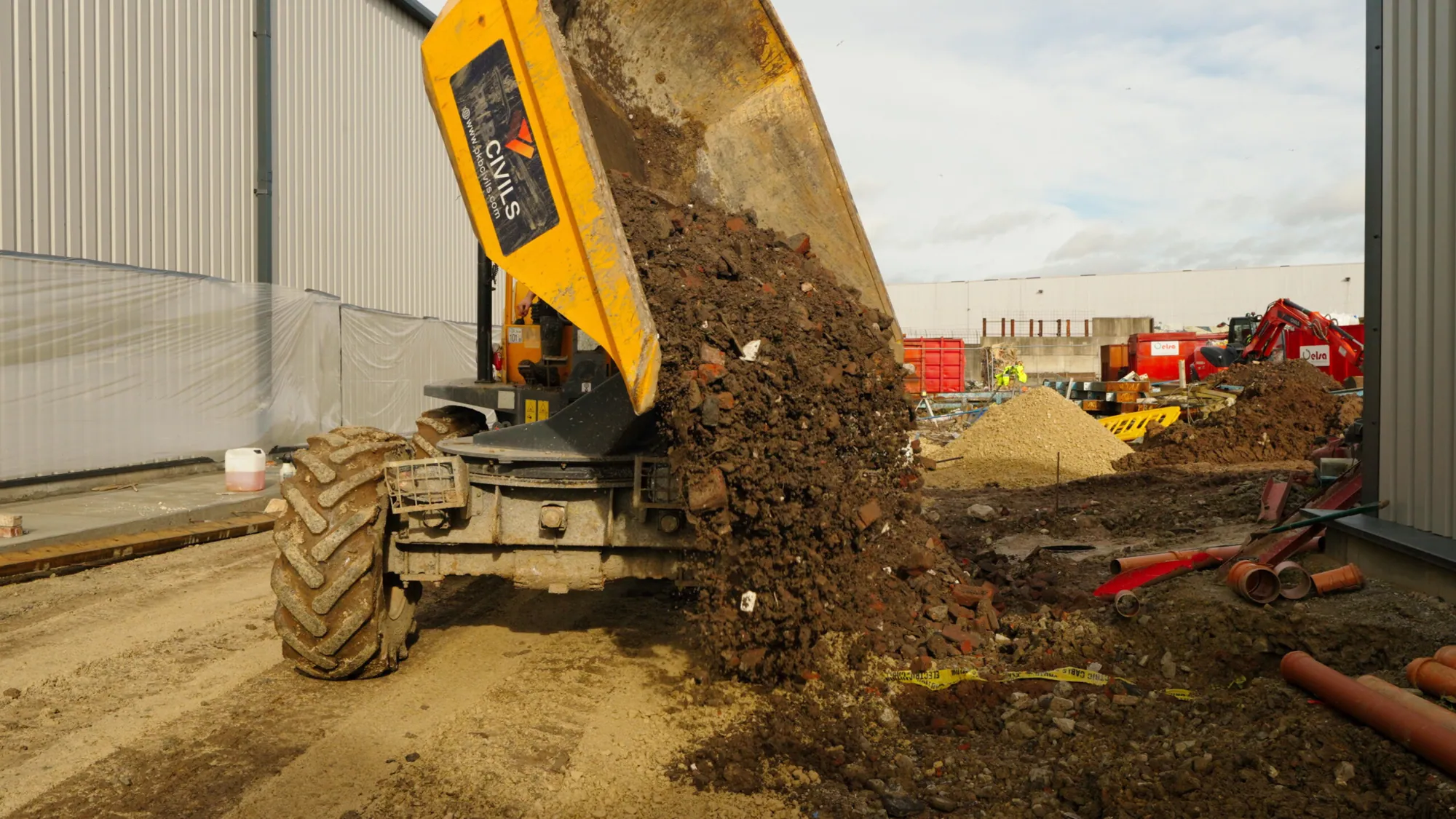
The same people survey, plan and build your job, and your site keeps running while we do it.
Send your briefWhere a development needs a flood risk or drainage assessment, Birmingham's 2017 plan asks for runoff to be treated at source, with more than one treatment stage where feasible, to cut diffuse pollution. On a yard where HGVs, plant or fuel move, we'd design a separator into the channels and the slab from the start.
Before a new Birmingham yard connects to the public sewer, we'd ask Severn Trent about capacity and have its approval in hand before our crew opens the main, because the city's sewers already have a record of flooding.
A wash bay or a pumped dig sends water Severn Trent counts as trade effluent. We'd check a wash bay's consent before it's rebuilt, and have the temporary authorisation for a dig in place before the pumps start.
Ben puts it plainly in his article on drainage and yard concrete: “What is rarely specified with the same rigour is the drainage that keeps water away from that slab and the sub-base beneath it.”
Send us a short brief and a few photos. If it's a good fit, we'll arrange a free site survey and plan the work around how your site runs.
The policy points and slow faults that catch out working Birmingham yards.
Where TP6 applies, a new yard must discharge no faster than the site's greenfield rate for storms up to the 1 in 100 year event plus climate change, the 2017 plan says, so its runoff needs holding back under the slab.
TP6 also puts discharge to a combined sewer last in its drainage hierarchy. A drainage design that simply starts with the nearest sewer may have to be redone.
Channels rarely collapse overnight, Ben finds. They silt and crack over a year or more, and the water lying beside them lasts a little longer each winter until the slab starts to suffer.
A separator that's full, or sized for a quieter yard, lets oil through to the sewer or a brook. Emptying it on a schedule, and sizing any replacement for the yard as it's used now, keeps it working.
The jobs closest to Birmingham, with this kind of work first.
Feedback from the people who run these sites, shown with the job we did for them.
Everything was prepared when we arrived and the school was kept running throughout. Really pleased with how it went and look forward to working with you again
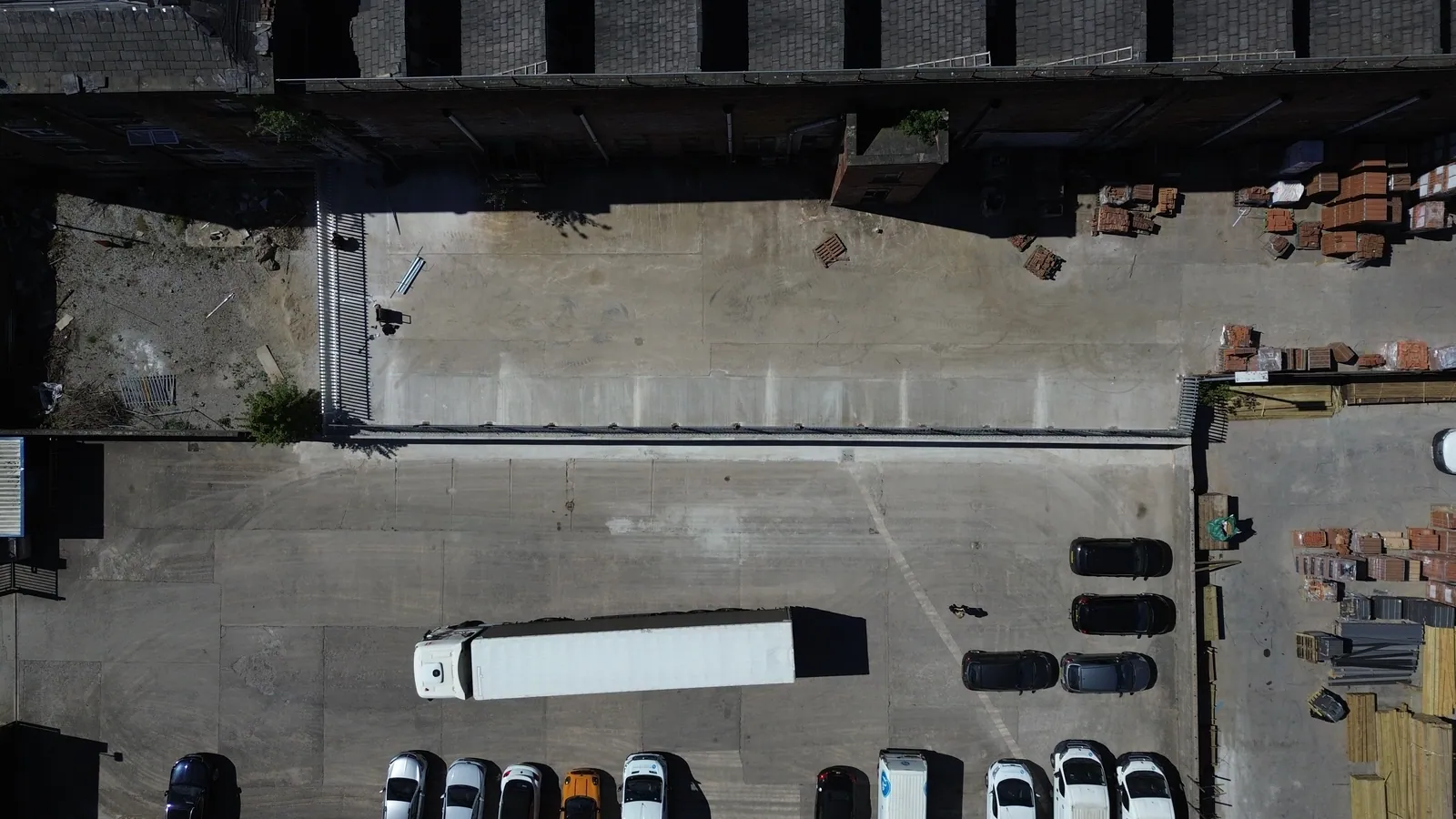
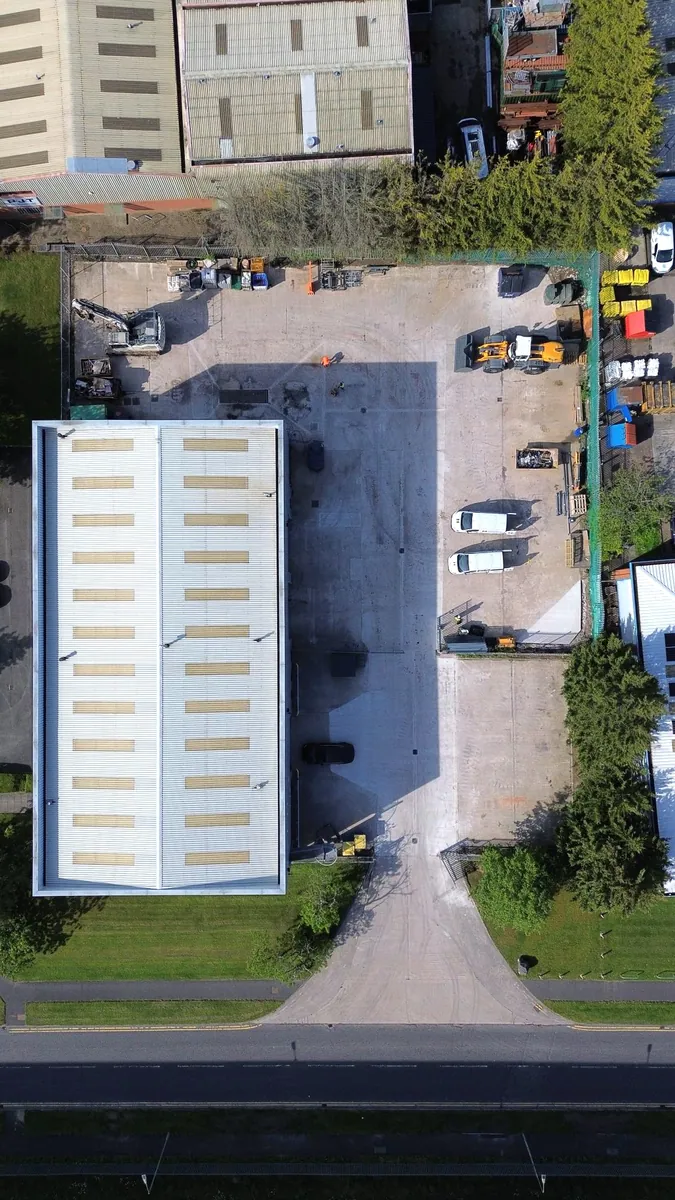
Really impressed with your team and how you kept the yard open, the new works look fantastic. Brilliant job.


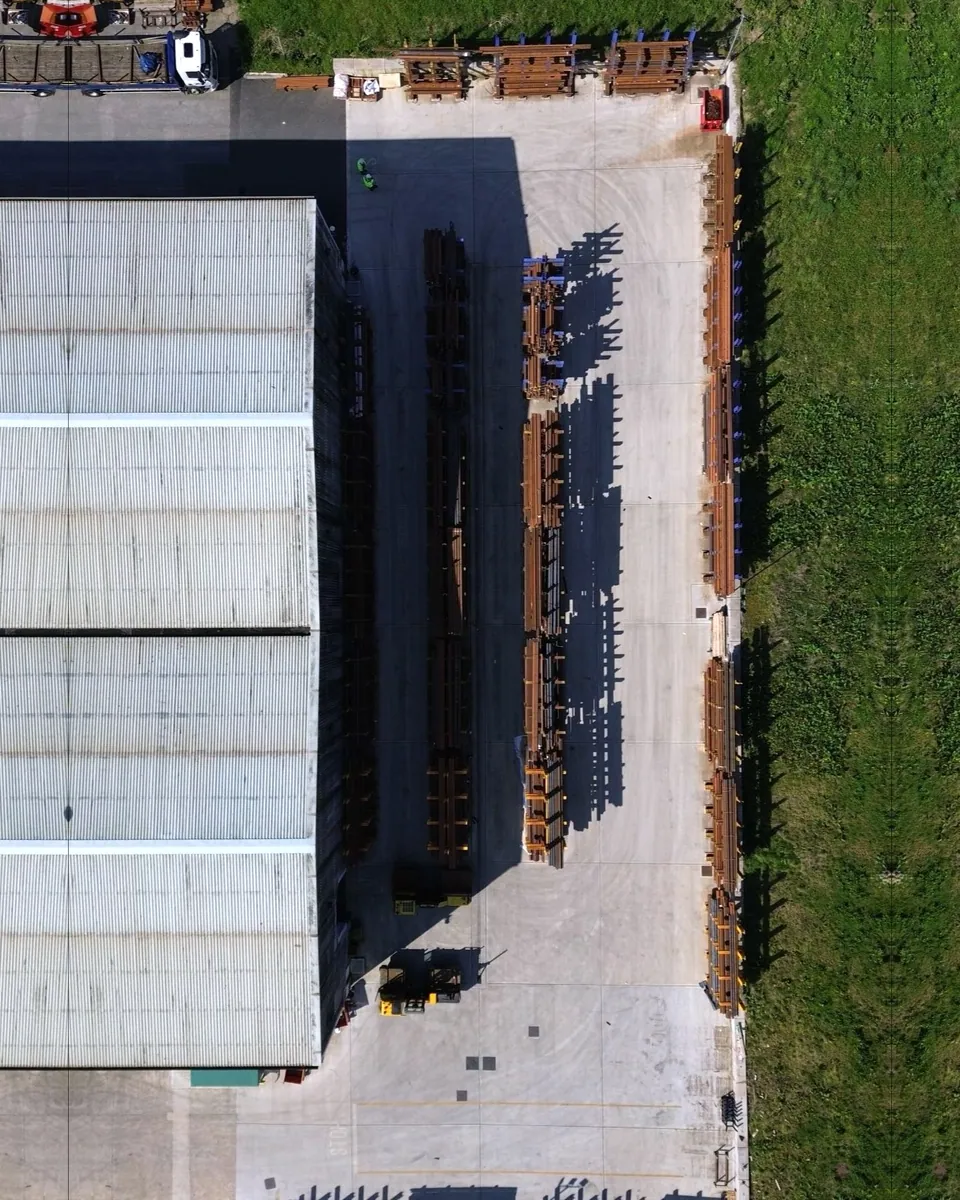
Really happy with the result. Your team were great to have on site and we were trading throughout which was important. Thank you.

The city's main sources of river flood risk are the Tame, the Rea and the Cole, according to the 2023 assessment. Several of the stretches it rates most sensitive to climate change are industrial: the Tame at Hamstead Industrial Estate, Perry Barr, the Gravelly Park industrial site and Minworth Sewage Treatment Works, Hockley Brook between Aston and Nechells, and the lower Rea through Saltley. Where a yard drains to one of those rivers or brooks, that is worth knowing before the outfall is designed.
On the Tame, the Environment Agency finished the Forge Mill flood storage reservoir in Sandwell Valley in June 2023. It holds up to 1.7 million cubic metres of floodwater and better protects more than 1,400 properties in Perry Barr and Witton, alongside earlier walls and gates that run from Brookvale Road in Witton down to Gravelly Park Industrial Estate in Aston.
For a yard, that means two kinds of water. Rain falling on the slab is the drainage's job, and it has to leave at a rate the outfall can take. River water over the bank is a different problem: channels and gullies can't hold it back, so on low ground near the Tame or the brooks, levels, where the separator sits and a flood plan matter more than pipe size.
Not every wet Birmingham yard needs new drainage. A silted channel or a gully full of grit may only need jetting, with a camera survey to show whether the pipes beyond are sound before anything is broken out. Water that has cleared within an hour or two of a shower isn't a fault, in Ben's view; water still lying hours afterwards is, and a condition survey tells the two apart.
Where the whole yard surface is breaking up, new drainage alone won't save it. The slab work is on concrete yards in Birmingham, and on a failing yard the two are often best done together.
Postcode districts in Birmingham and the West Midlands where we've delivered: B6, B66, B98.
See them on the map
Can't see your question? Call us or send your brief and we'll come back to you.
Send your briefIf the wash water goes to the public sewer, yes. Severn Trent treats anything other than domestic sewage and clean surface or roof water as trade effluent, and names water from washing down and cooling. Discharging it without consent is a criminal offence under the Water Industry Act. Severn Trent keeps a register of trade effluent consents open to public inspection, with an online version, so check yours before a wash bay is rebuilt or moved.
Both sit on stretches of the Tame that the city's 2023 flood risk assessment rates among the most sensitive to climate change. Gravelly Park is at the downstream end of the Environment Agency's walls and gates from Witton. For a yard at either, the drainage is laid out with the river in mind, with outfalls that river water can't back up through, and the site's own flood plan matters as much as its pipes.
Yes. Policy TP6 of the 2017 development plan requires a Sustainable Drainage Assessment and an Operation and Maintenance Plan for all major developments, and national planning guidance says the lead local flood authority must be consulted on surface water drainage for major development. The plan matters after handover too: Ben's experience is that well-designed drainage still stops working if nobody maintains it, usually without any obvious moment of failure.
Possibly. Under Policy TP6, discharge into the ground comes second in the drainage hierarchy, after storing rainwater for later use, so it's considered before a watercourse or any sewer. Whether the ground will take it is a site question: an infiltration test on site shows how fast water soaks away. On a yard carrying fuel or plant, the runoff goes through a separator before it reaches the ground.
Businesses only. We work on commercial and industrial sites: yard channels, gullies, separators, attenuation and sewer connections for factories, warehouses, depots and trade yards. For a blocked drain at home, a domestic drainage company is the right call. If the drain is on a yard or a working site anywhere in Birmingham, send us a short brief and a few photos.

Ben has over 10 years of experience in contracting management, specialising in pre-construction with some of the UK's largest contractors. Ben now leads pre-construction, project planning and client engagement.
Tell us what's happening on site. We'll review your brief and, if it's a good fit, arrange a free site survey.