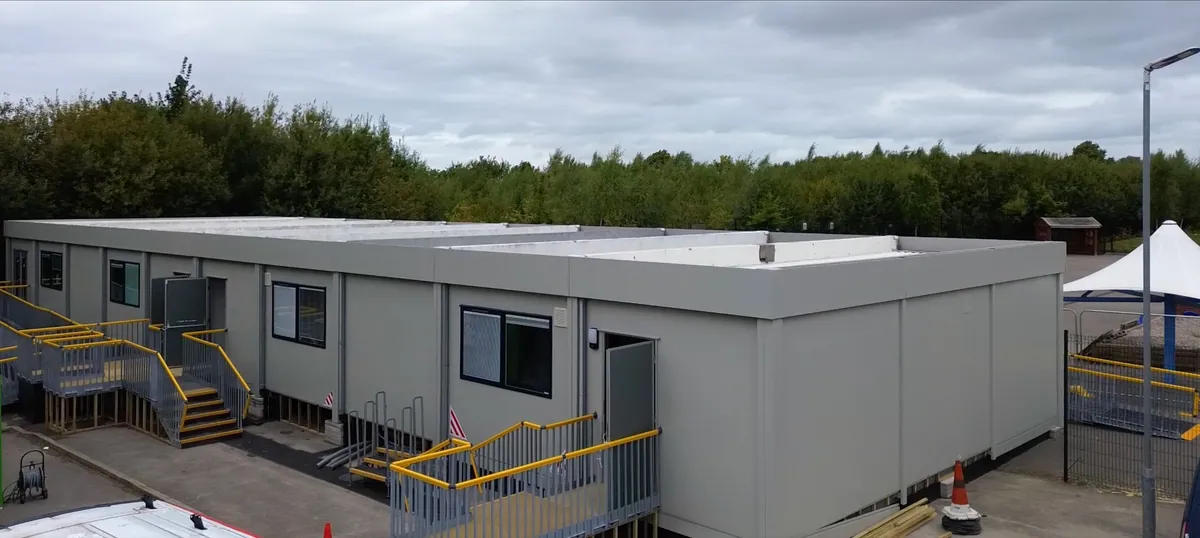
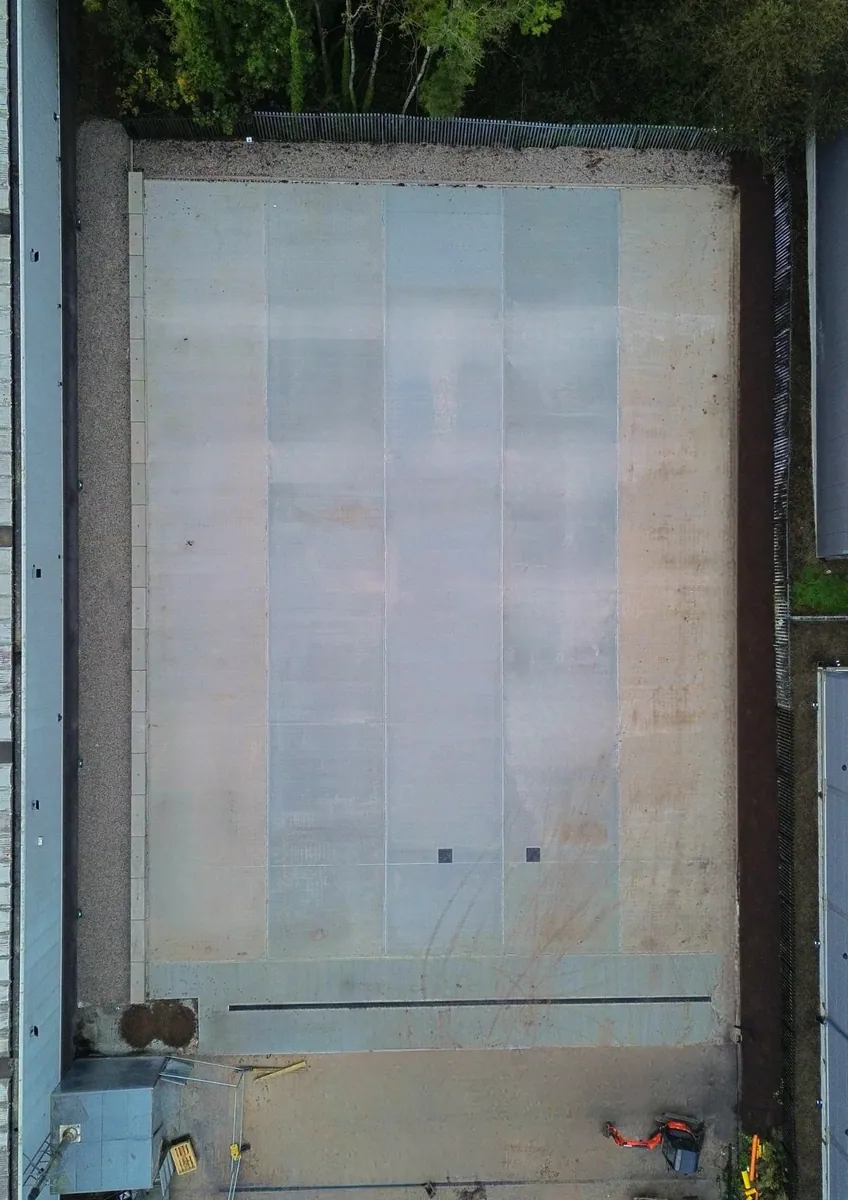
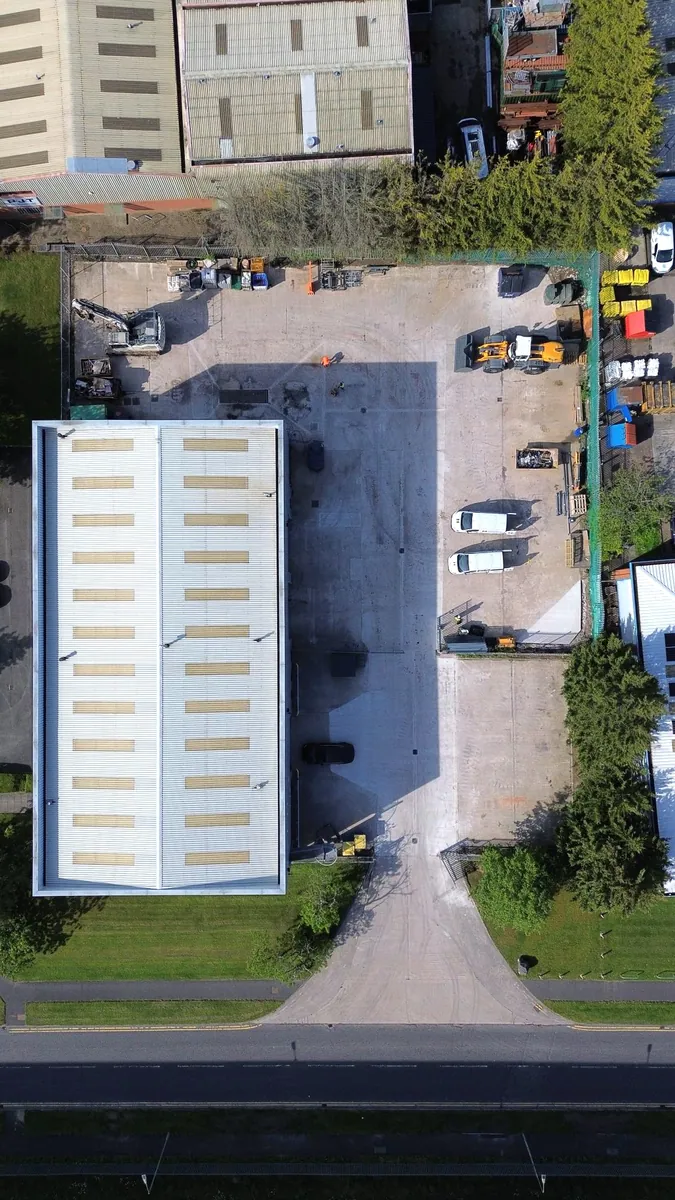
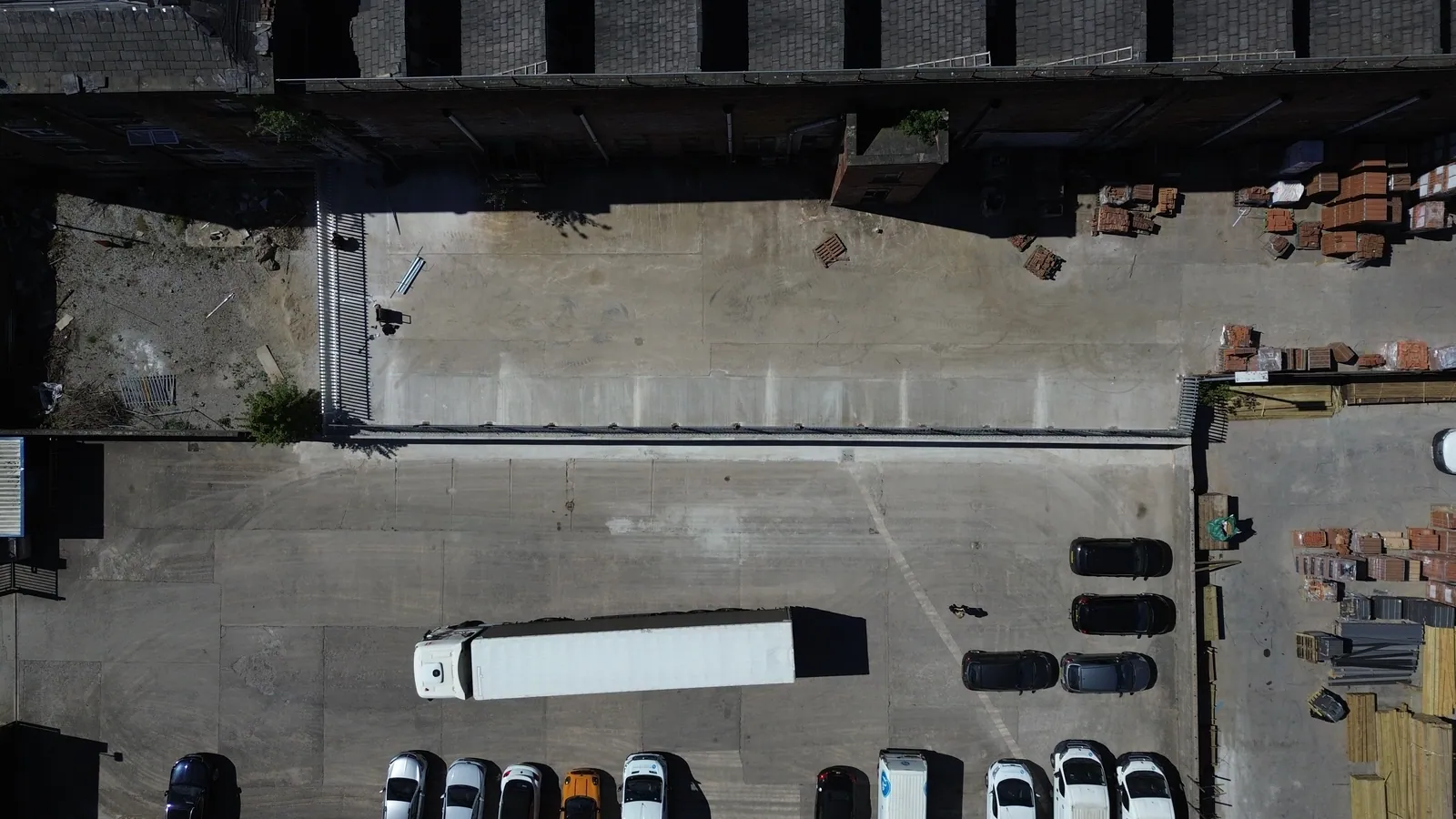
Really impressed with your team and how you kept the yard open, the new works look fantastic. Brilliant job.

Yard extension and retaining wallBolton, Builders merchantsSee the job

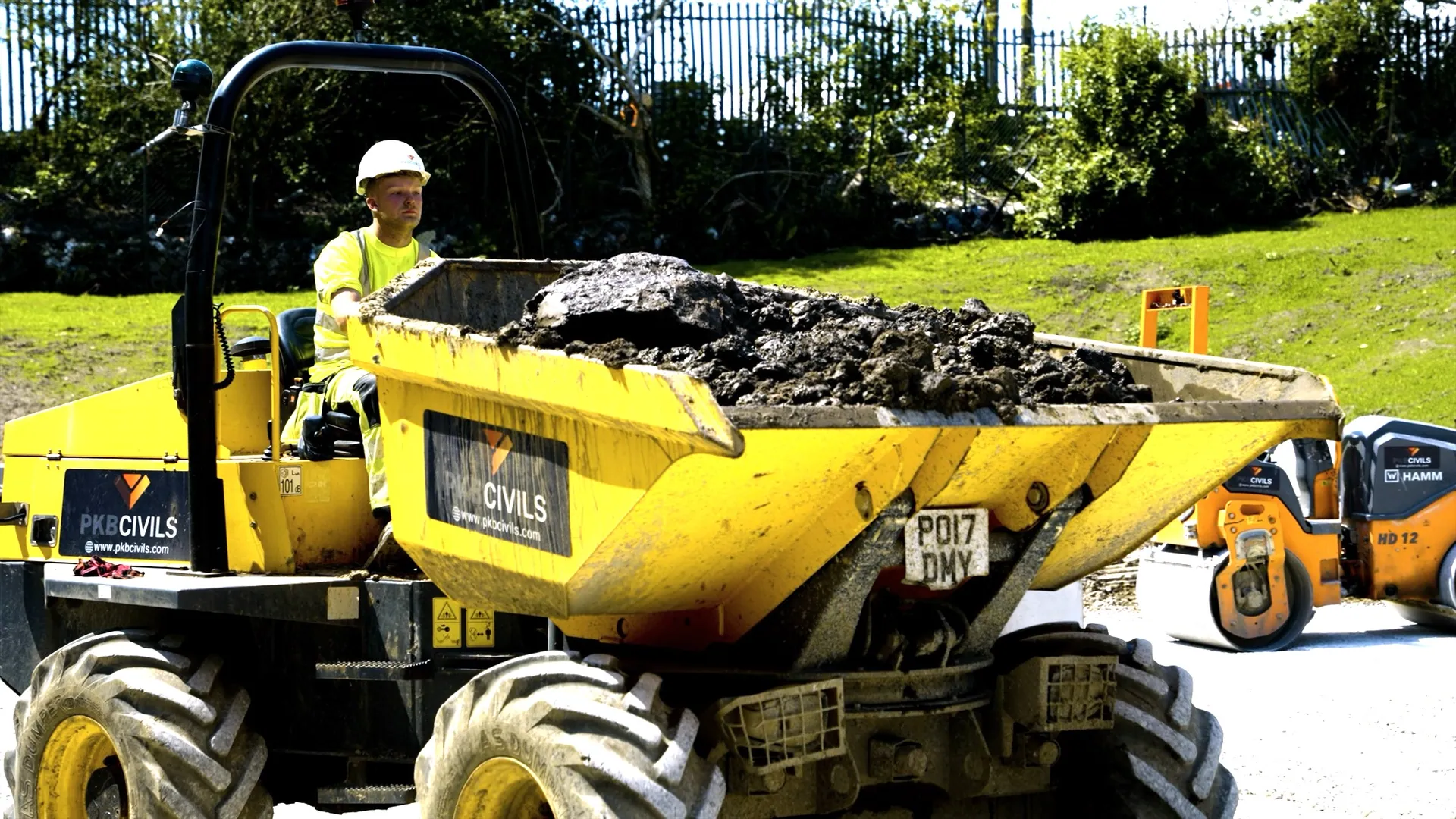
PKB Civils carries out earthworks for commercial and industrial sites in Birmingham, where a dig can turn up made ground in the Tame and Rea valleys or sit above solvent-contaminated groundwater. We dig, fill and level with our crews and plant from Rochdale, sort and test the spoil before it moves, and keep the site working round us.
When a Birmingham plot is levelled for a new yard or building, or an old yard is dug out to rebuild it, the spoil usually sets the cost. Whether it can go back in depends on what it is, and on old industrial land that means testing it first. We dig, cut and fill and compact with our crews and plant, and plan the spoil before the first lorry is booked.
Along the Tame and the Rea that spoil is often made ground, and under central Birmingham's industrial areas the groundwater beneath it may carry solvents. Our earthworks service covers bulk digs, levelling, stabilisation and muck-away.
Everything we can take on for you. Not sure which you need? Send your brief and we will tell you.
Plots and old yards dug down to the formation a new slab needs, with the arisings sorted as they come out so natural clay stays apart from made ground.
Send your briefMudstone moved and placed as fill in thin compacted layers, at a moisture it will carry load at, and left alone when it's too wet to work.
Send your briefFormation trimmed to the levels and falls the drainage and concrete need, and covered before rain can reach it.
Send your briefTopsoil and subsoil brought in as clean cover on a contaminated site, sampled and tested independently at the rate the council's guidance sets.
Send your briefSpoil from old valley and industrial sites classified before it leaves, so each load goes to a tip that will take it.
Send your brief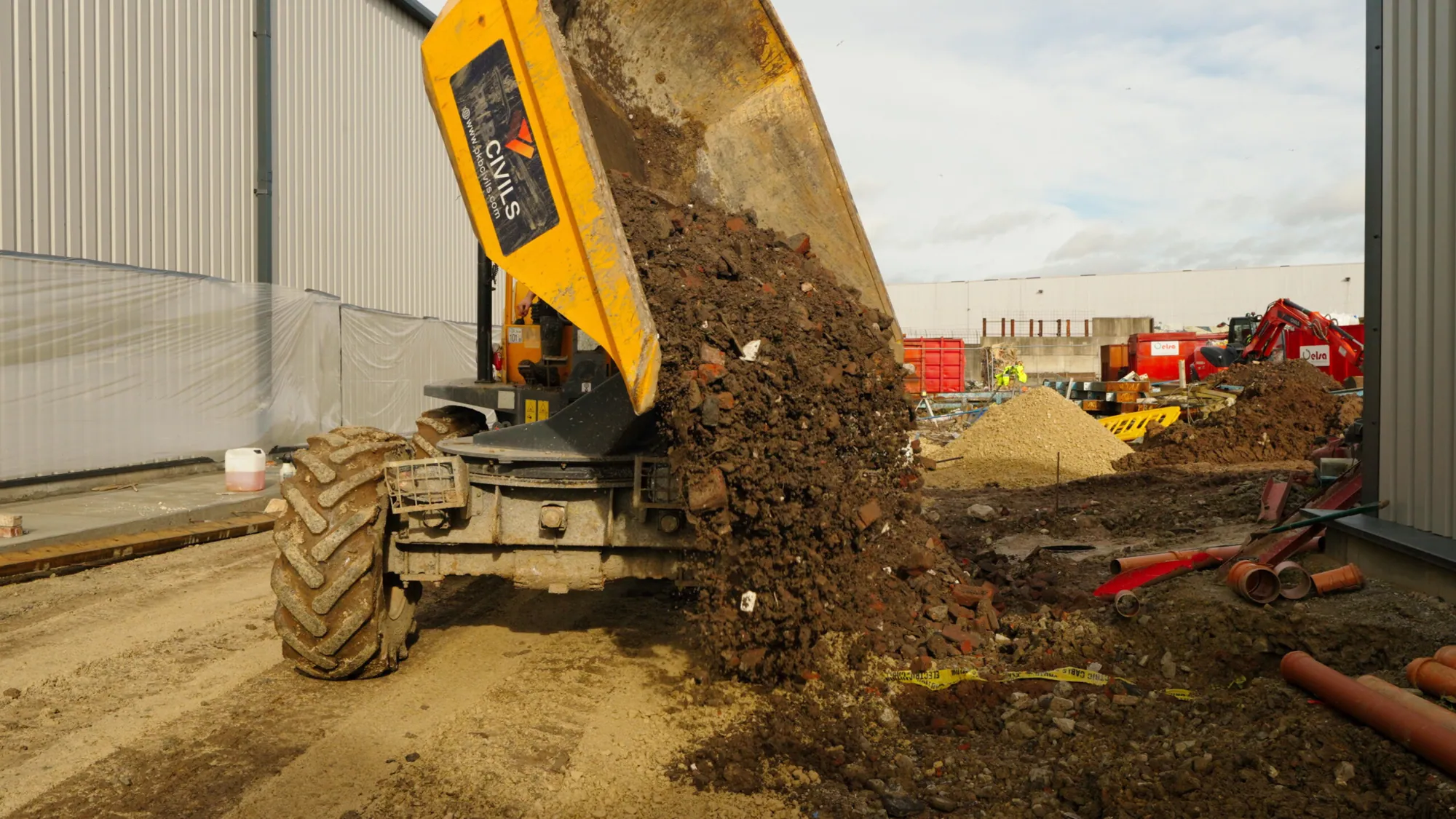
The same people survey, plan and build your job, and your site keeps running while we do it.
Send your briefOn fill in the Tame and Rea valleys, we'd dig natural clay and made ground into separate stockpiles and sample the made ground before any muck-away is booked, so a load isn't turned away at the tip.
Spoil that passes its tests can stay on site as fill. We did that for a springs manufacturer in Rochdale, compacting the dug material into a pit inside the site, and on a Birmingham job the same goes for mudstone dry enough to compact.
Over the contaminated sandstone under central Birmingham's industrial areas, we'd test groundwater pumped from a dig before it goes anywhere, and have Severn Trent's temporary authorisation, covered on drainage in Birmingham, in hand before it reaches a sewer.
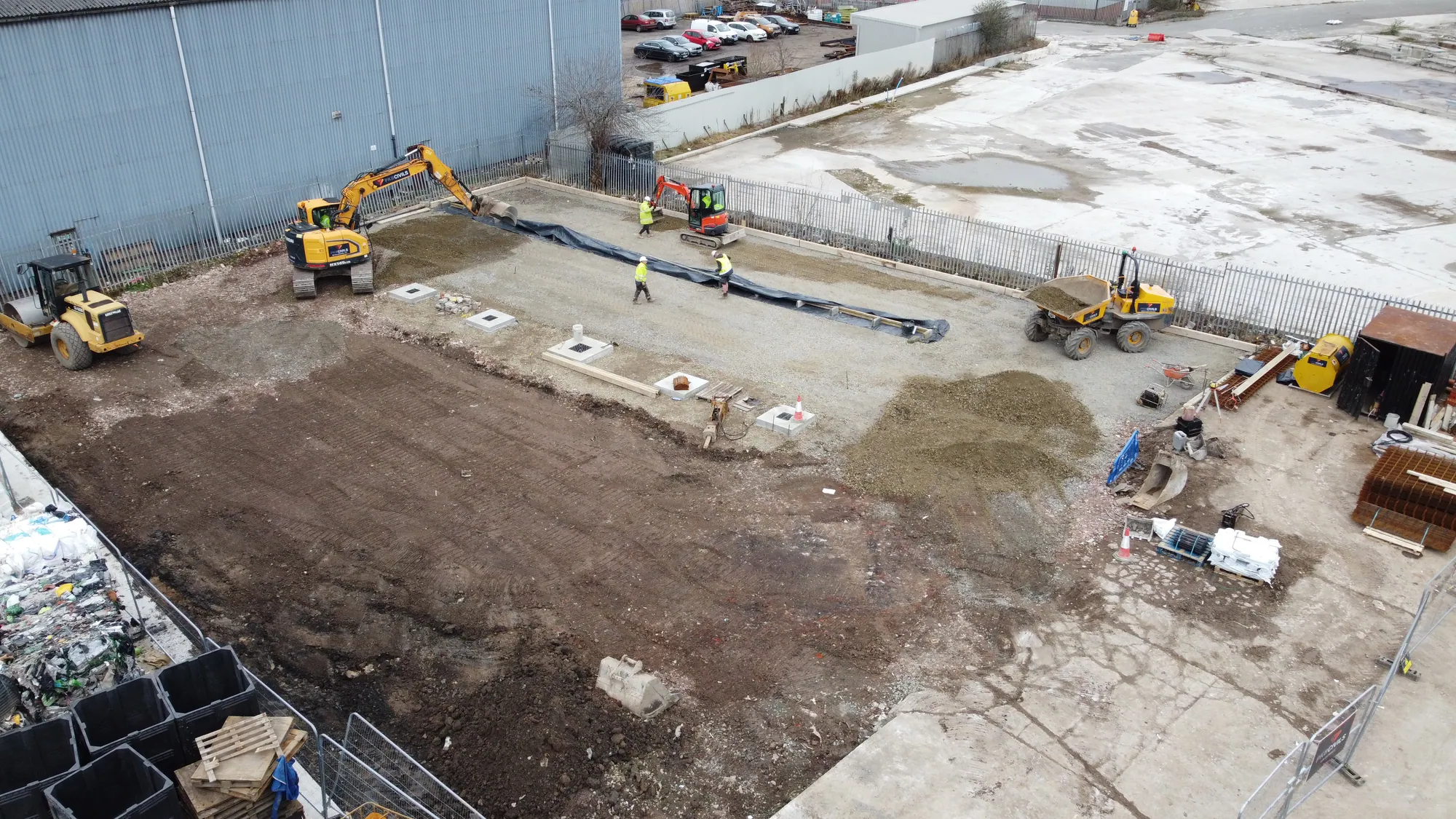
Ben treats a working yard as load-bearing infrastructure, and a base carrying HGVs has to be level and even in thickness, so the formation is trimmed to the design levels before the sub-base goes down.
Send us a short brief and a few photos. If it's a good fit, we'll arrange a free site survey and plan the work around how your site runs.
Ground and spoil that alter an earthworks job in the city, and where each is recorded.
On the Tame and Rea floodplains fill can run far deeper than a shallow investigation reaches, so if the fill has to come out, the volume to dig and remove can grow fast. Deeper probing before the price is fixed avoids the surprise.
Colliery spoil may combust spontaneously, the BGS warns, so a dig through it is planned, and the spoil handled with care, before the machine arrives.
The memoir also flags possible significant contamination at former collieries and at old gas, chemical and sewage works, so spoil from those sites is classified before a single load leaves.
With an MCV below seven, Mercia Mudstone tends to give very poor trafficability, the BGS report notes, so a wet spell can stop the dumpers well before the dig is done, whatever the excavator can still reach.
The jobs closest to Birmingham, with this kind of work first.
Feedback from the people who run these sites, shown with the job we did for them.
Really impressed with your team and how you kept the yard open, the new works look fantastic. Brilliant job.
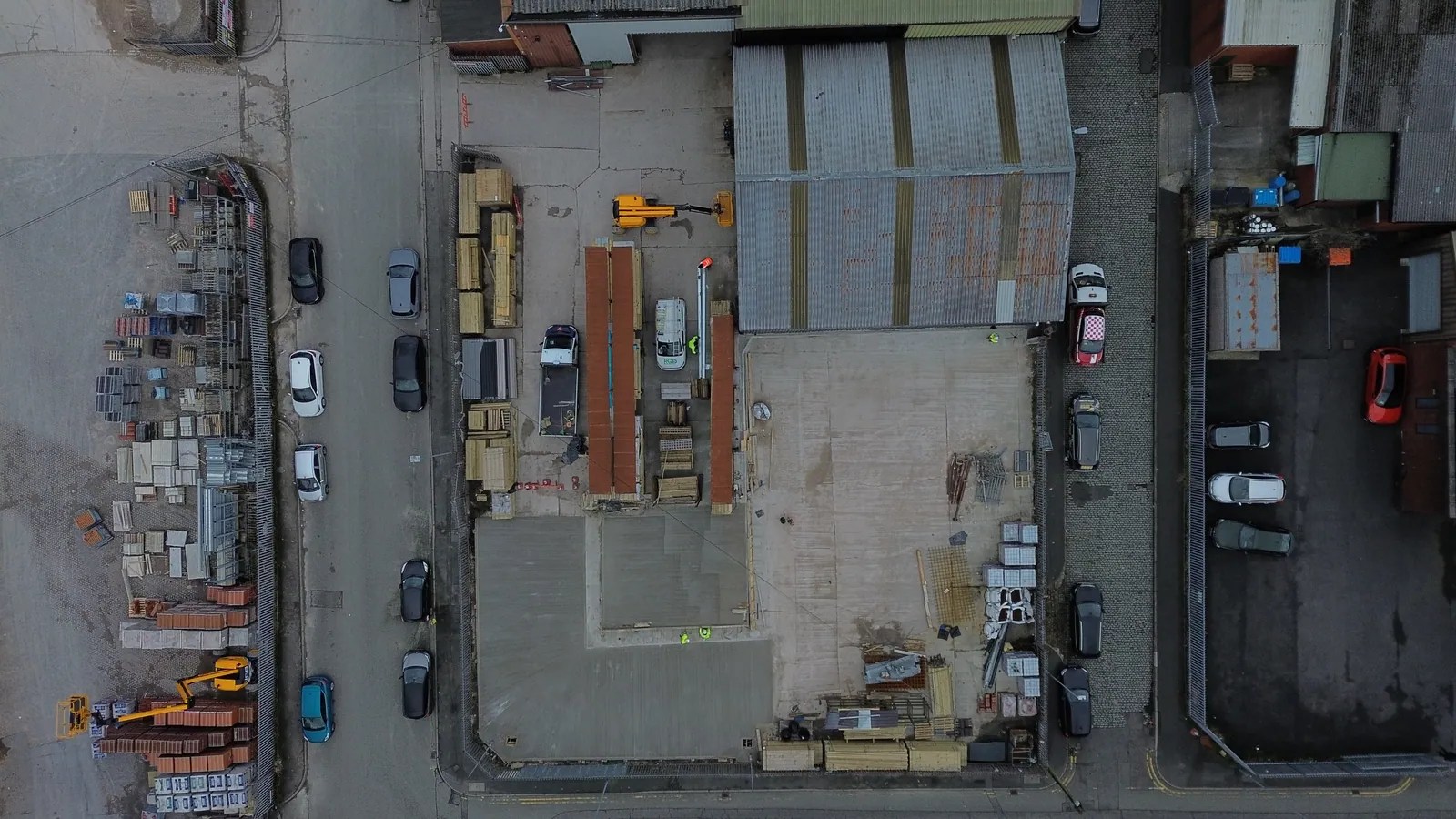
Really happy with the result. Your team were great to have on site and we were trading throughout which was important. Thank you.

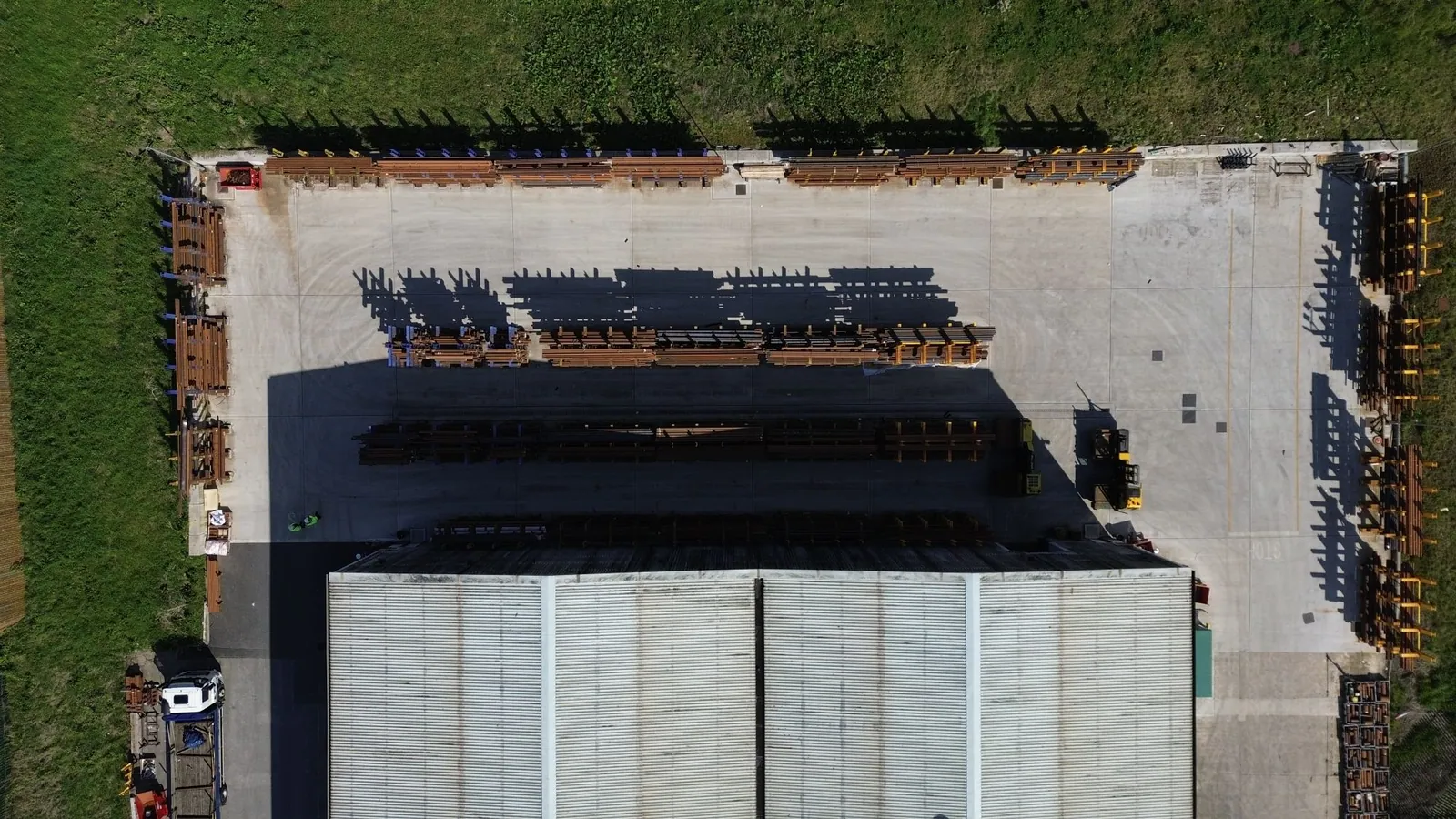
Thanks so much to the team, great work as always. The yard is already making a difference to how we move around site.

On Birmingham's valley sites the first thing a dig meets is often fill. The BGS memoir records made ground over large areas of the Tame and Rea valleys, from flood defences, culverting and building, with fill found as deep as twenty metres. Towards the Black Country, man-made deposits are extensive and colliery spoil is the most widespread fill. That made ground may hold alternating granular and clay layers with small perched water tables, so a dig through it can meet water well above the true groundwater level.
Under central Birmingham's industrial areas the sandstone aquifer is contaminated, largely by TCE and to a lesser extent TCA, solvents once widely used to clean metal. The memoir found it worst where the drift above was thin or permeable and expected it to persist for many decades. That matters for any earthworks job in those areas.
Where the dig reaches natural mudstone, the spoil has an affinity for moisture as fill, the BGS engineering report says: in one test a compacted sample's CBR fell from 140 to 17% as the placement moisture rose from 8 to 15%. So mudstone spoil goes back in at the moisture it was tested at, or it stays out.
Where a contaminated Birmingham site has a planning condition on remediation, that condition sets what can be dug, stockpiled and reused, and the earthworks are planned to it. Sometimes the right advice is simply to wait: mudstone that's wet through after a winter won't compact properly, and drier weather or imported stone can cost less over the life of the yard.
A big cut and fill isn't always needed either. If a yard only needs its levels lifted, building up on the existing surface with tested stone can avoid a muck-away altogether, and where buildings or live services have to go before anything is dug, the job starts as enabling works.
Postcode districts in Birmingham and the West Midlands where we've delivered: B6, B66, B98.
See them on the map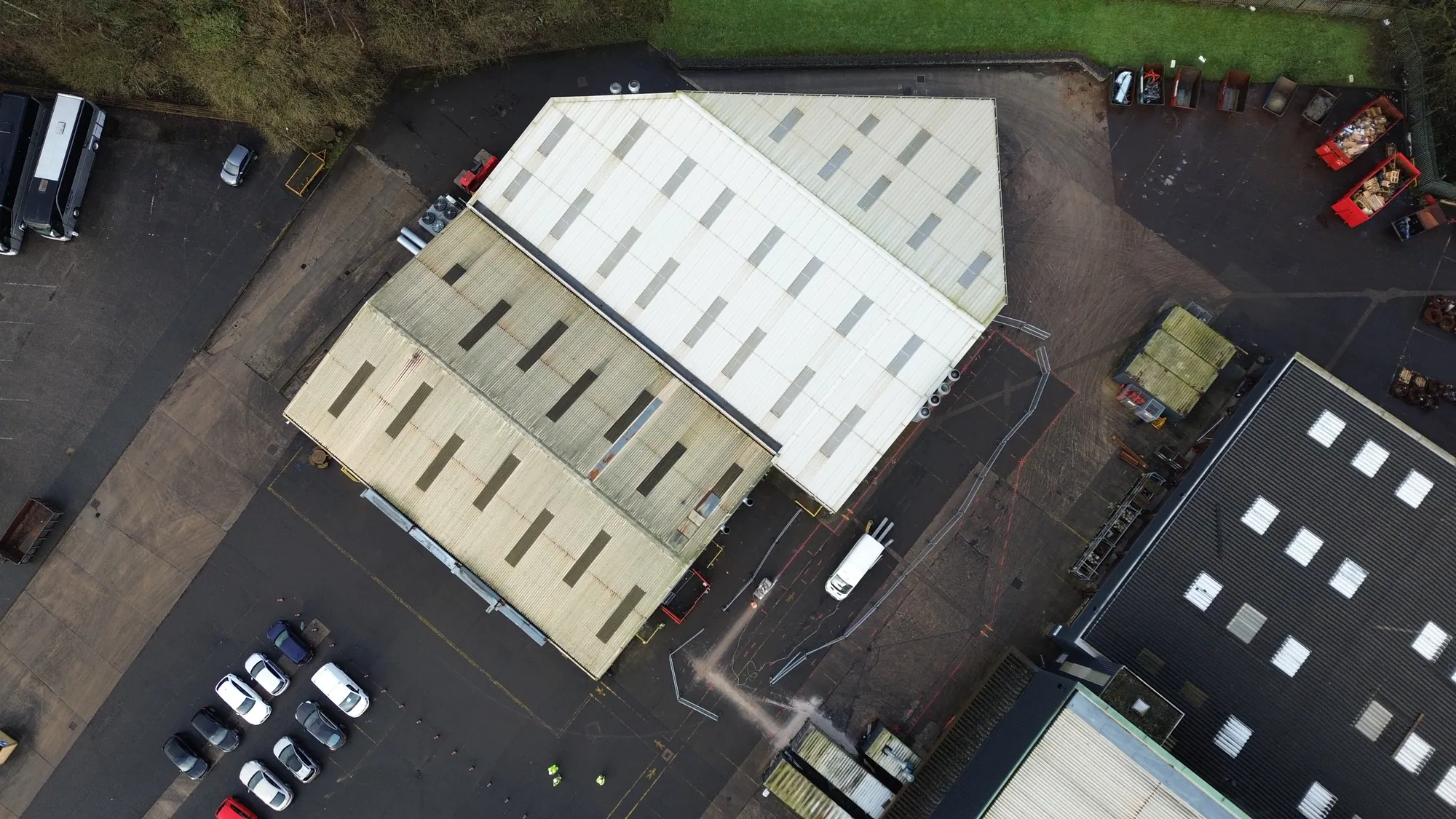
Can't see your question? Call us or send your brief and we'll come back to you.
Send your briefFor cover systems on contaminated development sites, Birmingham City Council's published guidance asks for imported topsoil and subsoil to be sampled and tested independently, without relying on the supplier's certificates, at 1 sample per 40 m3 for natural soils and 1 per 20 m3 for recycled, manufactured or unknown soils, with at least three samples either way.
Usually, as general cohesive fill. The BGS report says it usually meets Grade 2A or 2B, and the Birmingham memoir notes that fill slopes are usually engineered at 2:1 and that compaction difficulties have been reported. Too little compaction and the fill degrades over the years; too much and it loses strength. Placing it in thin layers at the right moisture, and testing as it goes, avoids both.
For now, England's Definition of Waste Code of Practice. The Environment Agency and CL:AIRE are working on a third version, to be published as The Soil Passport Scheme: Code of Practice, and the Environment Agency expects it to keep the mechanisms and scenarios that are there today. At its June 2026 update it hadn't appeared, so a Birmingham job reusing soil follows the current code.
It can, with more care. Water can soften Mercia Mudstone, and slaking usually follows repeated wetting and drying, the BGS report notes. So in a wet winter, cut faces and stockpiles are kept small, shaped to shed rain and covered where possible, fill is placed only when it's dry enough to compact, and haul roads are laid in stone. Lauren's article on yards and extreme weather covers the wet-weather side.
Often, if it's tested and suitable. HS2 did it at a very large scale at its Washwood Heath depot, where over one million cubic metres of earth were dug out, cleaned and reused to level the ground. On a yard job the same idea, on a far smaller scale, keeps suitable clay on site as fill and sends only what fails testing to the tip.

Ben has over 10 years of experience in contracting management, specialising in pre-construction with some of the UK's largest contractors. Ben now leads pre-construction, project planning and client engagement.
Tell us what's happening on site. We'll review your brief and, if it's a good fit, arrange a free site survey.