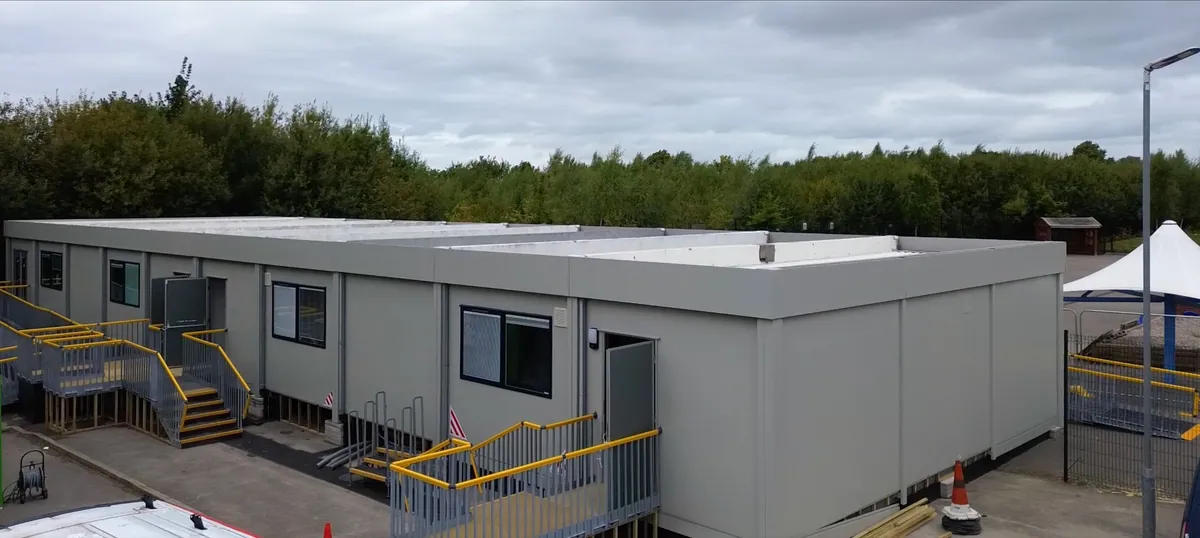
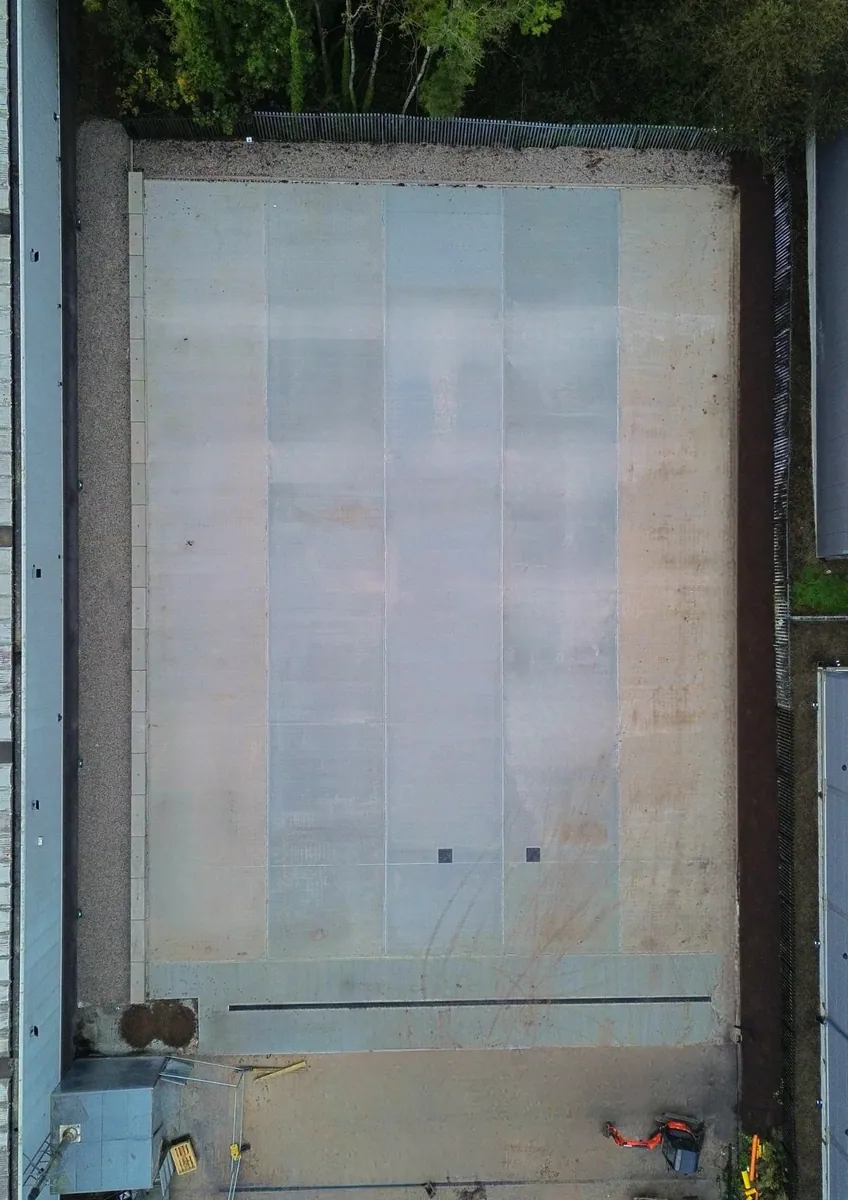
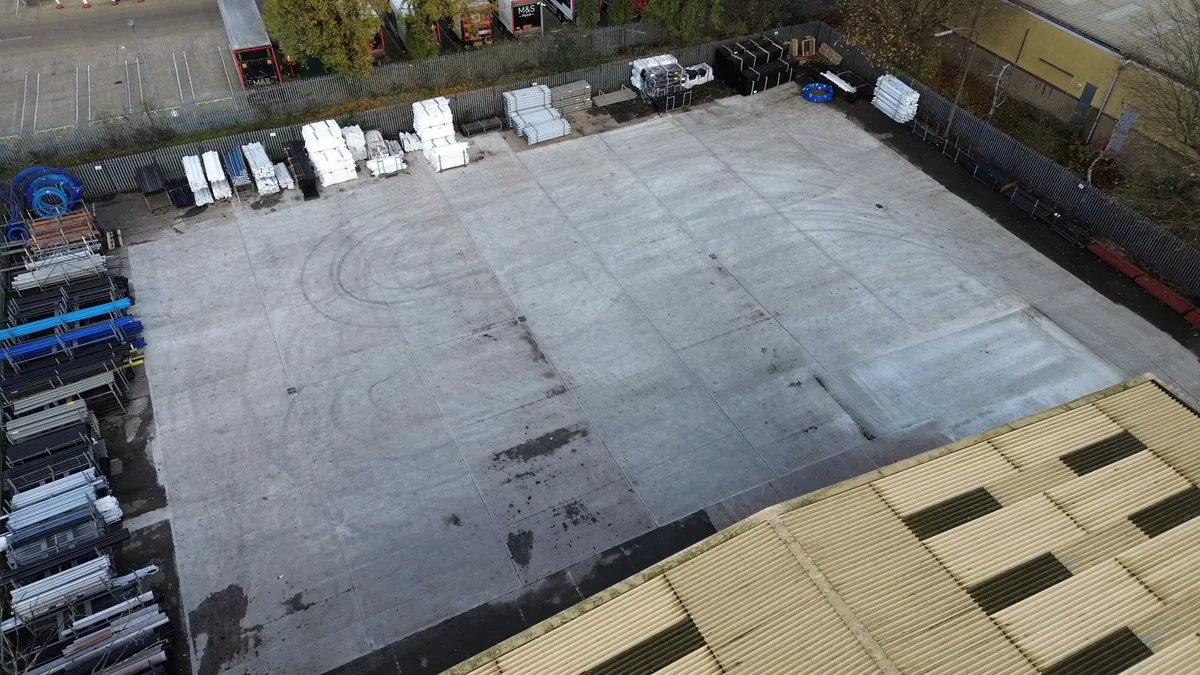
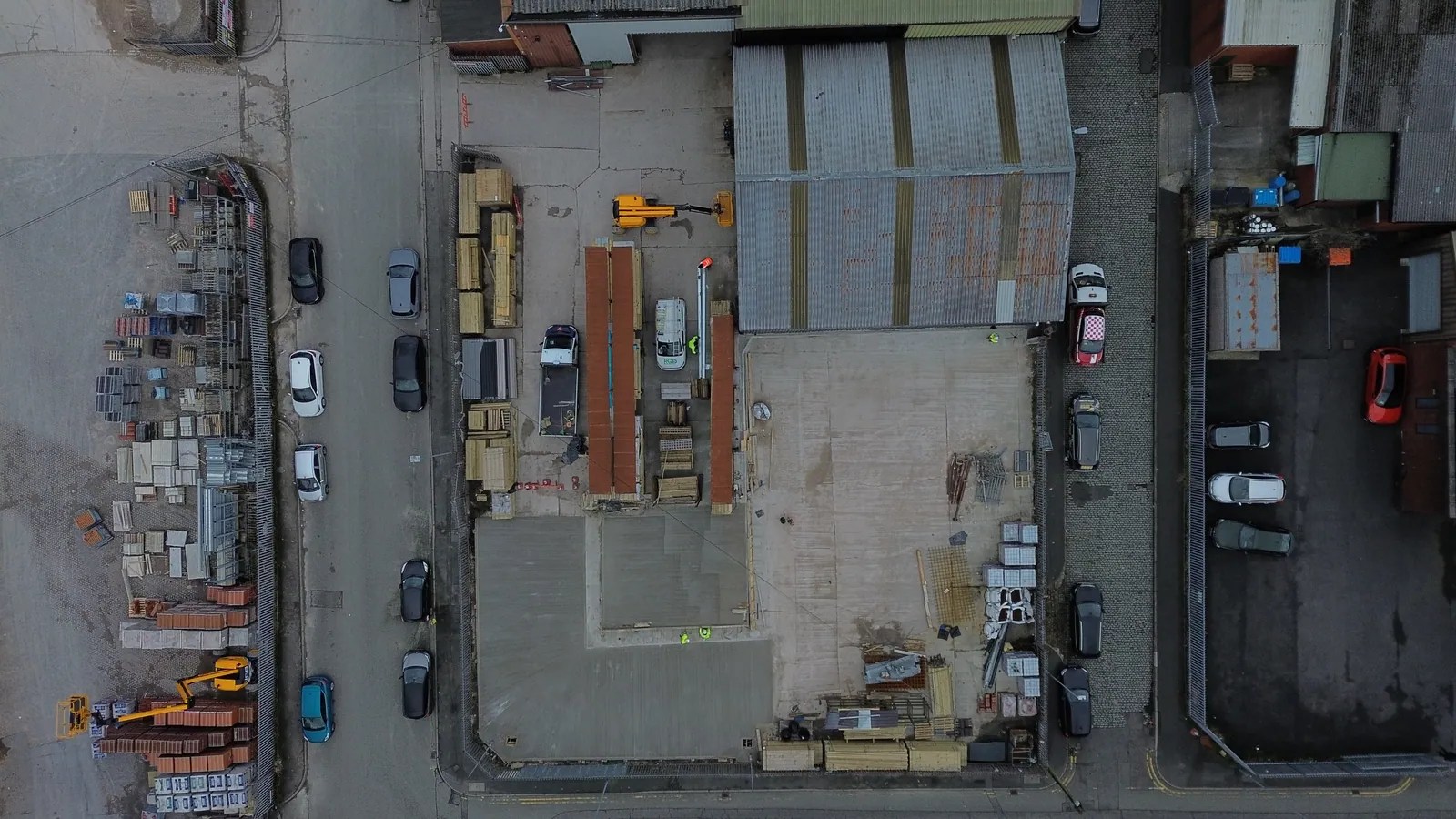
Really happy with the result. Your team were great to have on site and we were trading throughout which was important. Thank you.

Yard extension and retaining wallRochdale, Builders merchants, 3 weeksSee the job

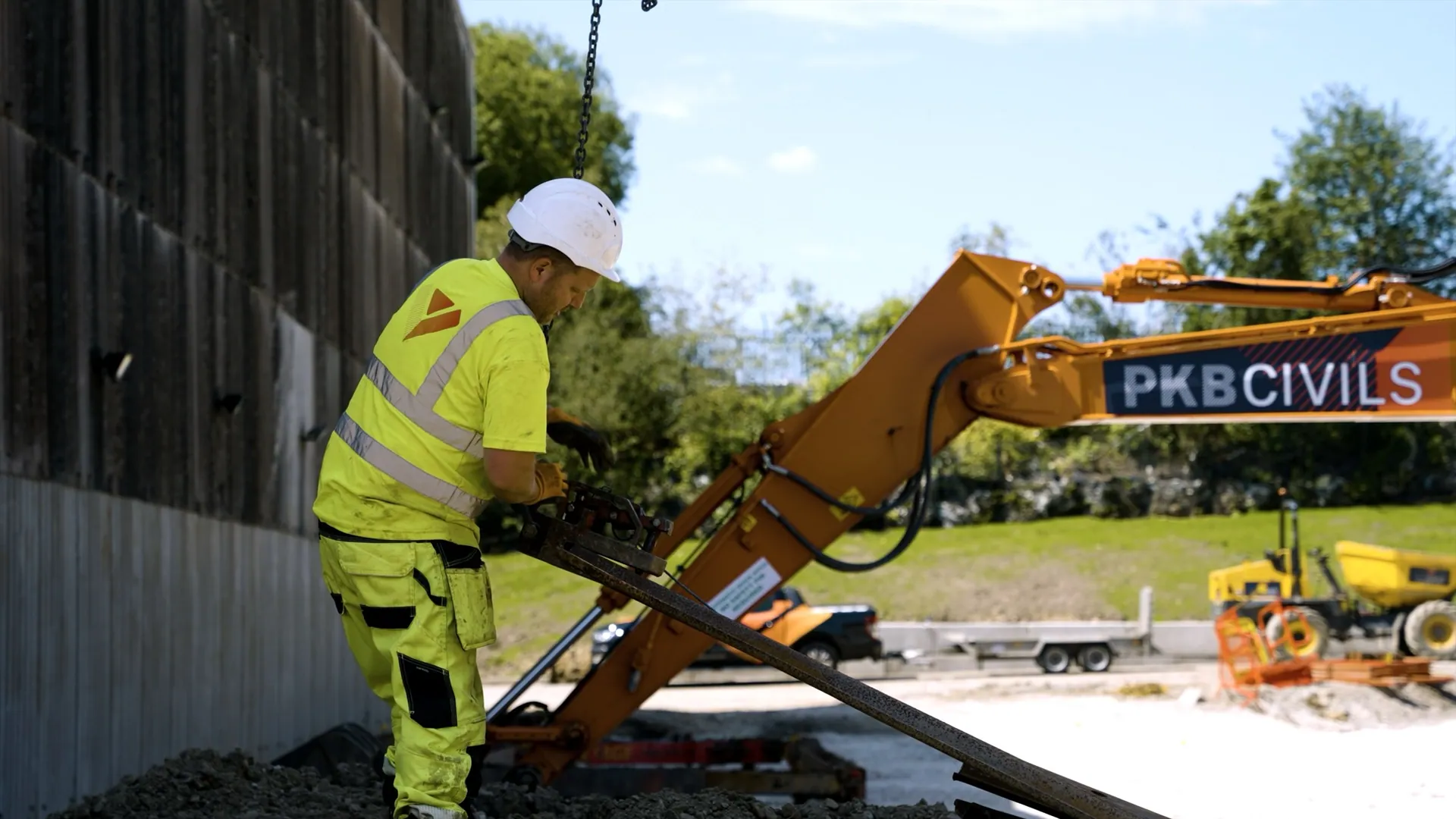
Coventry plots can hide the fill that raised the Sowe valley floodplain, or waste tipped into old pits, and PKB Civils carries out the earthworks that deal with both on commercial and industrial sites. Our own operators bring excavators, dumpers and rollers from Rochdale, and any doubtful spoil is sampled before it moves.
On an earthworks job the spoil often sets the budget. A Coventry plot might give up clean clay that can be placed again as fill, or made ground left by decades of tipping, which has to be sampled and classified first. Our own operators dig, haul, place and compact it with our own machines, and the plan for each kind of material is agreed with you before the dig starts.
Levels are the other half of the work, whether it's a reduce dig for a new yard or a platform for a new building, and on a consented scheme they may already be fixed. Our earthworks service covers digs, levelling and muck-away.
Everything we can take on for you. Not sure which you need? Send your brief and we will tell you.
Failed surfacing and the ground beneath taken down to the new formation level, with broken concrete, fill and natural clay heaped separately.
Send your briefHigh ground cut to fill the low, using spoil that has passed its tests, so less leaves by lorry and less has to be bought in.
Send your briefThe final surface of the dig shaped to the falls the drains and slab need, and surveyed before the sub-base goes on.
Send your briefPlots on consented schemes formed to the levels set in the planning approval, with the levels checked as the work goes.
Send your briefLorries booked once the spoil's test results are in, with each load matched to a site licensed for that material.
Send your briefOld slabs broken out and lifted before the dig begins, with the crushed concrete kept off the soil beneath it.
Send your brief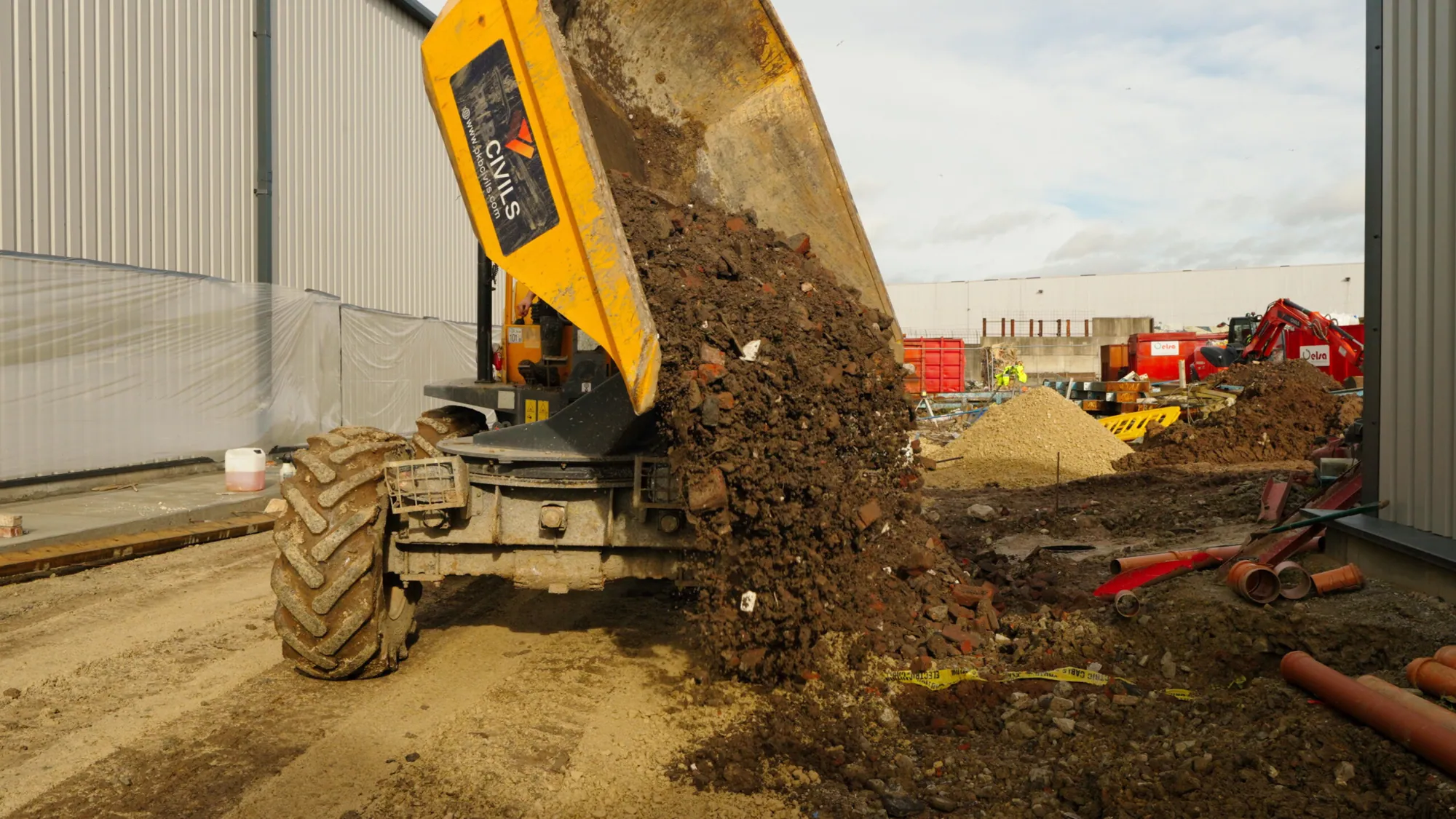
The same people survey, plan and build your job, and your site keeps running while we do it.
Send your briefBen leads our pre-construction and project planning. On a Coventry plot that means the volumes, the levels, the sampling and the haul route are worked out before the machines arrive, and the dig is timed round your busy periods and phased so the site keeps running.
Where a plot was industrial or sits near old tipping, samples are taken while the dig is planned, so a load isn't refused at the tip and the programme doesn't stop while results come back.
Ben's view is that a working yard is load-bearing infrastructure and deserves the upkeep that goes with it, so the formation we leave under a new Coventry yard is trimmed, compacted and checked like the base of any other structure.
Excavators, dumpers and rollers travel from Rochdale with the people who run them, so the operators compacting your fill are the ones answering for the levels, and a problem found in the dig is dealt with by people who can change the plan.
Send us a short brief and a few photos. If it's a good fit, we'll arrange a free site survey and plan the work around how your site runs.
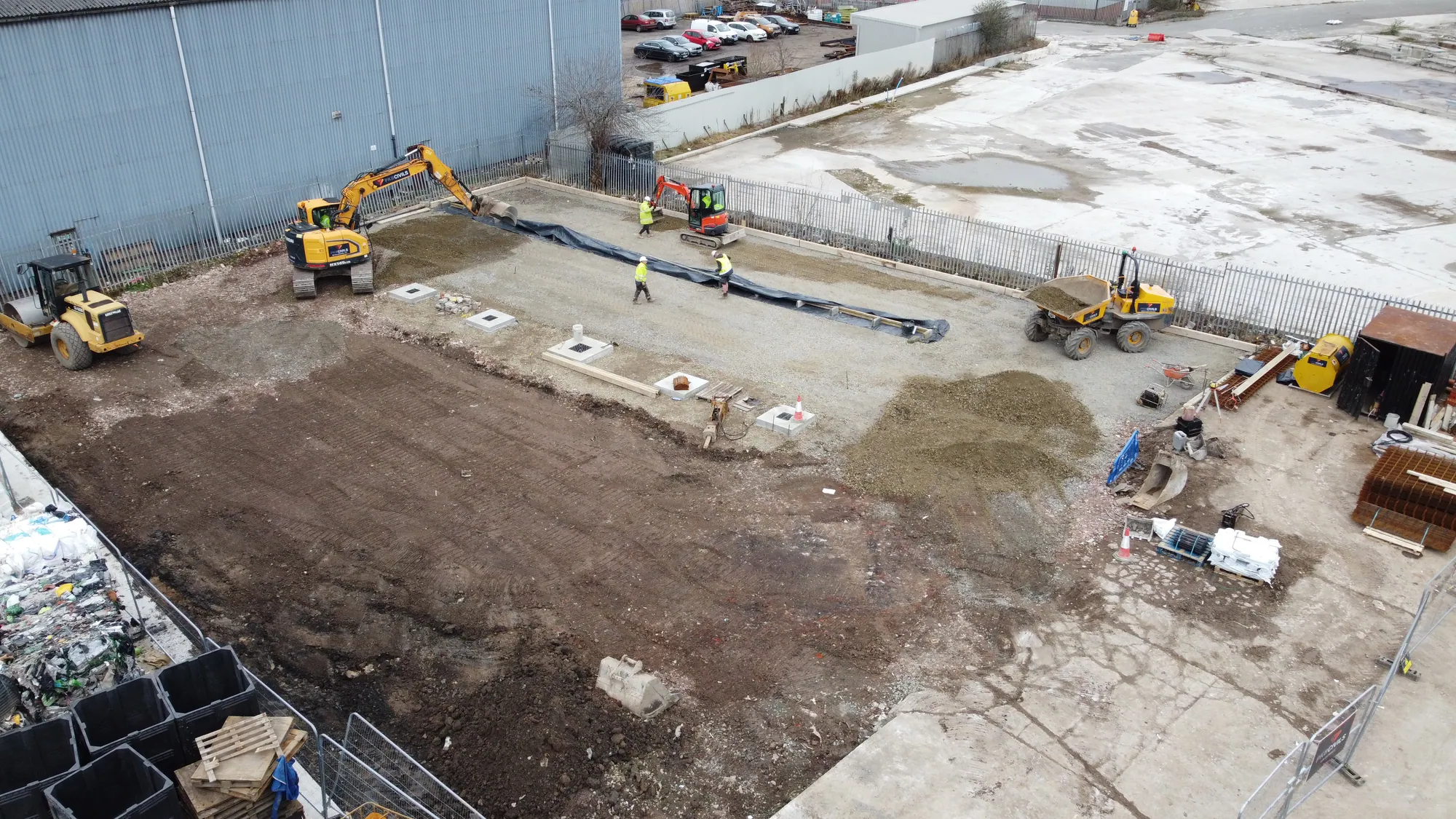
The ground, the rules and the roads that can change an earthworks job around the city, and where each is recorded.
Excavation works caused the one recorded breach of the Coventry Canal, at Bishopsgate Green, the 2022 flood risk assessment notes, so a cut near either canal bank is planned around it.
Coventry till can hide unexpected pockets of running sand or silt, which can bring down a cut face or a batter that looked sound the day before. The detail is on groundworks in Coventry.
Mandatory digital waste tracking starts at waste receiving sites in England from October 2026, with producers to follow, and the code for reusing soil is being reissued as the Soil Passport Scheme, the Environment Agency says.
The council's action plan encourages through traffic off Foleshill Road and onto the A444, so a muck-away route is worth agreeing before the first load. More on civil engineering in Coventry.
The jobs closest to Coventry, with this kind of work first.
Feedback from the people who run these sites, shown with the job we did for them.
Really happy with the result. Your team were great to have on site and we were trading throughout which was important. Thank you.
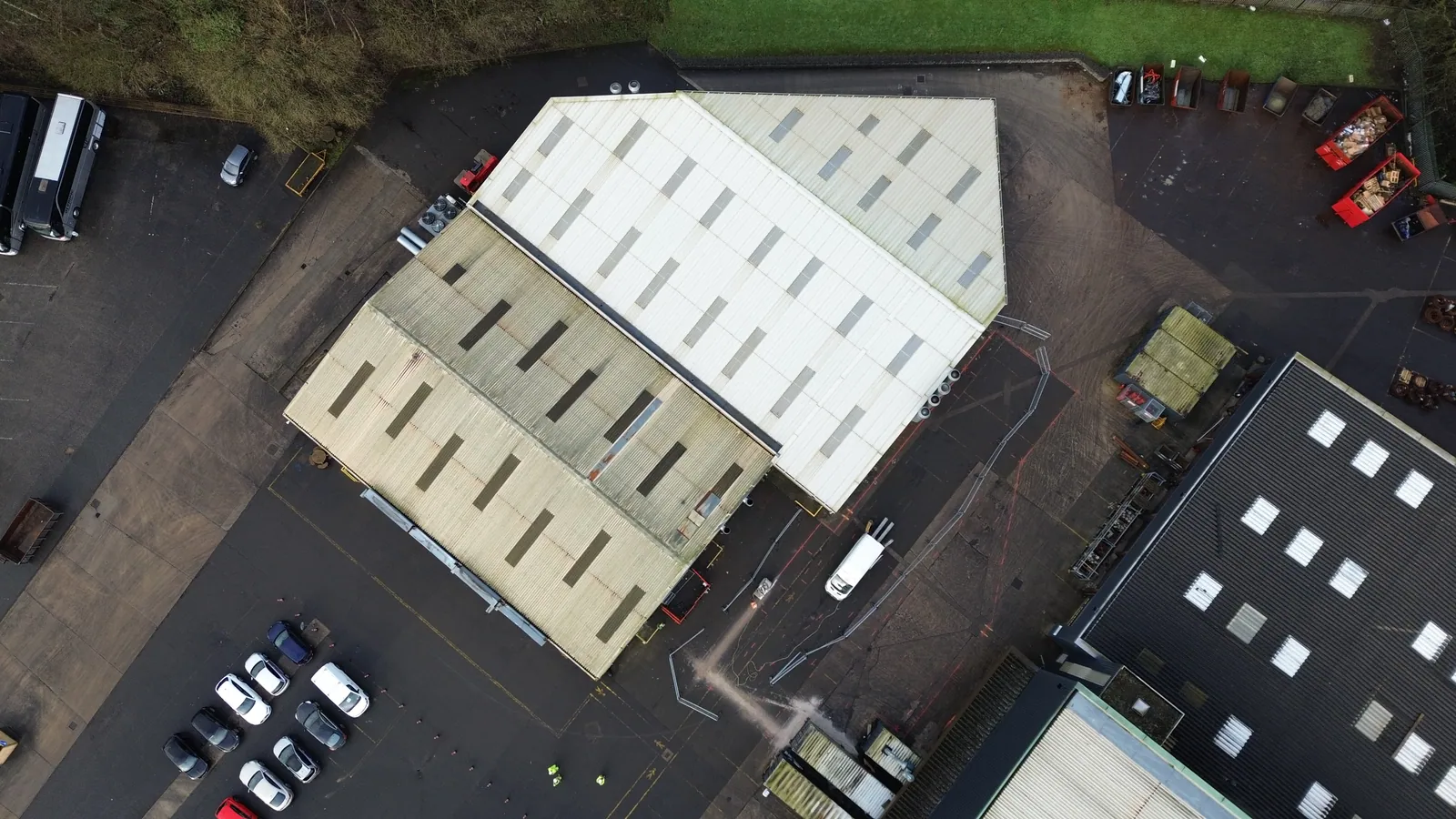
The fact you have a road sweeper coming on-site to clean up, is very much appreciated and shows attention to detail. Your team always work clean and tidy, and what really stood out is their communication and the fact nothing is too much trouble. The concrete repairs exceeded my expectations and should make the area much safer to work in.

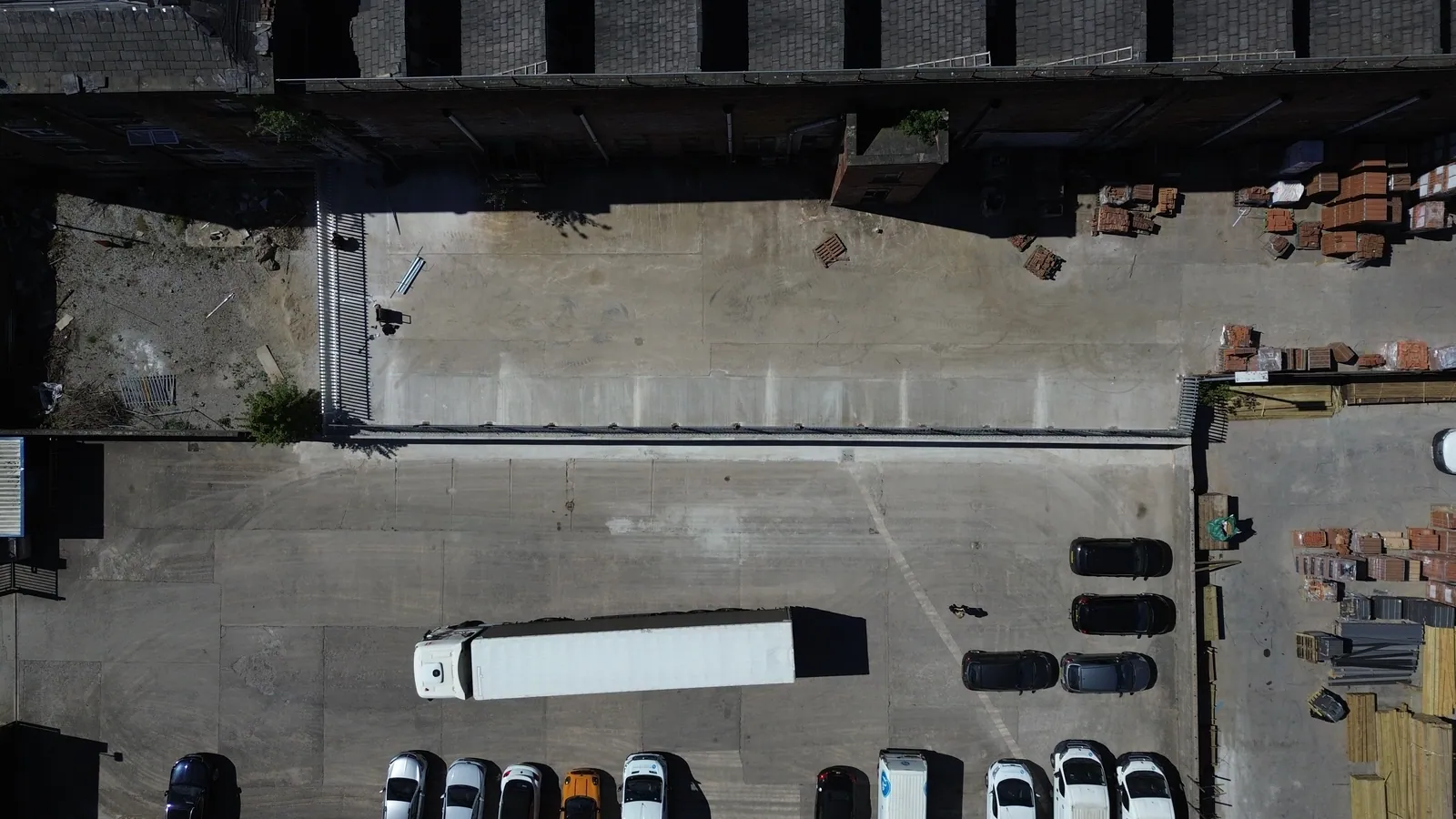
Really impressed with your team and how you kept the yard open, the new works look fantastic. Brilliant job.

Along the Sowe, much of what comes out of a dig was put there. The British Geological Survey records that large tracts of the valley's floodplain in the Coventry district have been built up artificially, and that urban development and landfill tipping have largely hidden the river's First Terrace deposits. A cut near the valley floor may be in fill for some way before it reaches anything natural.
The BGS sorts the district's made ground into two main kinds: the many quarries and pits left by opencast extraction, clay pits among them, and material built up above the original ground surface. Waste tipped into old pits before landfill licensing put groundwater in the superficial deposits at risk. At Villa Farm, Wolvey, organic contaminants were found up to 300 m from the lagoons.
Not every plot is a blank page, either. At GreenPower Park, the former Coventry Airport, Warwick District approved reserved matters for the development plots, building parameters, site infrastructure and primary electricity substation in late 2025 and early 2026, and the council's planned new application would keep the approved site levels, development parcels, access and surface water attenuation network, its Cabinet report says. Earthworks there means hitting levels that are already set, not designing new ones.
If a plot sits on a filled pit or old tipping, the first spend is a desk study and a ground investigation, and the excavator comes later. If they find contamination or gas, the earthworks follow the remediation strategy agreed for the site, which may change what is dug, where it goes and what replaces it.
And a small yard extension with a shallow dig and clean spoil doesn't need a separate earthworks package. The dig-out goes in with the slab work, covered on concrete yards in Coventry, and the formation is trimmed by the crew that will lay the sub-base on it.
Postcode districts in Coventry and Warwickshire where we've delivered: CV11.
See them on the map
Can't see your question? Call us or send your brief and we'll come back to you.
Send your briefAt least a soil contamination desk study, including the possibility of gas migration, where a site has a history of industrial or commercial use or landfill, or sits next to such a site, according to the council's checklist. Ground investigation, remediation and further monitoring may follow. On a plot like that, the study and its findings come before the cut and fill plan is fixed.
It depends on what the fill is, and that varies. The BGS records that large tracts of the Sowe floodplain were built up artificially, so a yard there may sit on made ground of unknown make-up. Trial holes and testing show whether it can be compacted and used or has to be dug out and replaced, and Lauren's article on yards and the weather explains why saturated ground matters.
It should be. The BGS found that waste tipped into old pits before landfill licensing put groundwater in the superficial deposits at risk, and at Villa Farm, Wolvey, contaminants turned up a long way from the lagoons. So where a dig near old tipping needs pumping, a sample of the water is tested before it goes to a sewer or a ditch.
Because the results decide where it can go. A load classified before it leaves can be booked straight into a site permitted to take it, while an untested load from a Coventry plot with an industrial past risks being turned away at the gate. Testing early also shows which clean material can stay on site as fill, which cuts the number of lorries on your roads.
Taking the old surface and the ground beneath down to the level the new slab needs, called the formation, then trimming it to falls and checking it before the sub-base goes on. Any soft spots found in the clay are dug out and replaced with compacted stone. What comes out is sorted as it is dug, so clean clay, old fill and broken concrete each go their own way.

Ben has over 10 years of experience in contracting management, specialising in pre-construction with some of the UK's largest contractors. Ben now leads pre-construction, project planning and client engagement.
Tell us what's happening on site. We'll review your brief and, if it's a good fit, arrange a free site survey.