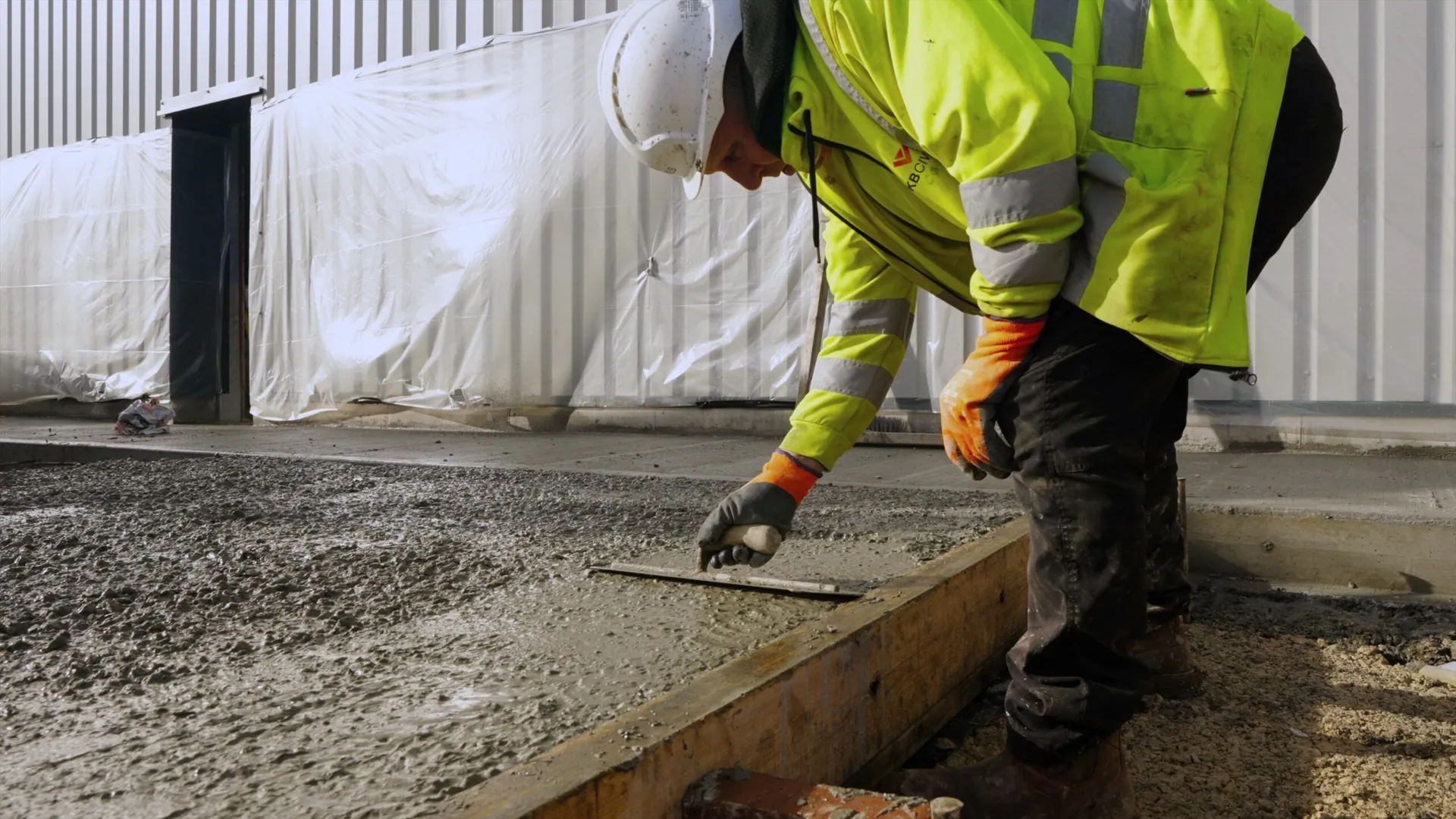
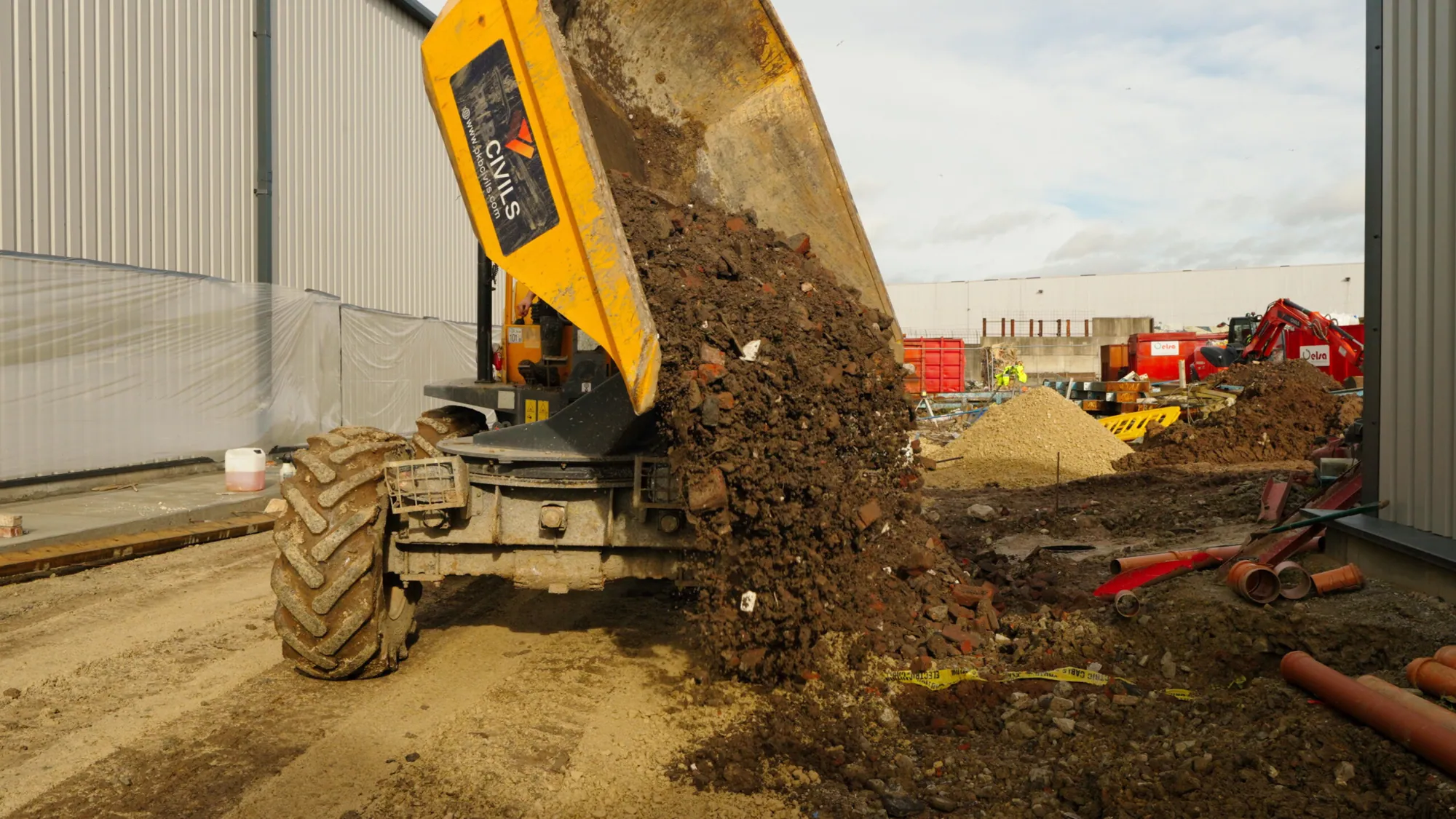
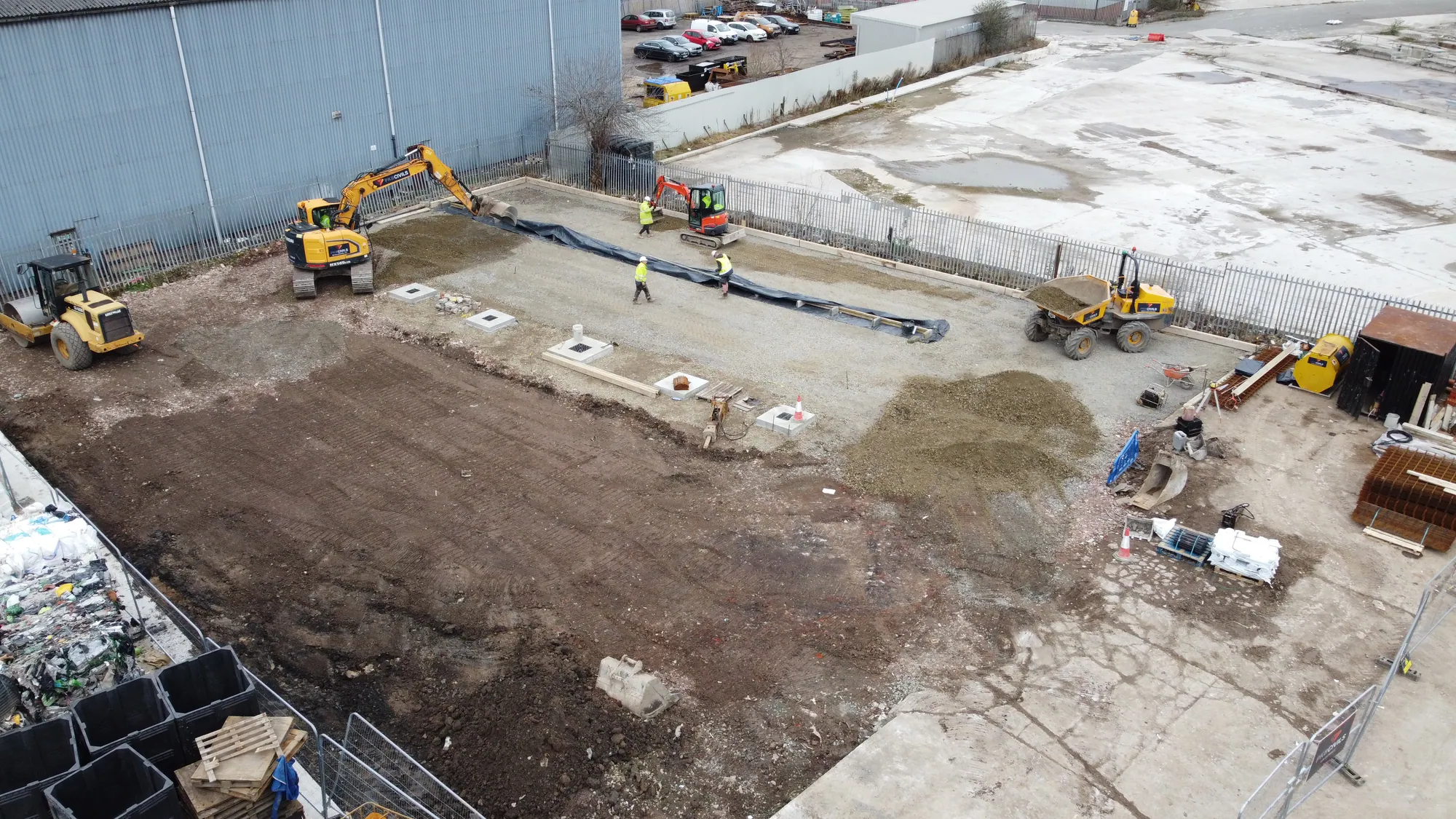
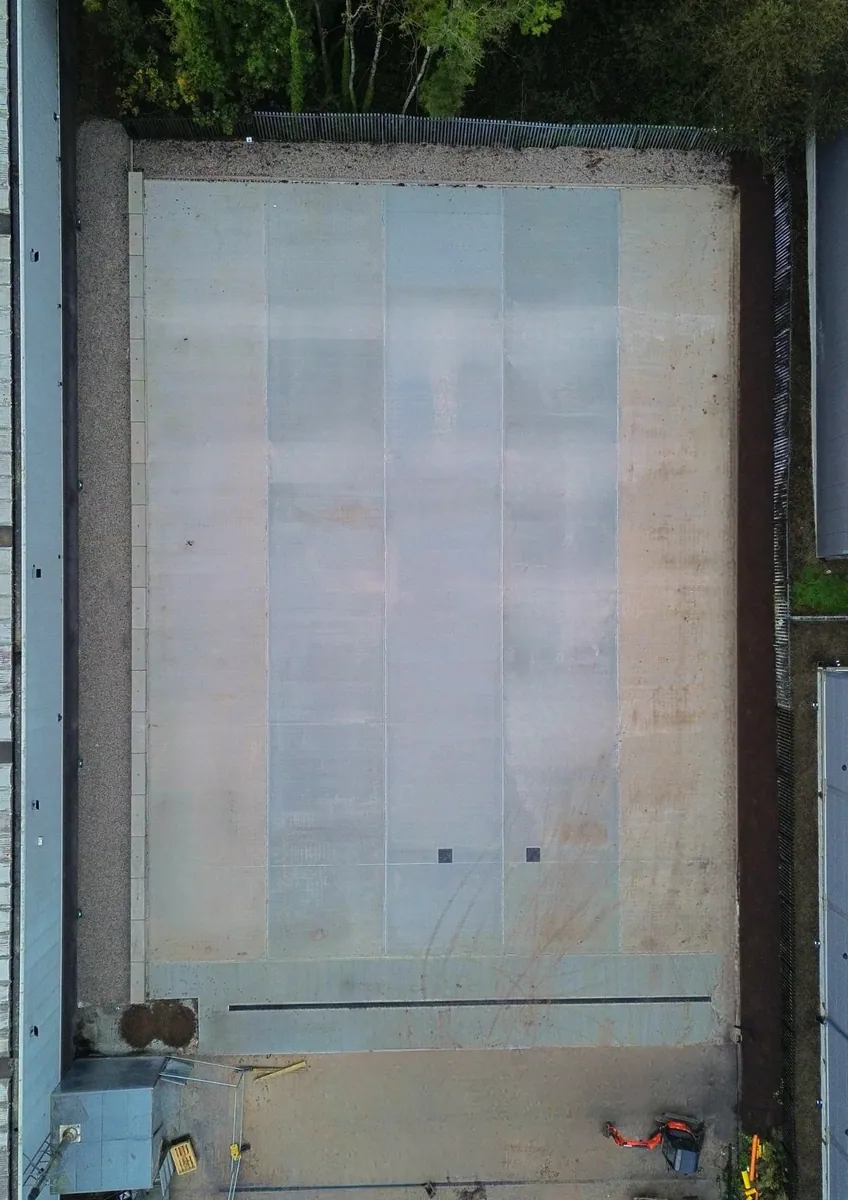
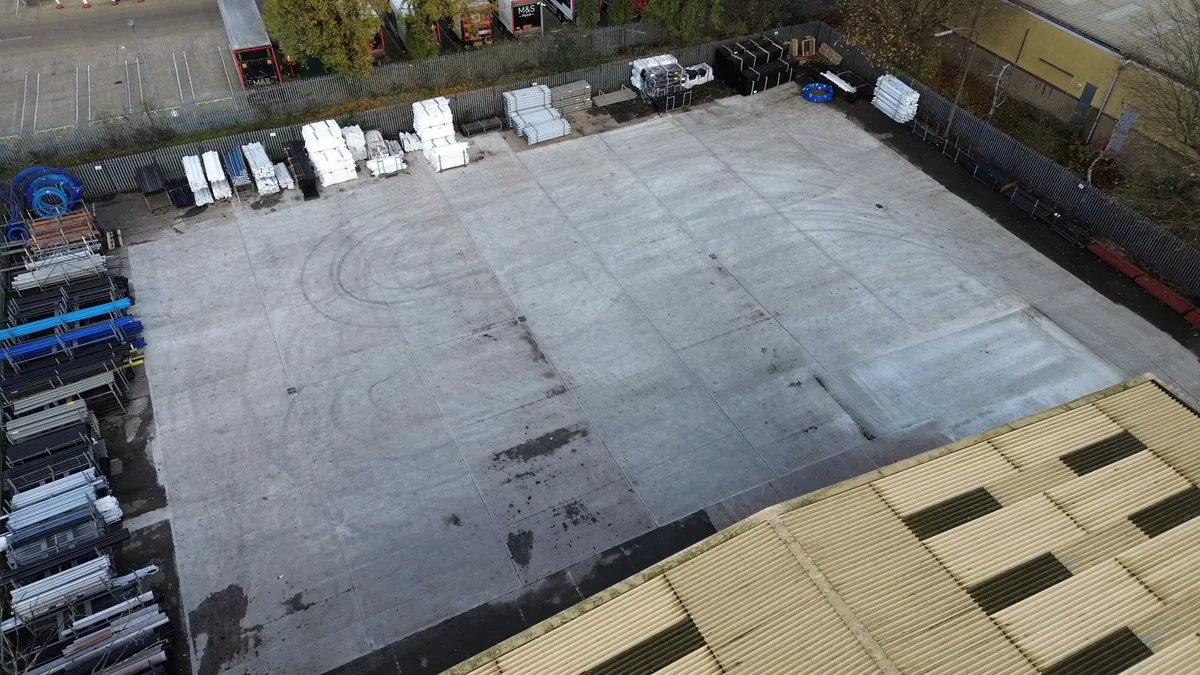
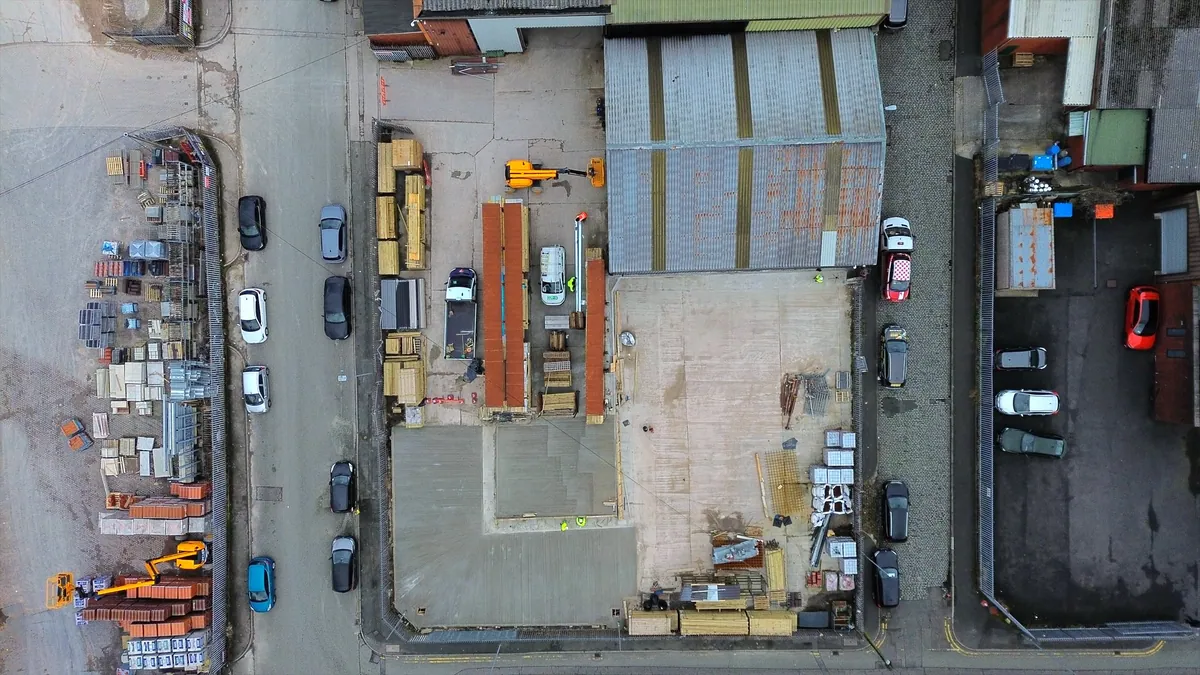
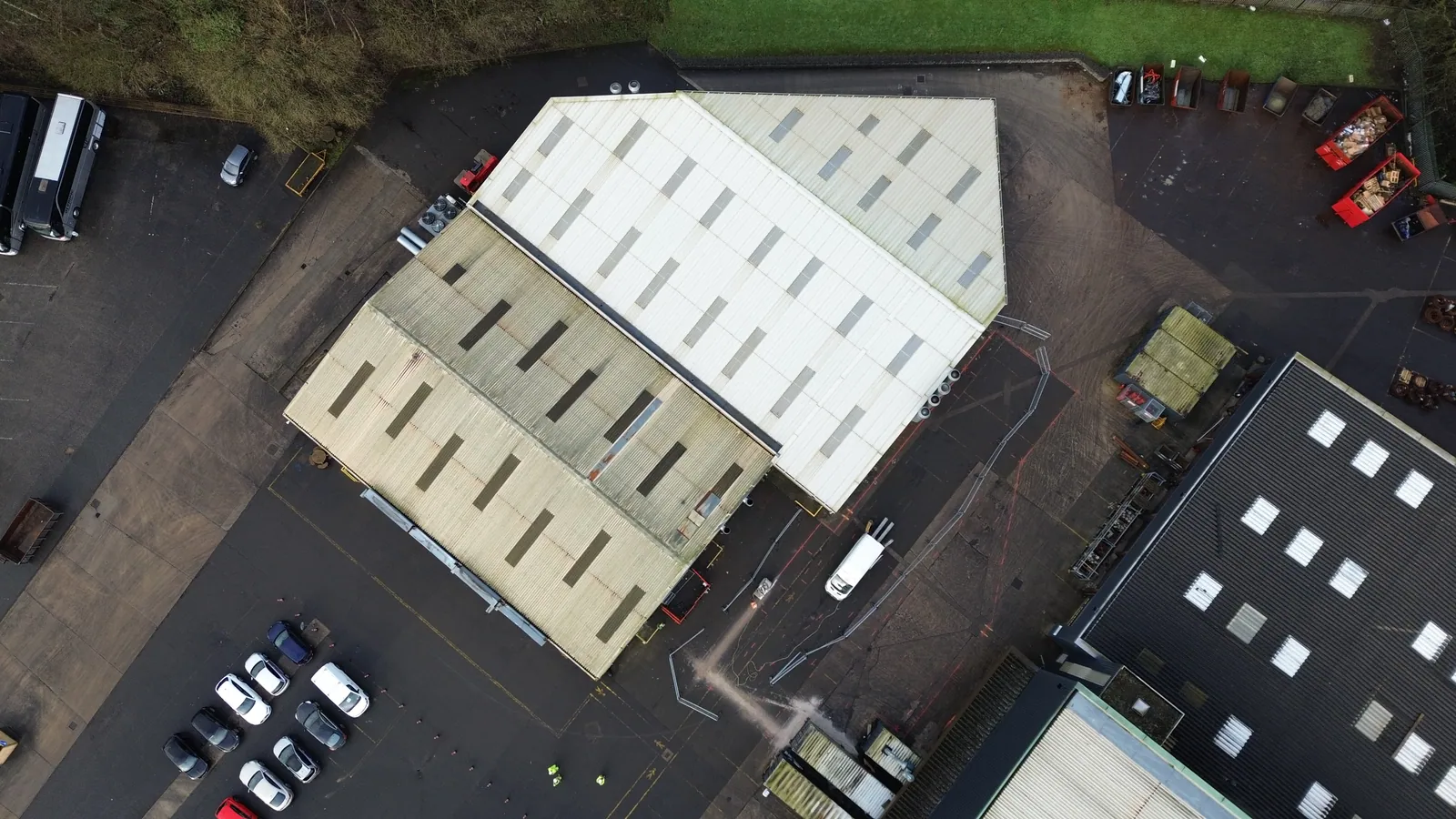
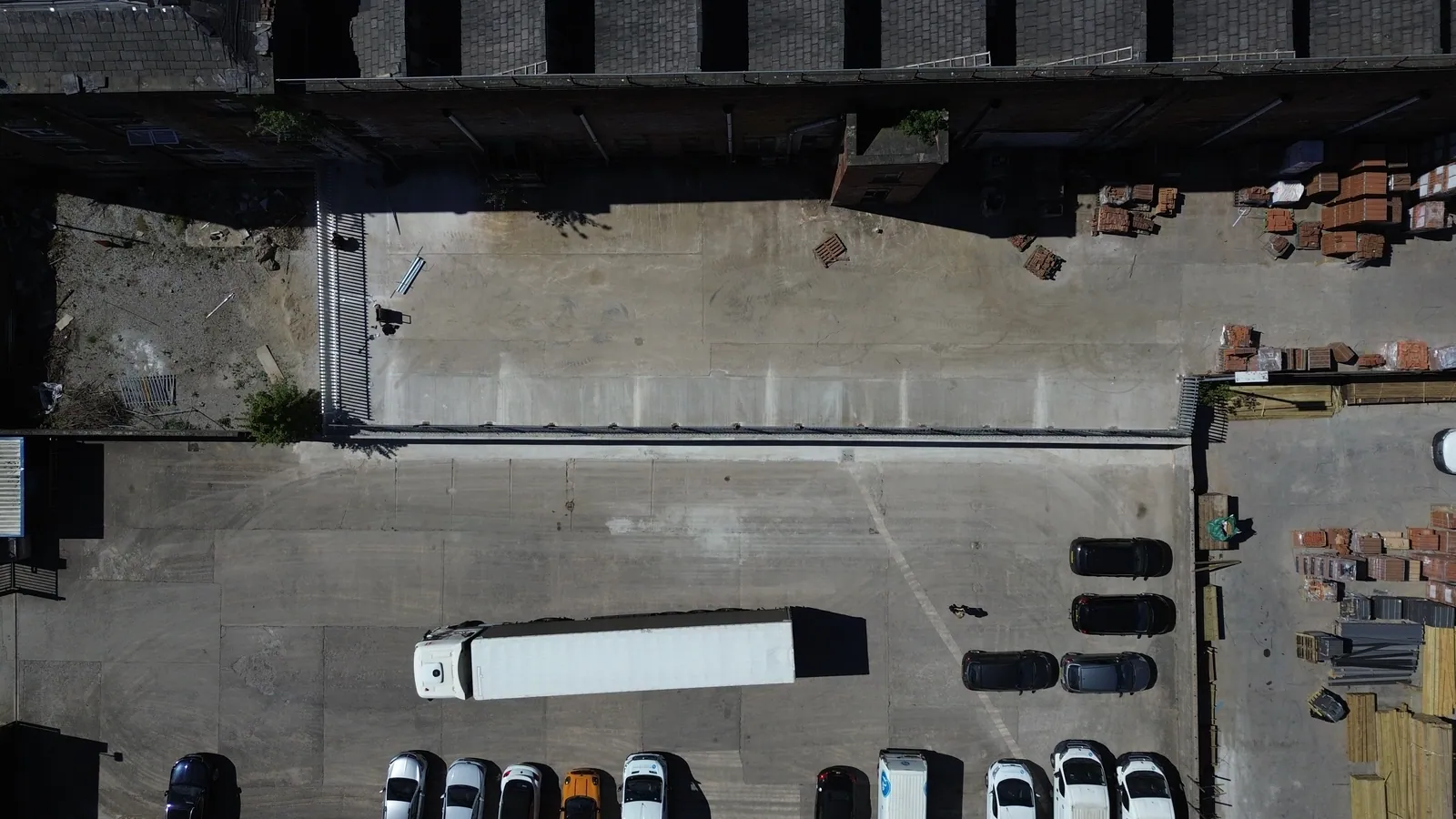
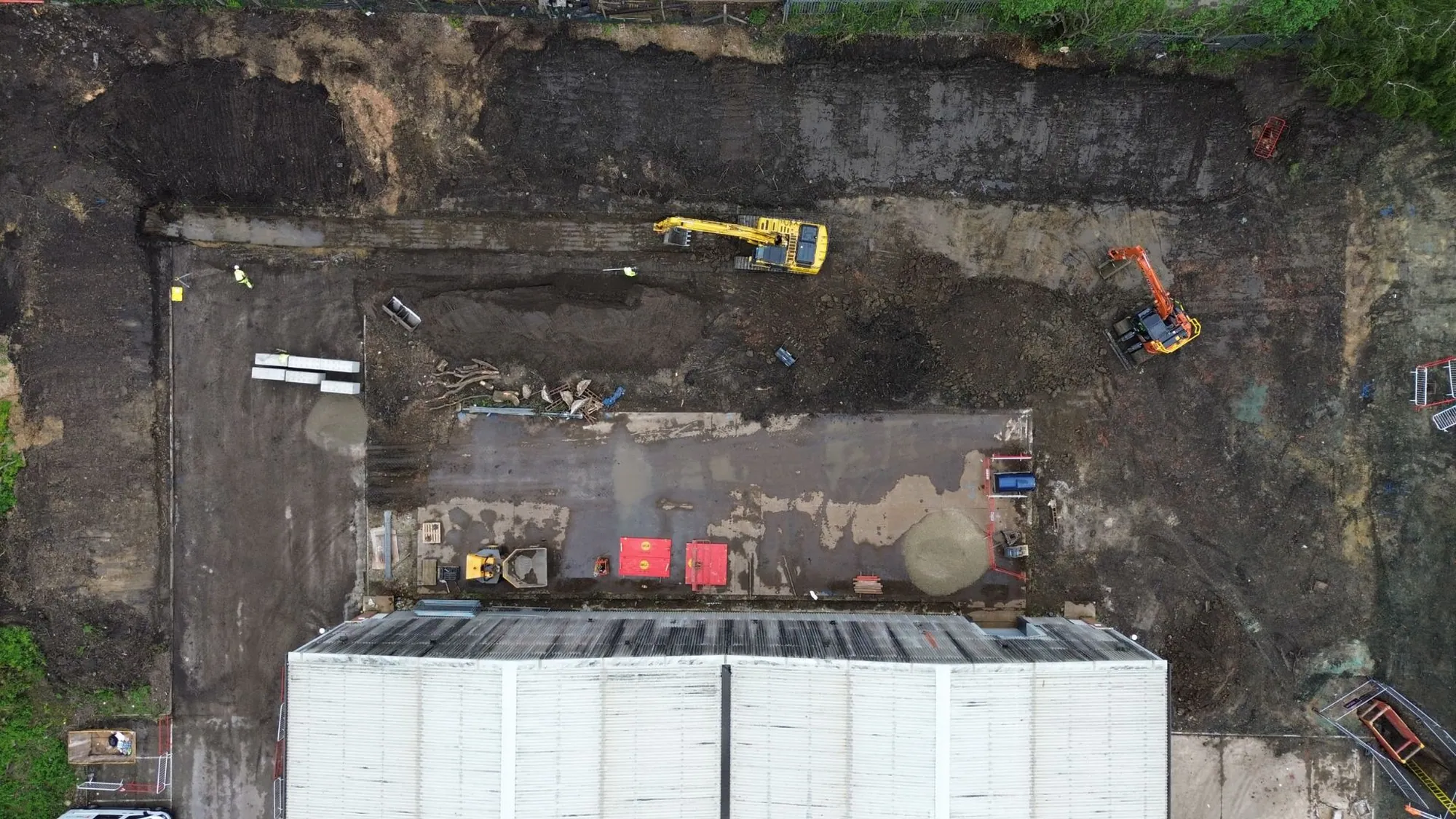
Coventry's logistics sheds, manufacturers and suppliers, from Ansty and Ryton to Whitley, run on their yards, and PKB Civils is a specialist concrete yard contractor that builds and repairs them. Our crews lay new reinforced yards and replace failed bays with their own plant from Rochdale, a section at a time so lorries and forklifts keep moving.
Yards are what we build: the reinforced slab outside the shed, the loading apron at the doors, the route forklifts take between buildings. When a Coventry yard has cracked through, started to pond or run out of space, our crews cut out what has failed, rebuild what lies under it and lay new reinforced concrete with our own plant, while the rest of the yard stays in use.
Around the city, a lot of that traffic runs on four estates that Coventry's Local Plan names as strategic sites of regional significance: Prologis Ryton, Ansty, Lyons Park and Whitley Business Park. Our concrete yard work sets out what a new yard or a repair involves.
2,000+Projects completed across the UK
150,000m²Concrete poured across all our jobs
40yearsFamily-run in Rochdale since 1986
Concrete yards in Coventry: what we do
Everything we can take on for you. Not sure which you need? Send your brief and we will tell you.
Dock aprons
Heavier reinforcement and a thicker slab in front of the loading doors, where trailers reverse in and the same spots take the load all day.
A Coventry yard with lorries or plant on it every day can't close, so the work is split into sections, each handed back before the next is opened, with a way in and out kept clear. Lauren's article on depot yards describes an Exeter plant hire depot rebuilt that way while its fleet still went out each morning.
Level, even and properly jointed
Ben's rule for a yard base that carries HGVs is that it must be level, the same thickness throughout and correctly jointed, because formwork set out wrong turns a cosmetic fault into a structural one. The forms, the steel and the pour are all handled by our own crew.
Specified for what will use it
The survey starts with what crosses the yard: lorries at the doors, forklifts between buildings, plant. On Coventry estates where distribution, research and manufacturing sit side by side, that mix decides where the slab is thickened and where the joints go.
Is your Coventry yard holding you back?
Send us a short brief and a few photos. If it's a good fit, we'll arrange a free site survey and plan the work around how your site runs.
The weak points we find on working yards and what lies behind each, from our surveys and our own articles.
The loading point
Where machines or goods are loaded, the slab takes repeated impact, often at a slab edge or hard against a joint, where it is weakest. The heaviest load in the yard lands on its weakest part.
Slurry at the joints
Water or grey slurry squeezing up from a joint as a loaded vehicle crosses it means the sub-base underneath is losing its fines, and the slab is losing its support with them.
Bands along the route
Tracked plant slews instead of steering, dragging across the surface, so fretting and spalling follow the line the machines drive while the concrete either side stays sound.
Cracks nobody planned
A slab with too few joints, or joints in the wrong places, cracks where it has to move. After a summer as hot as 2026's, those cracks are open when the rain comes.
Repairs with free edges
A small patch poured into a hole has no load transfer to the concrete round it, so at a busy loading point it can fail faster than the original slab did.
Our nearest projects to Coventry
The jobs closest to Coventry, with this kind of work first.
Feedback from the people who run these sites, shown with the job we did for them.
1 / 3
“
The fact you have a road sweeper coming on-site to clean up, is very much appreciated and shows attention to detail. Your team always work clean and tidy, and what really stood out is their communication and the fact nothing is too much trouble. The concrete repairs exceeded my expectations and should make the area much safer to work in.
Concrete repairsRochdale, Manufacturing, 4 to 5 weeksSee the job
“
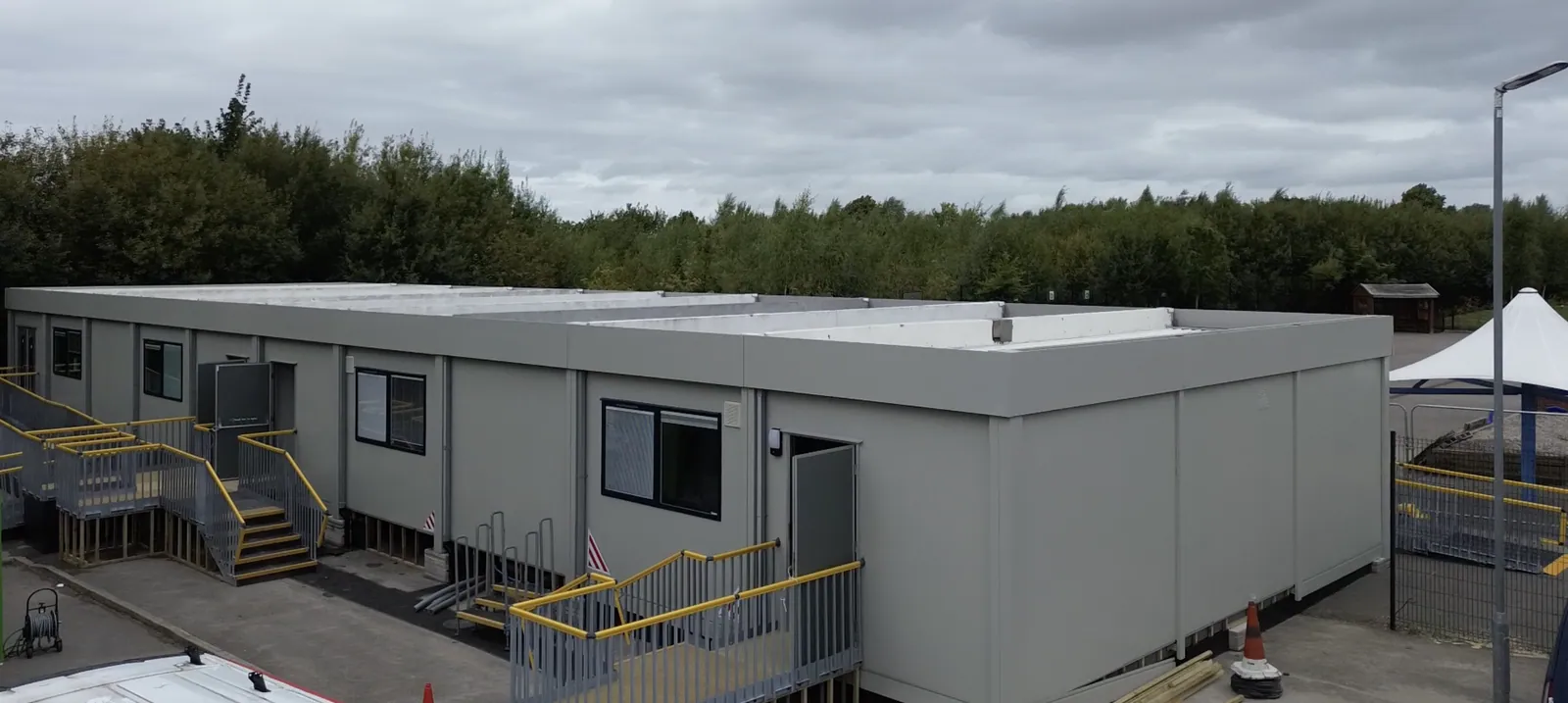
Everything was prepared when we arrived and the school was kept running throughout. Really pleased with how it went and look forward to working with you again
Modular classroom groundworksSt Helens, Modular, 4 weeksSee the job
“
Really impressed with your team and how you kept the yard open, the new works look fantastic. Brilliant job.
Yard extension and retaining wallBolton, Builders merchantsSee the job
What ground and site conditions should you expect in Coventry?
A yard slab is shaped by what drives on it as much as by the ground beneath. At GreenPower Park, the former Coventry Airport, the draft policy quoted in the council's September 2026 Cabinet report would require at least 60% of floorspace to be industrial or research and development, cap storage and distribution at 40%, and not support the largest warehouses unless they serve manufacturing. Yards there are likely to carry production traffic, with deliveries, forklifts and plant moving between buildings.
Underneath, away from the river valleys, the ground is glacial sand and gravel or till, a tough red-brown clay, and its make-up can change quickly across a site, as groundworks in Coventry explains. For a slab, that means testing the formation where the yard will go and building a sub-base that keeps water off the clay, so the support the slab was designed on is still there years later.
Older estates add conditions of their own. Lyons Park is previously developed land, the Local Plan notes, so an extension there may find old foundations or hardstanding below the surface. And the council expects private hardstanding that falls towards the public highway to have its own drainage to intercept the flow, so the falls near a yard's entrance are set out with the drains.
When concrete isn't the right call
New concrete won't cure a drainage fault. Where a Coventry yard ponds by the same gully every winter or cracks along a channel, water is getting into the sub-base, and a new slab laid over it will fail the same way. The drains are checked and put right first, which is drainage in Coventry.
A whole new bay isn't always the answer either. A crack over sound support can be repaired where it is. A patch that keeps breaking up is a different case, and Ben explains why: “Every patch repair creates a new joint edge that becomes the next point of failure.” Once repairs keep failing in the same places, replacing the bay starts to make better financial sense.
A local track record
Postcode districts in Coventry and Warwickshire where we've delivered: CV11.
Rugby Borough Council lists four of the plots at Prospero Ansty as constructed and available for occupation. The site covers 65 hectares at the western edge of Rugby Borough, next to Coventry, with outline permission from June 2021 for up to 160,000 m² of office, research, light industrial and general industrial floorspace. A yard for a unit there is planned around the vehicles its occupier runs.
Is Whitley Business Park next to Jaguar Land Rover's headquarters?
Yes. Coventry's Local Plan allocates the 30 ha business park in south-east Coventry, beside JLR's world headquarters at Whitley and the A45 and A46, for research, industrial and storage and distribution uses. A new vehicle bridge and slip roads improved access, detailed approval was granted for a large storage and distribution unit on 12 ha, and further land was expected to support JLR's growth alongside Whitley South.
How much land is allocated for employment around Coventry Airport?
235 hectares, under Policy DS16 of Warwick District's Local Plan, adopted in September 2017, as a major employment site of sub-regional significance for business, industrial and storage and distribution uses. The same plan calls Coventry and Warwickshire's central location a major asset in its role as a key logistics hub for the country, so yards there need building for heavy traffic from the start.
Is there still land to build on at Lyons Park in north-west Coventry?
When Coventry's Local Plan was prepared, five industrial and warehouse units on 4.5 ha had been completed at Lyons Park, a 23.5 ha previously developed site on Coundon Wedge Drive, and the site was allocated for business, industrial and storage uses. That was the position when the plan was written, so check what has gone up since. On previously developed land, we test the subgrade before a yard is designed.
How much has been built at Prologis Ryton and Ansty since 2011?
Coventry's Local Plan records 30 ha of employment land completed at Prologis Ryton and 14 ha at Ansty between 2011/2012 and 2015/2016, with planning permissions in place for more at both. On sheds of that kind the wear concentrates where trailers reverse onto the doors, which is where we make the slab thicker.
Ben has over 10 years of experience in contracting management, specialising in pre-construction with some of the UK's largest contractors. Ben now leads pre-construction, project planning and client engagement.
We use cookies to see how people use our site and to measure our adverts. They're on unless you choose Reject all. Privacy policy
Necessary
Needed for the site to work, such as remembering your cookie choice. They don't store anything that identifies you.
Always active
Analytics
Google Analytics and Microsoft Clarity show us how people use the site, such as which pages they visit and where they came from, so we can improve it.
Advertising
HubSpot, Google Ads and WhatConverts cookies measure how our adverts perform and connect an enquiry or phone call to the advert or page that led to it.