1. Home
  2. Earthworks
  3. Manchester

Earthworks contractors in Manchester

PKB Civils digs out new yards and platforms across Greater Manchester as an earthworks contractor, where old industrial land can bring up colliery spoil, quarry waste or old refuse. Our own drivers and machines come from Rochdale, and sound spoil stays on site where it can, so fewer lorries leave your gate.

  • Keeping Clients Operational
  • Works Phased Around Your Site
  • Our Own Crews and Plant
  • Principal Contractor

Earthworks for commercial and industrial sites in Greater Manchester

Send your brief

Getting ground ready for a new yard, an extension or a level platform starts with a dig, and with deciding what happens to everything that comes out of it. We dig to formation and cut and fill to the levels the design needs, then send away only what can't stay. Our earthworks service lists the rest.

In Greater Manchester the first question is what's coming up. The British Geological Survey maps made ground over large areas of the district, the Irwell valley and central Manchester among them, and every sound load kept on site is one less lorry through your gate and one less load to tip.

2,000+Projects completed across the UK
150,000m²Concrete poured across all our jobs
40yearsFamily-run in Rochdale since 1986

Earthworks in Manchester: what we do

Everything we can take on for you. Not sure which you need? Send your brief and we will tell you.

  • Reduce digs through made ground

    Plots dug to formation through the colliery spoil, quarry waste and old refuse found in the county's made ground.

    Send your brief
  • Till kept on site

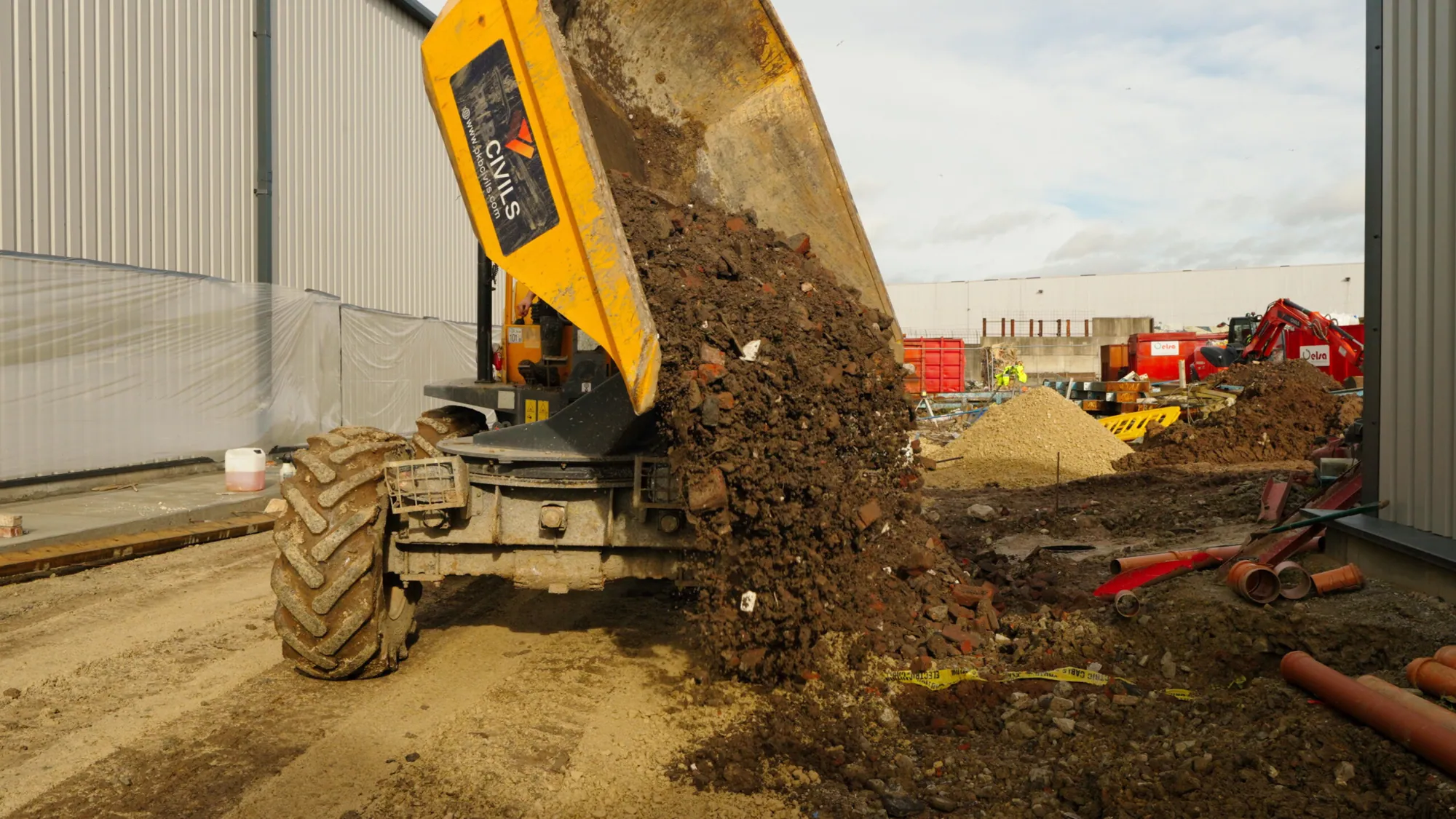
    Sound natural clay from the district's glacial till compacted back into a pit, platform or level on site, so it never needs a lorry or a tip.

    Send your brief
  • Floodplain ground replaced

    Soft silt, organic clay and peat from the river floodplains dug out and replaced with compacted stone, so a yard has firm formation.

    Send your brief
  • Cut and fill on sloping plots

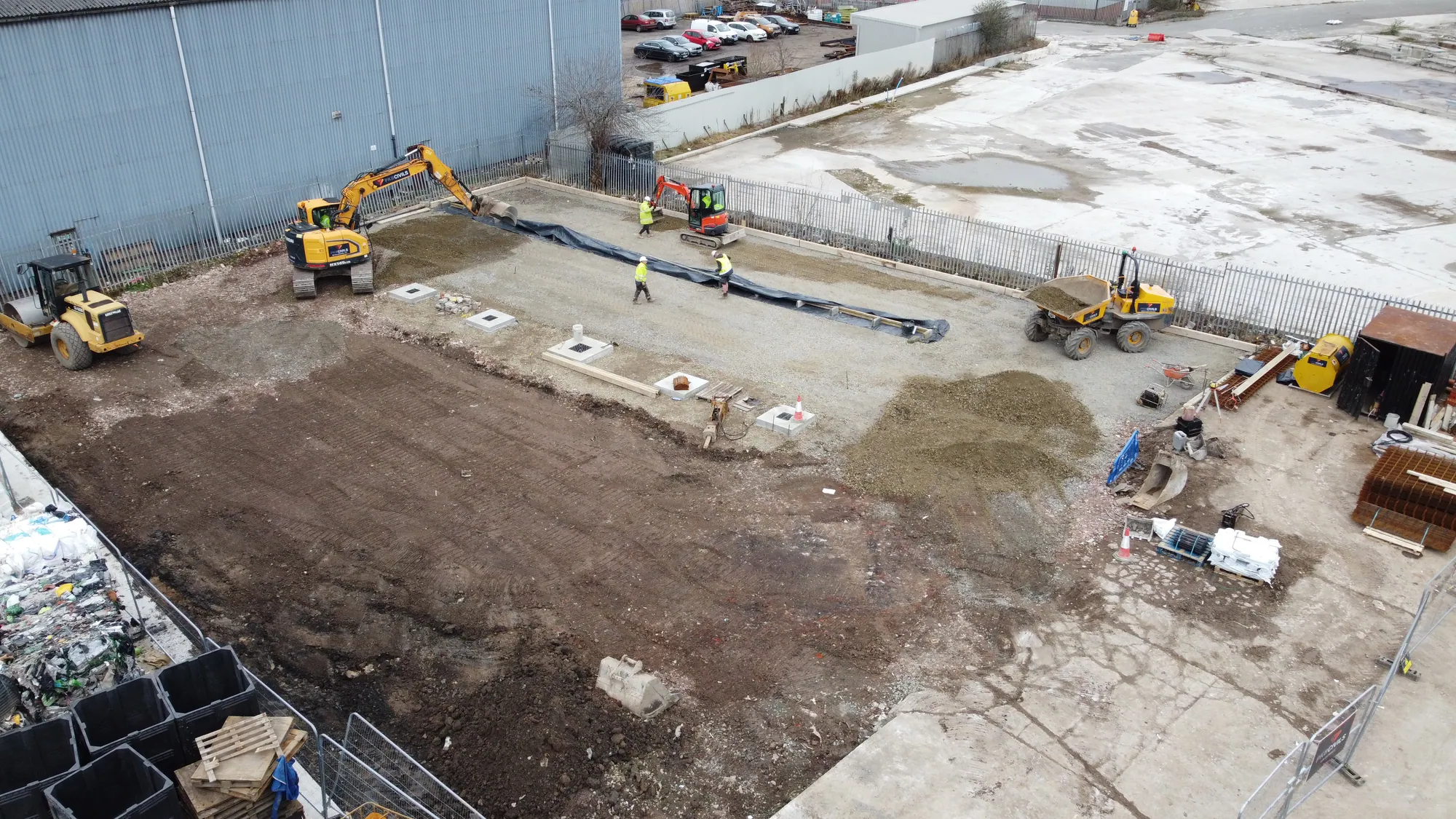
    Material moved across a sloping site to reach the design levels, compacted in layers so the fill can carry a loaded yard.

    Send your brief

Why Manchester sites choose us for earthworks

The same people survey, plan and build your job, and your site keeps running while we do it.

Send your brief
  • A one-way system on a firm surface

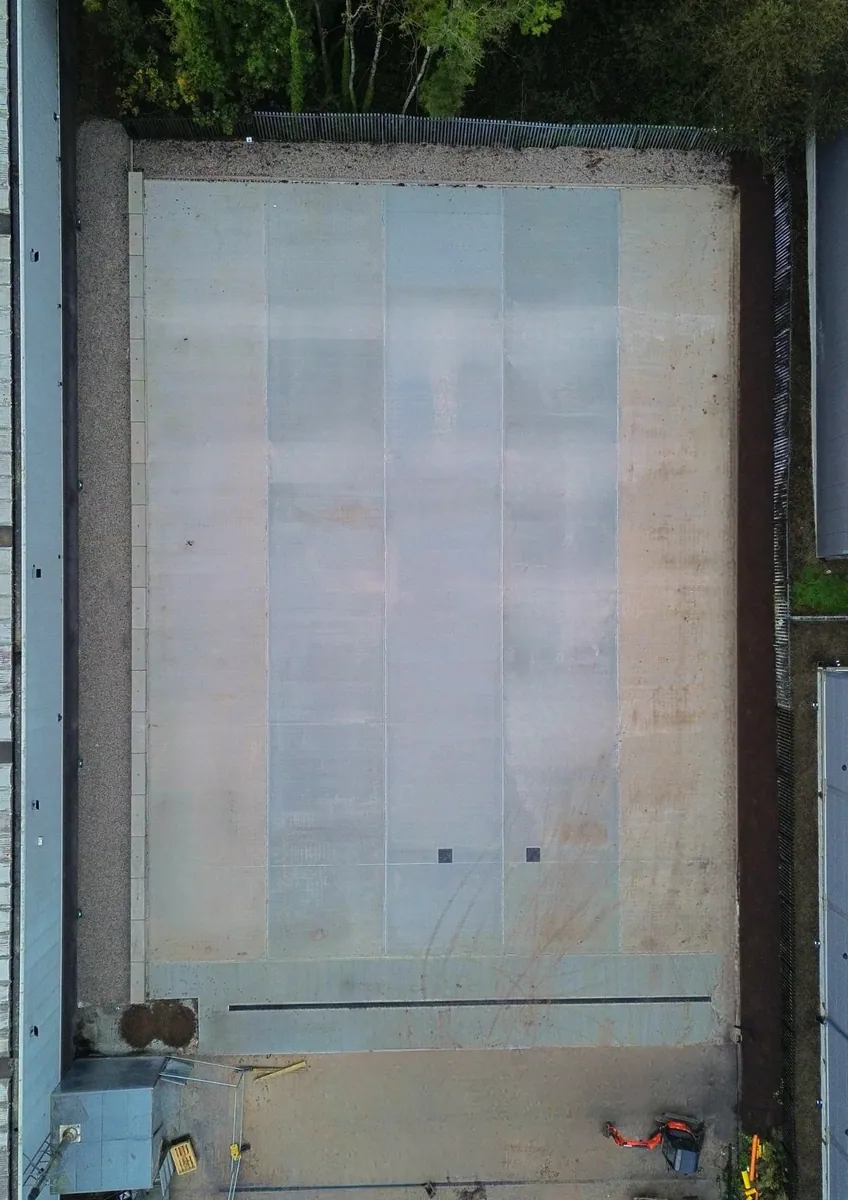
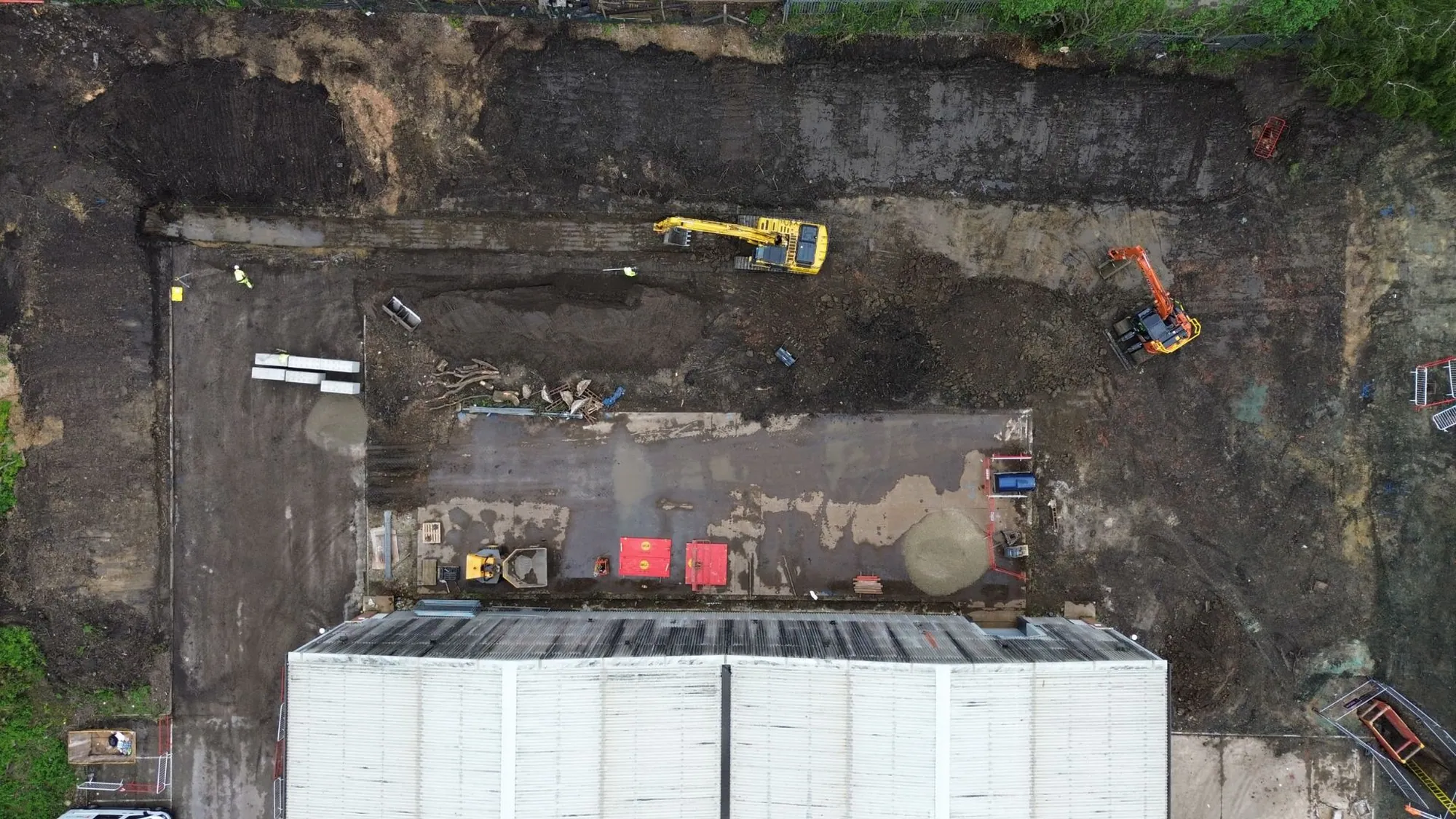
    At Hanson Springs in Rochdale we laid 500m² of new yard concrete across the full footprint, so a site whose surface wasn't safe could run a one-way traffic system. The excavated material was compacted into an internal pit on site, and a road sweeper kept the site clean throughout.

  • Made ground sorted as it's dug

    Made ground, commonly colliery or quarry spoil or old refuse in the BGS's account, is stockpiled apart from the natural clay so the clean clay isn't wasted.

  • Tested before it travels

    On former industrial land in Salford and elsewhere in the county, the spoil is tested before any lorry is booked, so the tip knows what's coming and you know what can stay as fill.

Earthworks planned for a Manchester site?

Send us a short brief and a few photos. If it's a good fit, we'll arrange a free site survey and plan the work around how your site runs.

Send your brief

What comes out of the ground in Greater Manchester

Four things that change an earthworks plan on Greater Manchester sites, with the evidence behind each.

  • Leachate and methane in made ground

    The BGS warns that made ground may hold hazardous waste that produces leachate and methane. On an old tip or works site, that shapes how a deep excavation is worked and how the spoil is classed.

  • Made ground that settles

    Made ground may be unevenly and highly compressible, the BGS says, so a yard built on it without digging through it or proving it first can settle in patches.

  • New rules at the tip

    From October 2026 permitted waste receiving sites in England must track waste digitally, and in June 2026 the Environment Agency was preparing a new version of the soil reuse code, The Soil Passport Scheme.

  • Floodplain silt in the fill heap

    Soft silt, organic clay and peat from the river floodplains can't go back in as fill under a loaded yard, so where they come up, the muck-away allows for them.

What our clients say

Feedback from the people who run these sites, shown with the job we did for them.

1 / 2
Concrete repairs
The fact you have a road sweeper coming on-site to clean up, is very much appreciated and shows attention to detail. Your team always work clean and tidy, and what really stood out is their communication and the fact nothing is too much trouble. The concrete repairs exceeded my expectations and should make the area much safer to work in.
Concrete repairsRochdale, Manufacturing, 4 to 5 weeksSee the job

What ground and site conditions should you expect in Manchester?

That made ground is commonly colliery or quarry spoil or domestic refuse, of variable make-up and thickness, and the BGS describes it as highly variable and possibly unevenly and highly compressible. Deciding what the spoil is, and whether any of it can stay, is the real work on those sites, and it starts at the first trial pit.

The floodplains of the Irwell, the Mersey and their tributaries carry younger river deposits of silt, organic-rich clay, sand, gravel and peat, and Chat Moss is a large raised mire, the BGS records. The soft silts, organic clay and peat make poor formation for a loaded yard, so where they turn up they're dug out and replaced with compacted stone, or the design works around them.

Salford City Council has no formally determined contaminated land sites, but says most land previously developed for industrial purposes will have some contamination on it, and that under planning the developer is responsible for making a development safe and suitable for use. On a former works, that responsibility starts with knowing what is in the spoil.

Trafford Park's raised fill is the other large man-made layer in the county, and concrete yards in Manchester covers it in full.

When earthworks isn't the right call

A sunken corner of an old yard on made ground may be the made ground settling. It can also be water washing out the sub-base, which Ben rates as more serious than frost damage, and that needs the drains looked at before any digging starts. Patching over it won't hold: in Ben's experience a filled pothole lasts only months once the sub-base under it has failed, as why yard potholes keep coming back explains.

Where peat runs deep near Chat Moss, digging it all out may not be practical, and the foundation design has to deal with it instead.

Where the plot still has buildings, slabs or live services on it, clearing them is a separate first stage under enabling works, and if a yard only needs a few failed bays cut out and recast, concrete yards in Manchester is the page.

A local track record

Postcode districts in Greater Manchester where we've delivered: BL1, BL3, BL4, BL9, M5, M6, M7, M11, M12, M13, M17, M24, M30, M40, M41, M45, M46, OL2, OL9, OL11, OL12, OL16, SK3, SK5, SK14.

See them on the map
2,000+Projects completed across the UK
1986The year PKB started in Rochdale

Questions about earthworks in Manchester

Can't see your question? Call us or send your brief and we'll come back to you.

Send your brief
Can clay dug from a Greater Manchester site go back in as fill?

Natural till often can. The district's till is a silty clay, the Stockport Formation, and if it's clean and suitable it can go back in under the current CL:AIRE Definition of Waste Code of Practice, with the paperwork in place before it moves. Made ground, commonly colliery or quarry spoil or old refuse, is harder to reuse, so testing decides what stays.

Is there peat under sites near Chat Moss?

There can be. The British Geological Survey describes Chat Moss as a raised mire covering about 2,500 ha, and peat turns up in the floodplain deposits along the district's rivers too. Peat compresses under load, so on these plots trial pits come before the levels are fixed, and the peat is either dug out and replaced or designed around.

How deep does made ground go on old Irwell valley sites?

There's no single answer. The BGS describes the district's made ground as variable in both make-up and thickness, so two trial pits on one plot can find quite different depths. That's why we dig trial pits across the area before levels and quantities are fixed, and price the muck-away from what they show.

How do you level a yard on the Irwell or Mersey floodplain?

By finding out first how deep the soft ground goes. The floodplains carry silt, organic clay and peat as well as sand and gravel, so trial pits come before the levels are set. Soft layers are dug out and replaced with compacted stone, and the new formation is built up in layers to the levels the yard needs.

Who is responsible if contamination turns up during earthworks in Salford?

Under planning, the developer, as Salford City Council says. If the dig turns up something unexpected, that part of the work stops and the material is kept apart until it has been sampled and a way of dealing with it agreed with you.

Ben Duffy

Written by Ben Duffy

Director, PKB Civils. Page reviewed

Ben has over 10 years of experience in contracting management, specialising in pre-construction with some of the UK's largest contractors. Ben now leads pre-construction, project planning and client engagement.

Got a yard that's holding you back?

Tell us what's happening on site. We'll review your brief and, if it's a good fit, arrange a free site survey.

Call usSend your brief