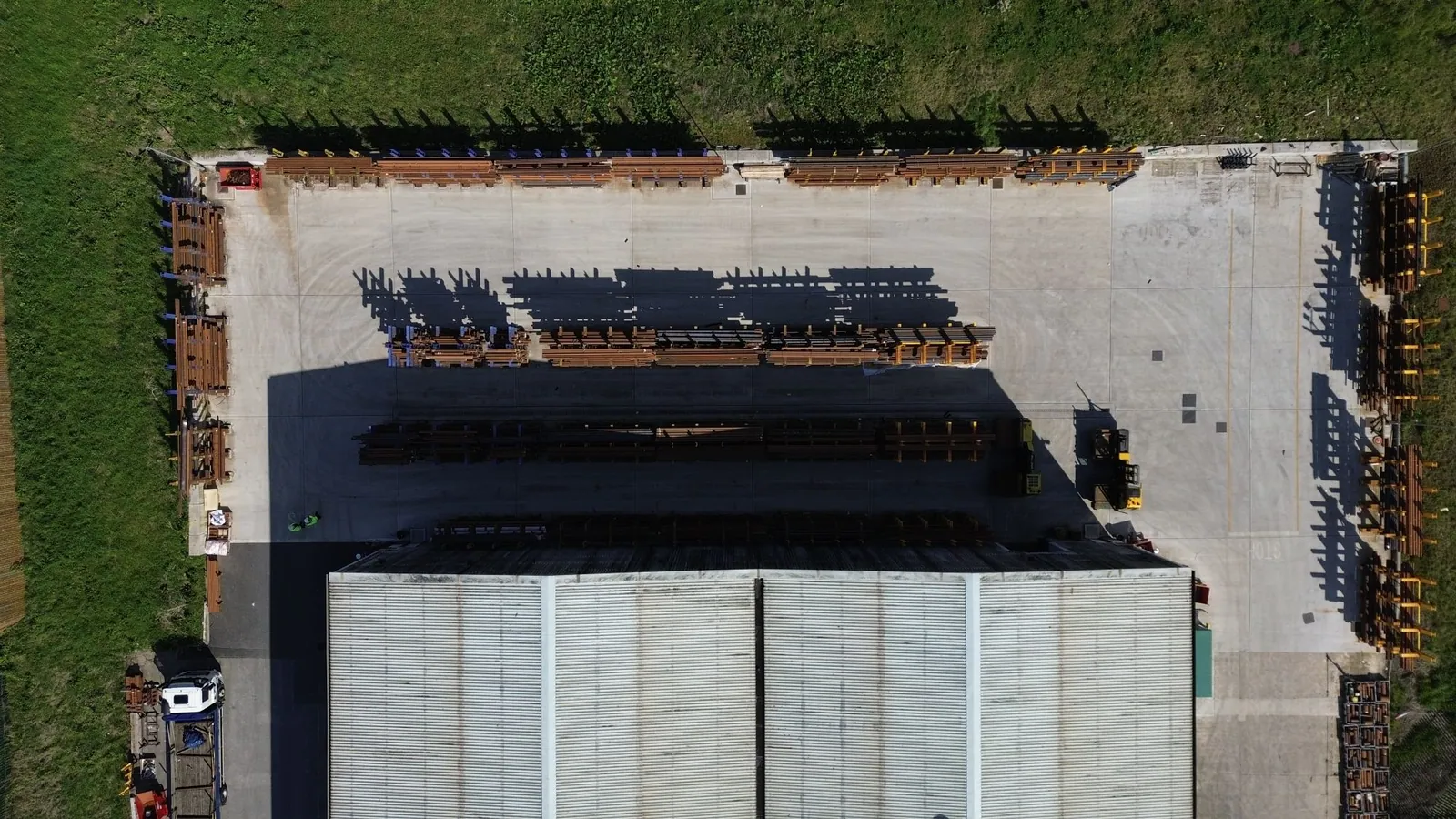
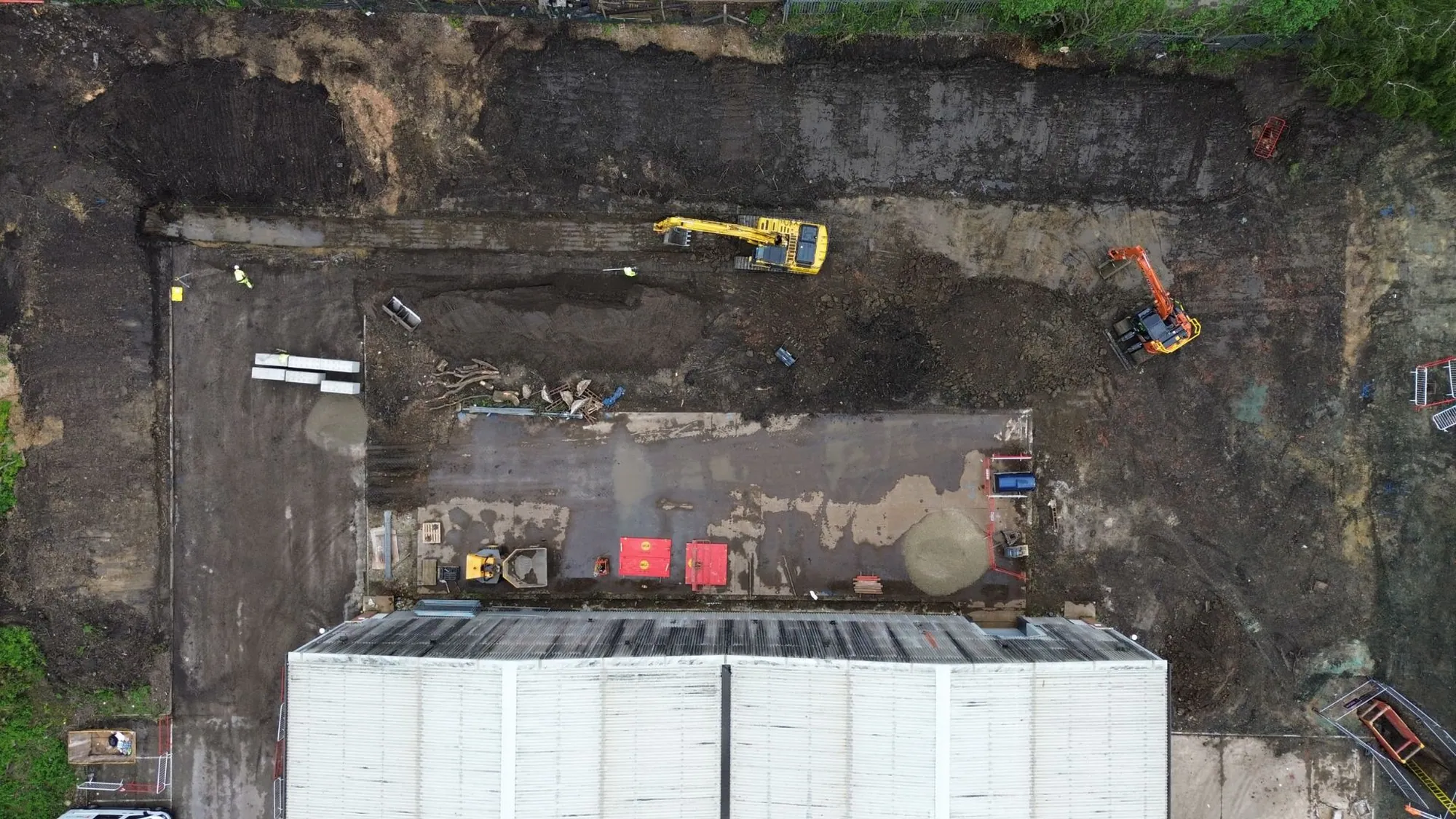
What ground and site conditions should you expect in Sheffield?
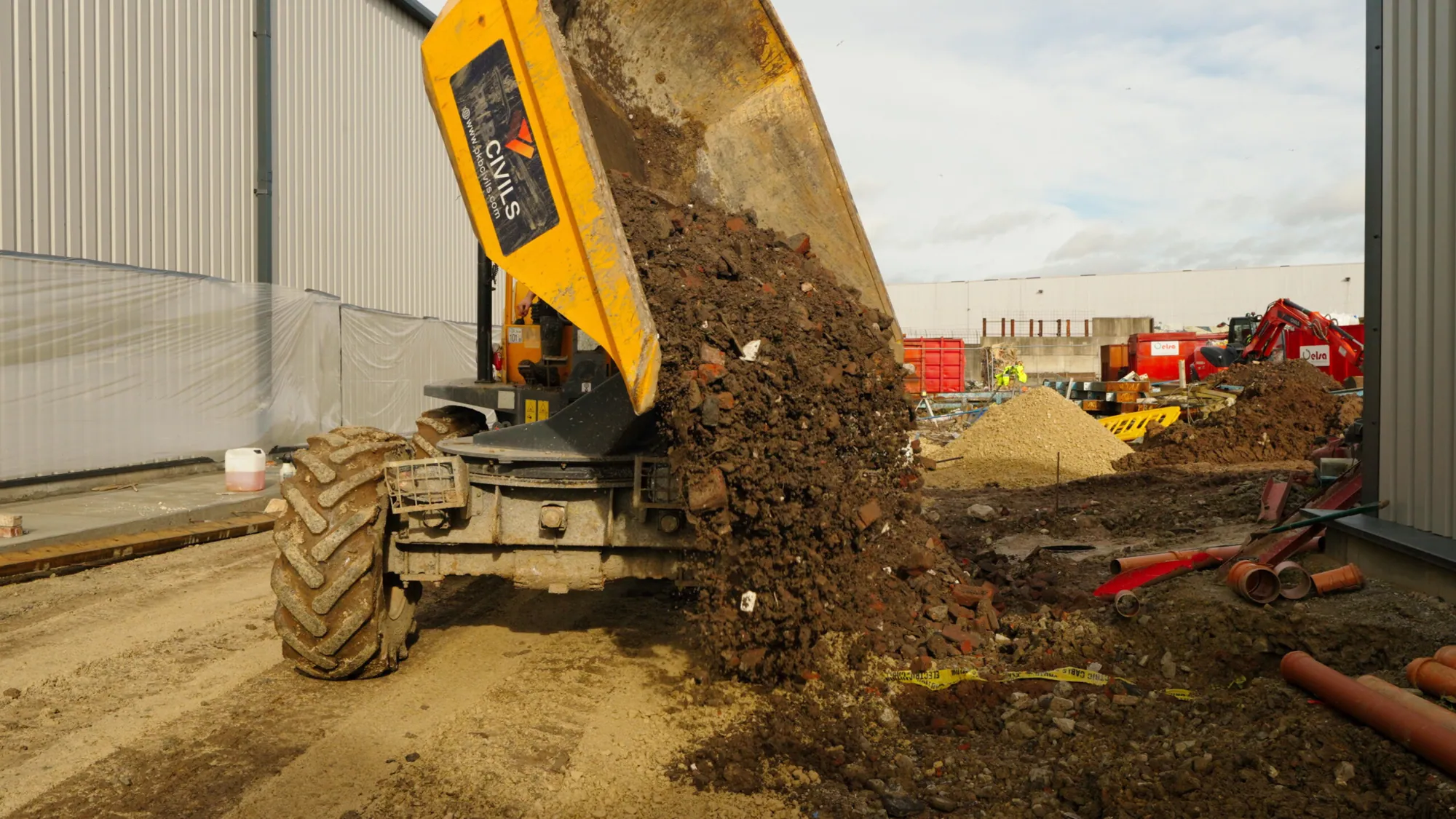
Iron and steel production will have generated large quantities of waste containing arsenic, lead and other heavy metals, Sheffield City Council's contaminated land strategy says, and works that made their own coke left waste tars, solids and waters. On a former works plot, either can sit in the made ground a dig goes through, and neither can always be told apart from ordinary fill by eye, which is why the investigation is read before the dig is priced.
The council has identified Sites of Potential Concern, from collieries, steel works and landfills to infilled ponds and substations. It expects to finish ranking them by 2027, doesn't publish the list, and treats the planning process as the best route for dealing with potentially contaminated sites. An owner may not know a plot is on it until the planning conditions for a new use ask for an investigation.
Former railway land needs the same care. Railway goods sheds and depots, and the ash and clinker used to build the lines, can be sources of contamination too, the council says, and ash and clinker can also be loose and variable as a formation, which matters for a platform as much as for the spoil.
When earthworks isn't the right call
If one area of a Lower Don Valley yard has sunk, a bulk dig is more than it needs. That area is cut out, the sub-base rebuilt and the slab relaid, which concrete yards in Sheffield covers and our article on why yard potholes come back explains.
A crane base or a duct run across a Sheffield works doesn't need an earthworks package either: it's dug as part of the groundworks, and its spoil is handled with the same care over what's in it.
And where Sheffield's planning conditions ask for a remediation strategy, the earthworks programme waits for it, because the strategy sets what is dug, where it goes and what replaces it.