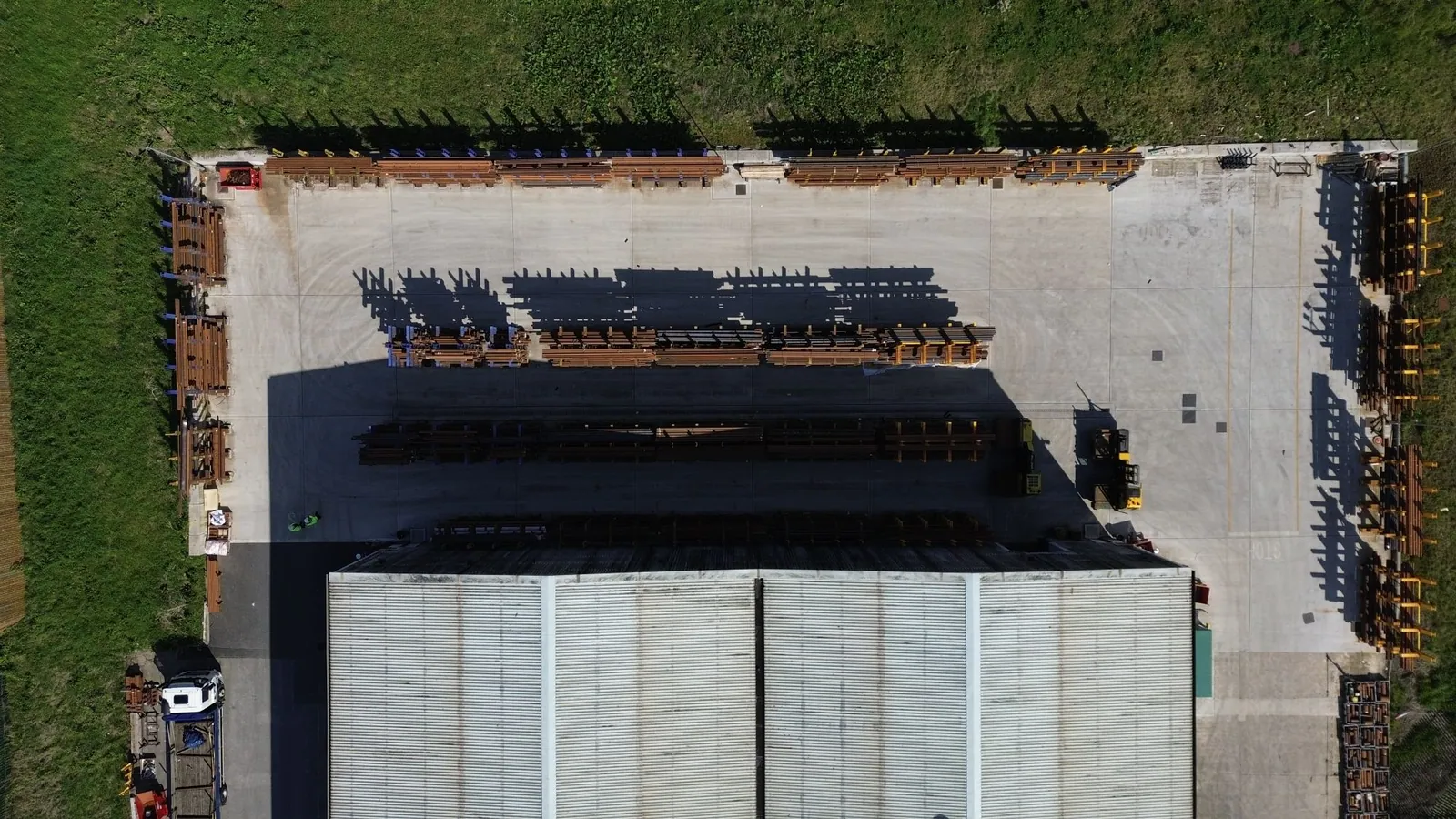
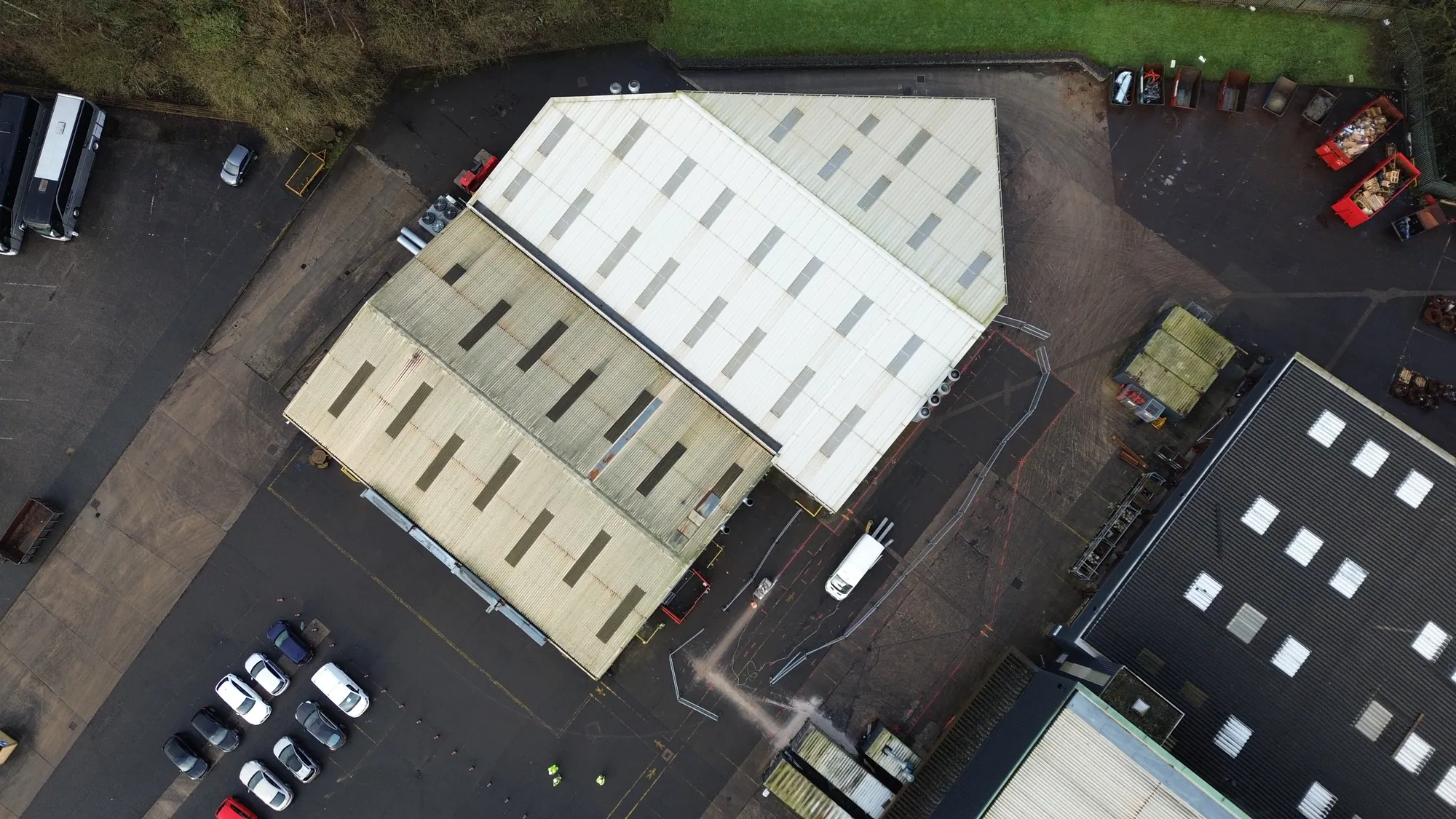
The guys have been brilliant from start to finish... Thanks again to all the team and really appreciate the work you have done for us. Who knows you may end up at another AVK site in the future...

On Leeds coalfield ground a dig can meet coal seams and colliery spoil. PKB Civils takes on that ground as a specialist earthworks contractor for commercial and industrial sites: our own crews and plant come from Rochdale to dig out, fill and level ground for new yards and building platforms, phased around a working site, once we've walked the ground.
For Leeds site managers who need ground dug out for a new yard, a plot levelled for a building, or spoil dealt with without a queue of lorries at the gate. Our own operators and machines do the digging and compaction, and hand the formation over ready for whatever is built on it.
In Leeds the first question for a dig is often about coal. A permit from the Coal Authority, which now trades as the Mining Remediation Authority, is needed before capping or filling a mine, drilling through a coal seam or building over or near a mine entrance, and digging into a seam needs a separate incidental coal agreement. That paperwork is the first thing we plan a Leeds dig around. Our earthworks service covers bulk digs, cut and fill and muck-away.
Everything we can take on for you. Not sure which you need? Send your brief and we will tell you.
Ground taken out to the formation a new yard needs on Leeds coalfield plots, with the dig programmed around the coal paperwork.
Send your briefMaterial moved across a plot to the levels a building or yard needs, using dug ground as fill only where your engineer has cleared it.
Send your briefMaterial that can't stay, such as colliery spoil unfit for reuse, loaded and taken off site for disposal.
Send your briefWeak ground under a planned yard stabilised in place where that saves digging it out, and the lorry runs through the estate that would go with it.
Send your briefGranular sub-base laid and compacted in layers, then trimmed to the levels and falls the slab above will need.
Send your brief
The same people survey, plan and build your job, and your site keeps running while we do it.
Send your briefIf the dig meets coal nobody expected, that face stops, the find is recorded and the plant moves to another part of the plot while the paperwork is sorted. With our own people on site, that call is made with you on the day.
At a springs manufacturer in Rochdale we compacted the dug material into a pit on site instead of taking it away. On a Leeds plot, colliery spoil is set aside as it comes out for your engineer to assess, and only what they clear stays as fill.
The formation is set to the falls the yard's drainage needs, which on a redeveloped Leeds yard includes room for the attenuation the council's runoff cut calls for (drainage in Leeds), so the next trade doesn't dig it out again.
Send us a short brief and a few photos. If it's a good fit, we'll arrange a free site survey and plan the work around how your site runs.

The coal reports and spoil risks that set an earthworks programme on Leeds coalfield ground.
Major development in the Coal Recovery Area needs a Coal Recovery Report to be validated, under the council's advice note, whose list of wards in the active coalfield includes Burmantofts and Richmond Hill, Killingbeck and Seacroft, Temple Newsam, Beeston and Holbeck, and Morley North and Morley South.
Colliery spoil in the district typically produces leachates high in acidity, sulphate and heavy metals, the BGS says, which you don't want under a new yard or beside a drain.
A muck-away out of a Cross Green or Stourton plot shares the estate roads with the neighbours' HGVs, so clean material that can stay on site as fill keeps those runs down.
Ben's warning is that water washing sub-base out from under a slab leaves voids long before the surface sinks, so a Leeds formation is built to keep water out of the sub-base from the start.
The jobs closest to Leeds, with this kind of work first.
Feedback from the people who run these sites, shown with the job we did for them.
The guys have been brilliant from start to finish... Thanks again to all the team and really appreciate the work you have done for us. Who knows you may end up at another AVK site in the future...
Really impressed with your team and how you kept the yard open, the new works look fantastic. Brilliant job.
Thanks so much to the team, great work as always. The yard is already making a difference to how we move around site.

Leeds has made the whole of its surface coalfield a Coal Mineral Safeguarding Area under its Natural Resources and Waste Local Plan. Where a non-householder development goes through planning, the plan's coal policy says coal on the site should be removed before or during development, unless that isn't economically viable or environmentally acceptable, the need for the development outweighs it, or the coal won't be sterilised. So the first question on a plot that needs planning is whether any coal under it has to be worked out first. If it does, the dig plan changes, so that question is settled with your engineer before any price.
The coalfield rock is Coal Measures, layers of sandstone, siltstone and mudstone in turn with coal between them, as the BGS lexicon describes it, so a dig can pass from one layer into the next, and into coal. Groundworks in Leeds covers what lies deeper.
What comes out of the ground needs care too. Colliery spoil in the Leeds district may be prone to spontaneous combustion, the British Geological Survey warns, so it's identified before anyone plans to bury it in a platform or leave it sitting in a stockpile on a working site.
If the plot only needs clearing, with old slabs, bases or a boundary to come out, that's enabling works (enabling works in Leeds), and the dig may be small or not needed at all. On Aire Valley regeneration plots, clearance comes before any dig.
If the yard is sound and only its surface has failed, it needs a concrete repair: Ben's point is that a filled pothole breaks up again within months when the sub-base under it has gone, and concrete yards in Leeds covers the fix, as our article on why yard potholes keep coming back explains.
And where a scheme hasn't yet been through planning, wait before pricing the dig: the coal policy and any Coal Recovery Report can change what has to come out.

Postcode districts in Leeds and West Yorkshire where we've delivered: LS9, LS14, LS27, WF2, WF5, WF17.
See them on the map
Can't see your question? Call us or send your brief and we'll come back to you.
Send your briefNo. The permit covers capping or filling a mine, drilling boreholes through a coal seam, and building over or near a mine entrance. A yard dig that does none of those doesn't need a permit, but digging into a coal seam needs a separate incidental coal agreement. Where a permit is needed, the work isn't scheduled until the certificate is issued, so the application is best made as soon as the need is known.
Only through planning. The coal policy applies to non-householder development that goes through a planning application, so an extension that needs permission comes under it, and a Coal Recovery Report is only asked for on major development in the Coal Recovery Area. The Coal Authority's permit and agreement are separate from planning. Whether a small dig meets coal at all depends on the site.
Your engineer or ground investigation, before the earthworks are priced. In the Leeds district that matters, because colliery spoil can be unsuitable under a yard or in a platform. Once the assessment is done, we reuse what it allows as fill or compact it back into the site, and take the rest away for disposal.
Yes, by cut and fill to the levels the building needs, using dug material as fill where your engineer has cleared it. On a plot near the river, the floor level is set first by the council's flood standards, which drainage in Leeds covers, and the platform is built to that.
Usually. The dig is fenced off and phased so vehicle routes and deliveries stay clear, and the working area is kept swept. On a Leeds coalfield plot the phasing also works round any coal paperwork still being arranged, so the parts of the site it doesn't touch can go first.
Tell us what's happening on site. We'll review your brief and, if it's a good fit, arrange a free site survey.