Really impressed with your team and how you kept the yard open, the new works look fantastic. Brilliant job.

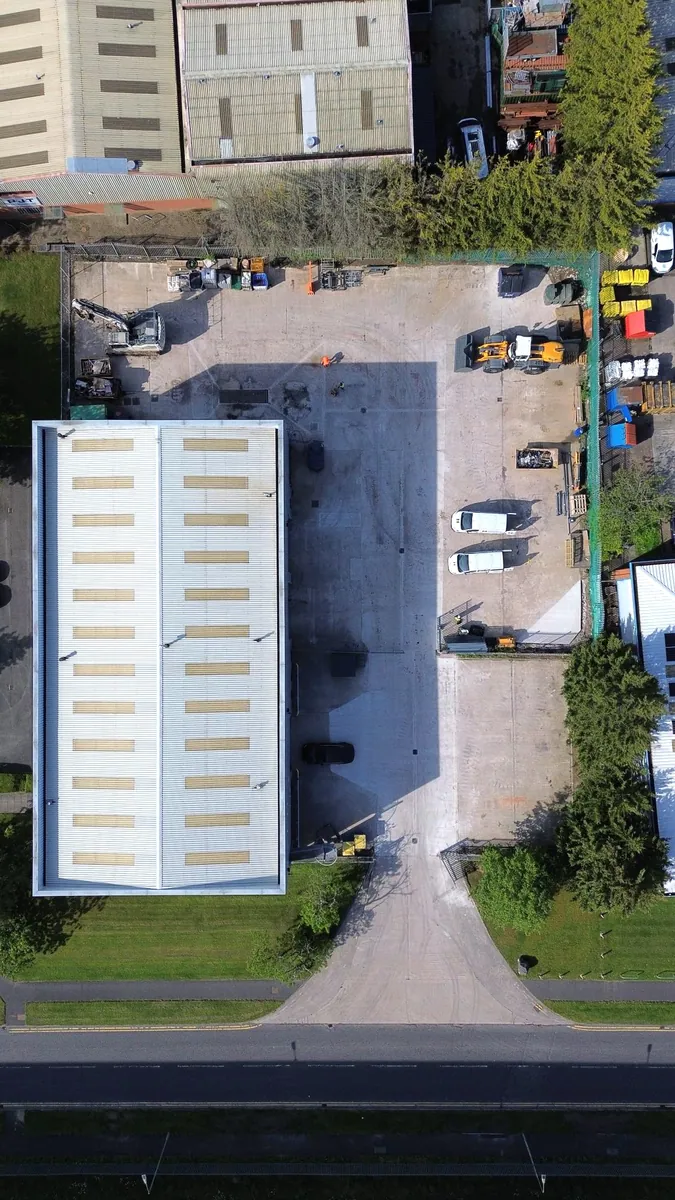
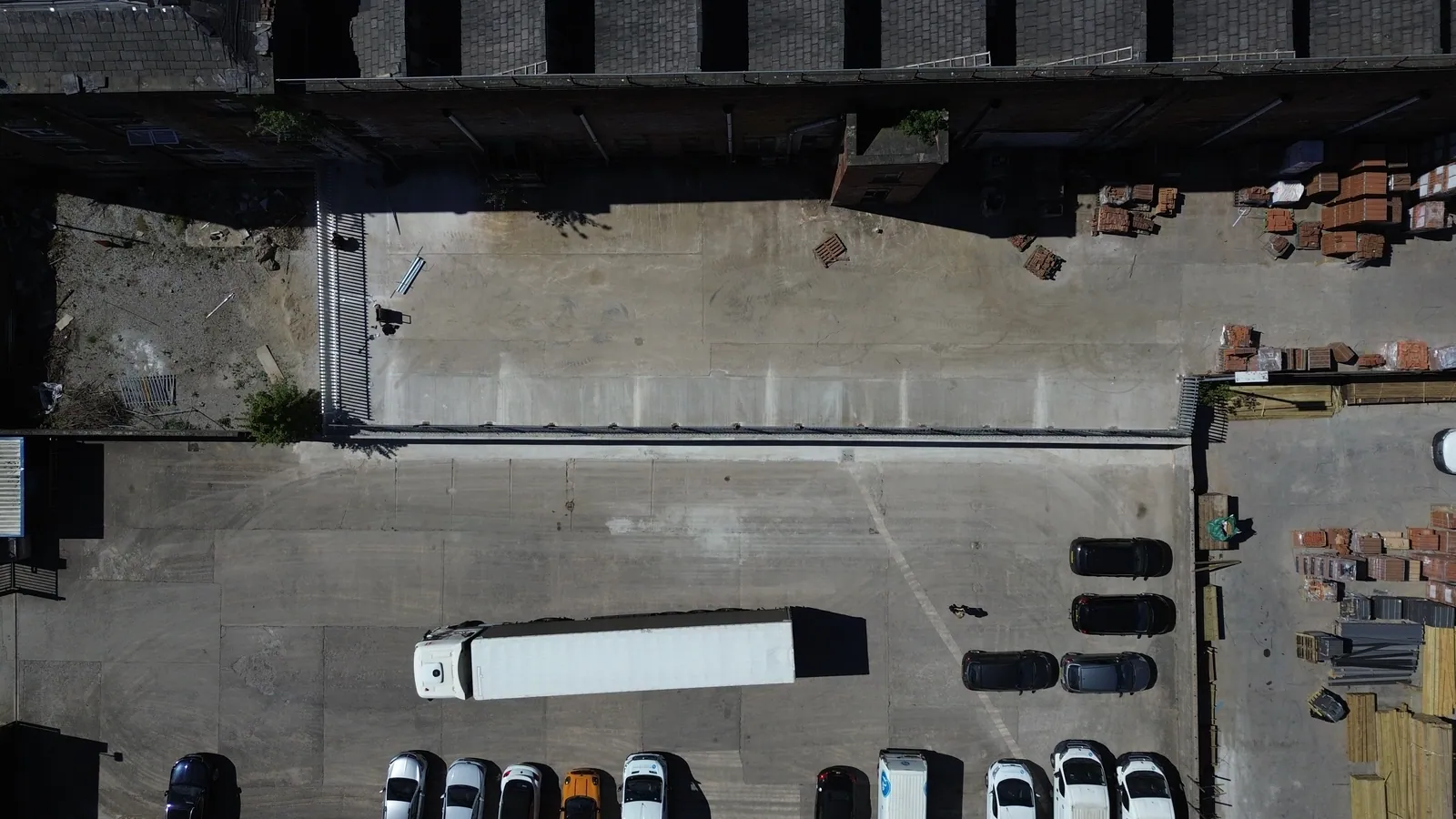
Yard extension and retaining wallBolton, Builders merchantsSee the job

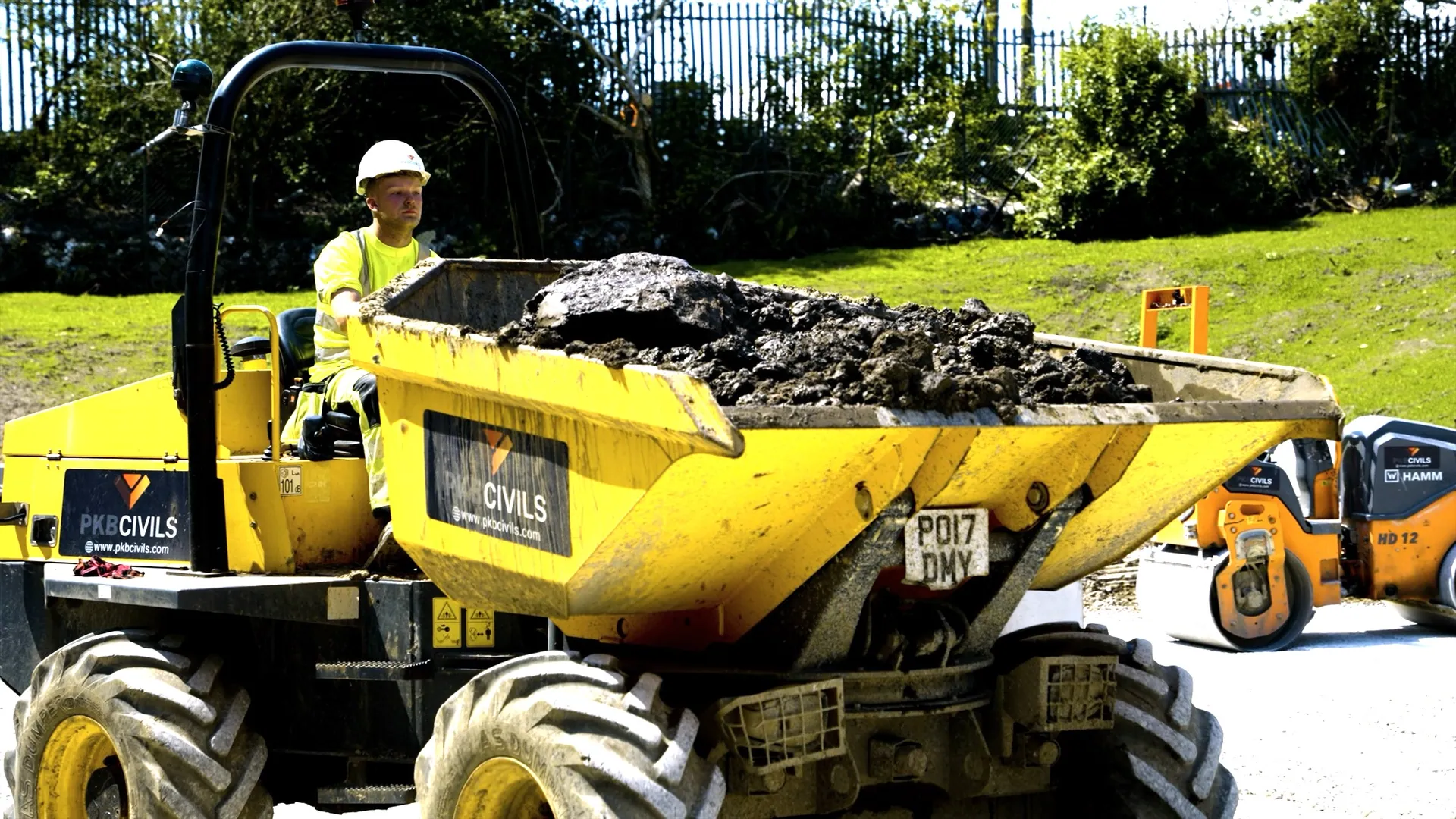
For commercial and industrial sites in Liverpool, Halton and St Helens, where dug ground can be old dock fill or, in Halton, galligu, PKB Civils is a specialist earthworks contractor. We cut, fill and level with our own crews and plant from Rochdale, after a free site survey, and keep on site whatever the tests say can stay.
For site managers and developers who need a yard dug to formation, a plot brought to level, or spoil sorted out before the next trade arrives. Our crews do it with our own plant and can carry straight on with the drainage, sub-base and concrete. The full list of what we do is on our earthworks service page.
On Merseyside, what the dug material is decides a great deal: dock fill, colliery spoil or, in Halton, chemical waste. It settles whether the material stays on site or leaves on a lorry, and how many lorries a working yard has to put up with.
Everything we can take on for you. Not sure which you need? Send your brief and we will tell you.
Earthworks on Halton plots carried out to the site's remediation strategy, with treated ground placed and compacted where the design keeps it.
Send your briefFill dug from old dock land tested before any of it goes back under a yard, since mixed fill rarely behaves the same way twice.
Send your briefPlatforms and levels set out on former colliery land in St Helens borough, around tipped spoil instead of straight through it.
Send your briefYards reduce dug to formation, with the subgrade tested before any sub-base goes down, whether it is natural ground or old dock fill.
Send your briefSuitable dug soil compacted back into levels or a pit, so fewer lorries cross a working Merseyside yard or its estate roads.
Send your brief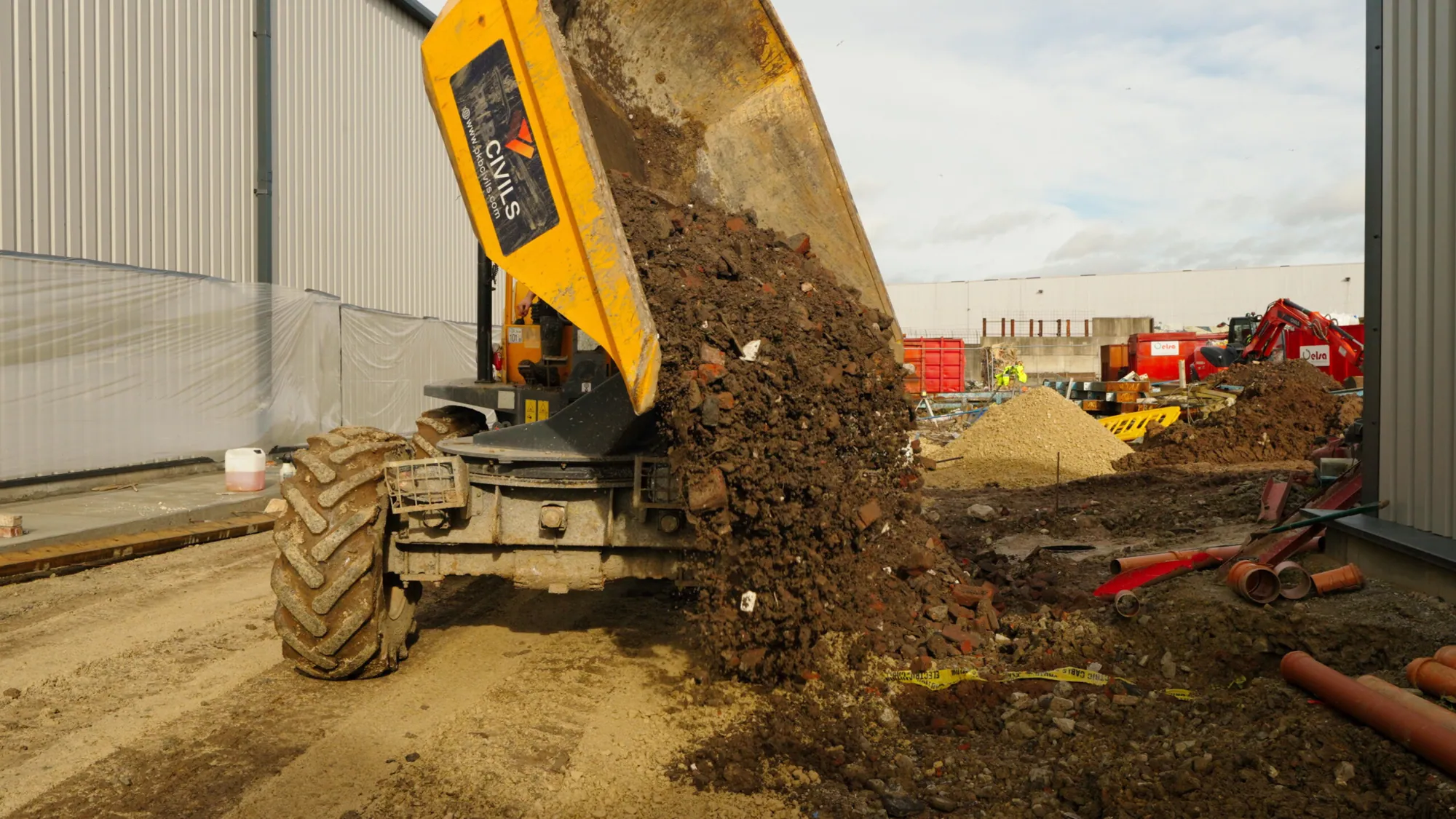
The same people survey, plan and build your job, and your site keeps running while we do it.
Send your briefOn a Halton or dock-fill dig, material is sampled as it comes out and kept apart until the results are back, then reused, treated or sent away. That keeps clean spoil from being mixed with contaminated ground and paid for as waste.
Ben's point is that emergency work lands at the worst moment, in a delivery peak or a stock move, while planned work can be fitted round them. So plant and muck-away runs are agreed with your site team before we start.
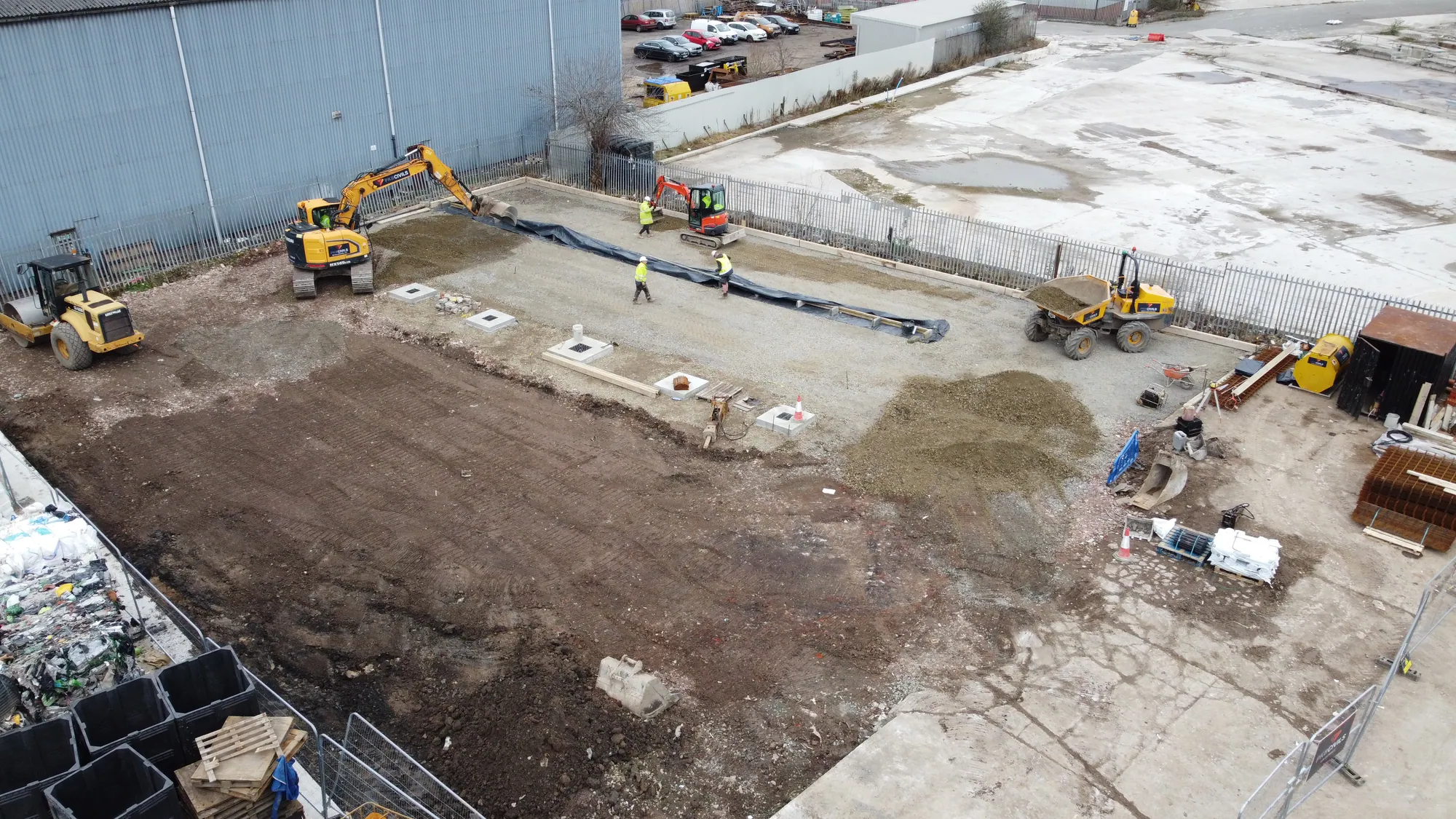
Before a new yard's sub-base goes down, the formation is tested with plate bearing and CBR tests, as we did on AVK's yard in Hyde, so the levels and falls are built on known ground.
Where dug soil is suitable it goes back into the site, compacted into levels or a pit, as it did for a springs manufacturer in Rochdale, and every load kept back is one less lorry through the gate.
Send us a short brief and a few photos. If it's a good fit, we'll arrange a free site survey and plan the work around how your site runs.
Ground and site conditions that change an earthworks plan on Merseyside, and where each is recorded.
At Parkside West in Newton-le-Willows, the St Helens Local Plan leaves 12.1ha occupied by a spoil heap out of the 79.57ha allocated for employment, as not developable. A spoil heap like that shapes a site's layout as well as its levels.
Where there is drift over the sandstone it is mostly boulder clay, with blown sand by the airport, as groundworks in Liverpool sets out. Wet clay and loose sand both limit what can be reused and how steep a cut will stand.
On land with a chemical works or dock history, a site investigation can miss pockets of contamination. Anything unexpected in the dig is set aside, recorded and tested before work goes on, so it isn't spread across the site.
Once dug soil has gone off site as waste, the chance to reuse it has gone with it. On Merseyside plots with a lot of fill, the reuse route is settled in the earthworks plan before the first load leaves.
The jobs closest to Liverpool, with this kind of work first.
Feedback from the people who run these sites, shown with the job we did for them.
Really impressed with your team and how you kept the yard open, the new works look fantastic. Brilliant job.
The fact you have a road sweeper coming on-site to clean up, is very much appreciated and shows attention to detail. Your team always work clean and tidy, and what really stood out is their communication and the fact nothing is too much trouble. The concrete repairs exceeded my expectations and should make the area much safer to work in.


Really happy with the result. Your team were great to have on site and we were trading throughout which was important. Thank you.

In Halton, dig and you may meet galligu. Halton Borough Council's strategy for 2008 to 2013 named it as the borough's main contaminant: a sulphurous mud left by the caustic soda and soap industry, usually tipped up to 5m deep on low-lying marsh beside the Mersey, and widely spread across the borough. Galligu that comes up in a dig is tested and handled as contaminated material, whether it stays on site or goes.
The council's stated approach was to treat contamination and leave it safely within the development, and cement stabilisation of galligu has been accepted by the Environment Agency and used on several Halton sites. So on Halton land the earthworks are planned around what can stay, with the council's current position checked for the plot before any digging is priced.
Across the river, the city council records that the former International Garden Festival site was landscaped with material re-used from the landfill beneath it, as part of remediation for up to 1500 new homes. A yard job is far smaller, but the principle holds: testing decides what stays, and only the rest goes on a lorry out of the gate. On a Merseyside yard job, that test comes before any muck-away is priced.
If the ground is contaminated, digging it all out may not be the answer, and it isn't a decision for the earthworks contractor alone. Where remediation is needed, that strategy is agreed with the council first, and the earthworks are planned around it.
If a yard only has a few soft spots, digging them out and making good the sub-base is a repair job. Fill a hole over a failed sub-base and it breaks up again within months, as what actually works on yard potholes explains; concrete yards in Liverpool covers the repair.
And a few loads from a small dig don't need an earthworks crew at all. A grab lorry is the simpler answer.
Postcode districts in Merseyside, Cheshire and Warrington where we've delivered: CH2, CH4, CH65, L8, L20, L30, WA1, WA3, WA7, WA9, WA11.
See them on the map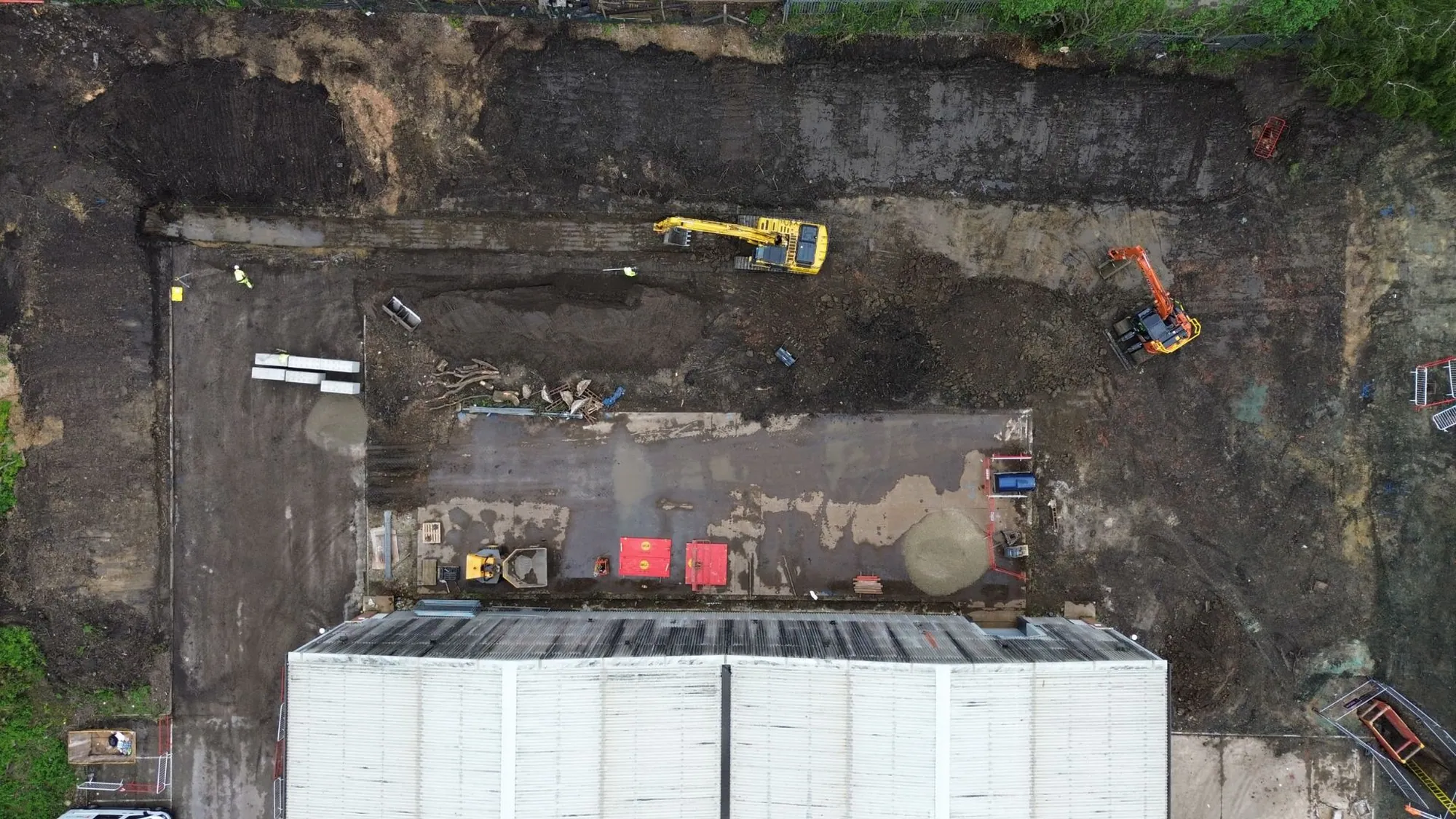
Can't see your question? Call us or send your brief and we'll come back to you.
Send your briefYes. Earthworks there start with trial pits and testing before any muck-away is priced, because the council's strategy calls Halton one of the most chemically contaminated boroughs in Britain, a legacy of the Victorian chemical industry, and what comes out of the ground can't be assumed clean. Our crews and plant travel from Rochdale for each job, and the same people carry it through to the finished levels.
Possibly. Some treatments leave contaminated ground strong enough to reuse as aggregate in road building and foundation works, Halton's strategy says. Whether treated galligu suits a particular yard is for the remediation design and the ground tests, which the earthworks then follow.
Sometimes. Fill dug from old dock land is tested before any of it is reused: what passes is placed and compacted in layers under the new sub-base, and what fails is taken away. Keeping the good material on site also cuts the lorry runs through a working Merseyside yard.
Partly. On contaminated ground in Halton or on old landfill, the strategy decides what can stay and where, so the bulk earthworks follow it. Clearing the surface, setting out and trial pits can usually start sooner, so the programme isn't left waiting on the paperwork.
Yes. The same crews take the formation to level, test it and lay the sub-base to the falls the slab needs, so the concrete can follow straight on without another firm re-levelling the site, and one team answers for the ground the yard sits on.

Ben has over 10 years of experience in contracting management, specialising in pre-construction with some of the UK's largest contractors. Ben now leads pre-construction, project planning and client engagement.
Tell us what's happening on site. We'll review your brief and, if it's a good fit, arrange a free site survey.