
Really happy with the result. Your team were great to have on site and we were trading throughout which was important. Thank you.

Yard extension and retaining wallRochdale, Builders merchants, 3 weeksSee the job

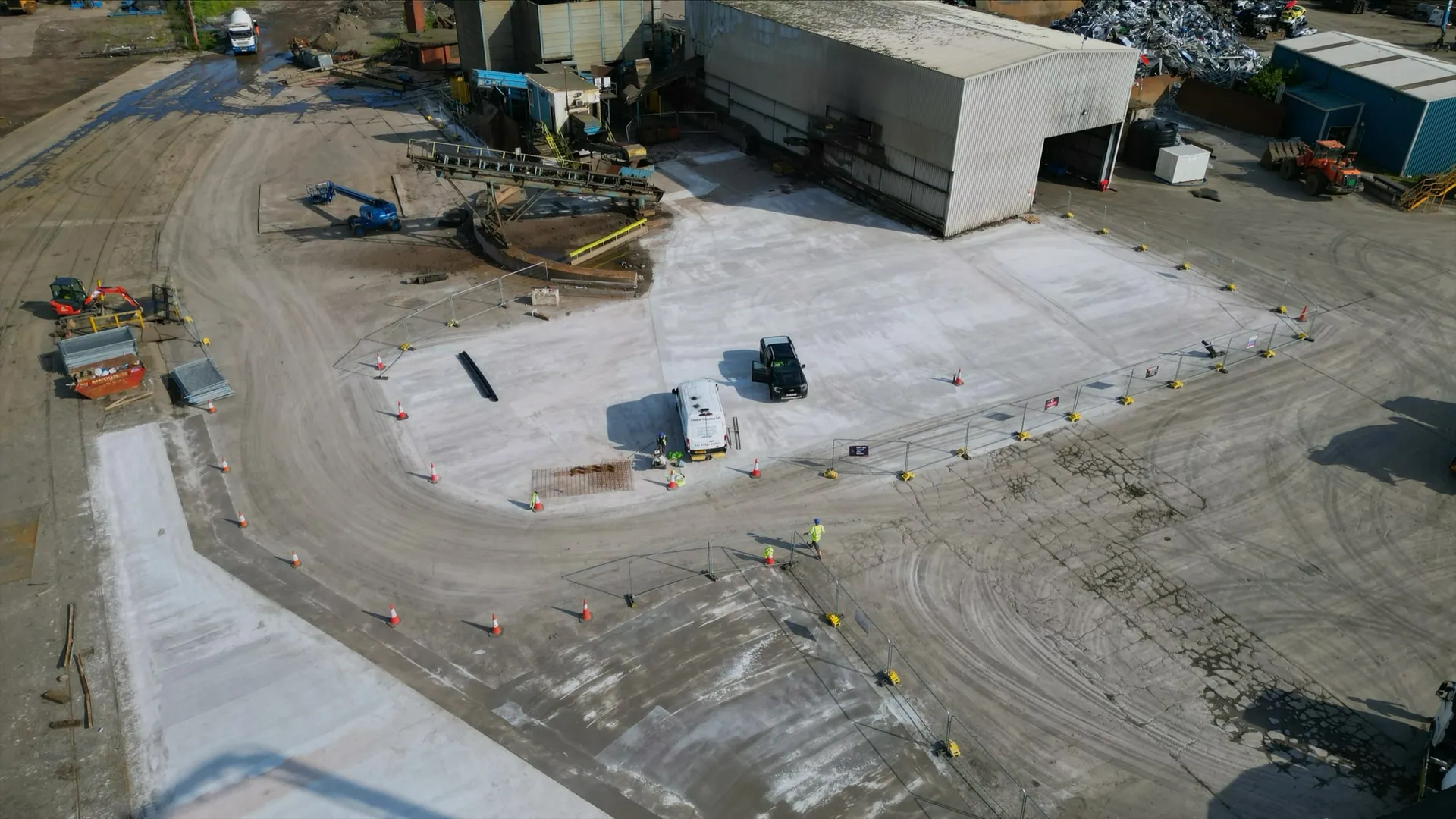
PKB Civils is a specialist concrete yard contractor for merchants, depots and trade sites on London's industrial estates, from the Lee Valley to Park Royal. Failed slabs come out and reinforced ones go in a section at a time, laid by our own Rochdale crews so the yard keeps trading, after a free survey that fixes the phasing.
For merchants, depots and trade sites on London's industrial estates, from the Lee Valley to Park Royal and the Thames Gateway, whose yards carry forklifts, stock and HGVs while they're repaired. Ready-mix firms supply the concrete. We're the contractor that breaks out the failed yard, puts right what's under it and lays the new slab, in sections so the gates stay open.
Our delivered postcode districts in London include EN3, IG11, SE6 and SW11. The London case study below is a merchant's yard in Enfield, and our concrete yard work covers new yards, resurfacing and concrete yard repairs, from a few failed bays to a whole yard.
Everything we can take on for you. Not sure which you need? Send your brief and we will tell you.
Failed bays broken out and relaid one section at a time, so a London trade counter keeps its yard open while the worst part is rebuilt.
Send your briefReinforced slabs for trailers, HGVs and forklifts on depots in the Lee Valley, Park Royal and the Thames Gateway estates, laid for the wheel paths they carry.
Send your briefReinforced entrance slabs and loading bays, the parts of a London yard every lorry crosses, phased so the gate stays usable.
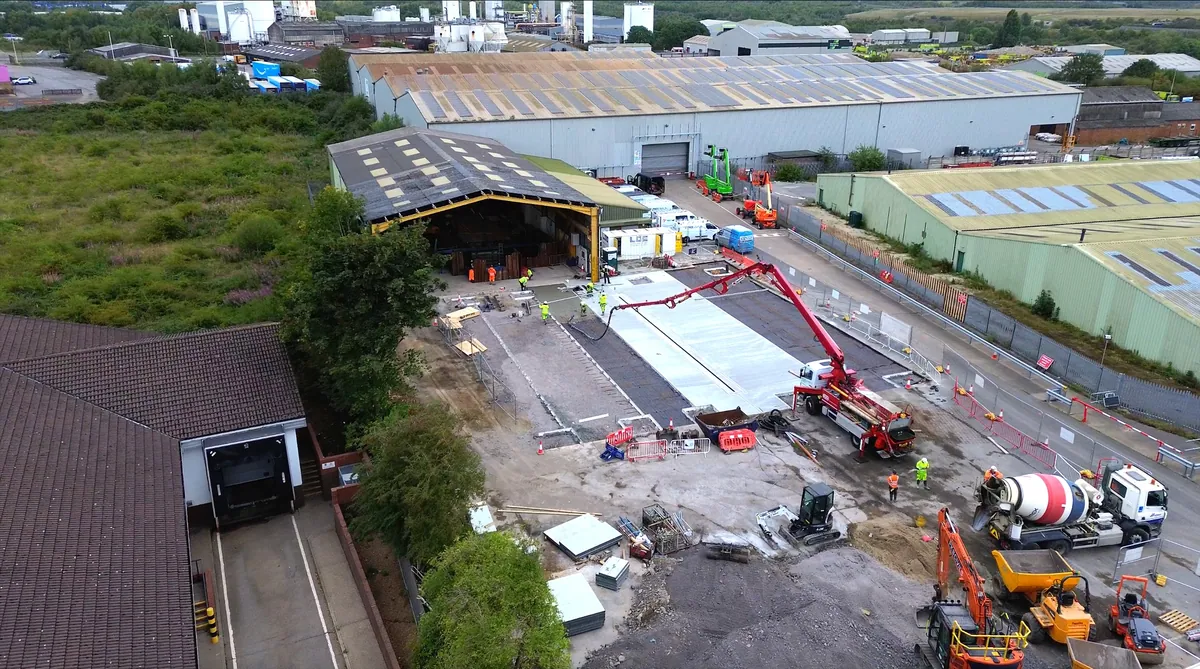
Send your briefPump position, mixer arrivals and the size of each pour planned at the survey, so a London pour is finished within the working day.
Send your briefNew slabs laid to falls towards channels, with the drainage designed alongside, since a new or enlarged London yard may need to show where its run-off goes.
Send your brief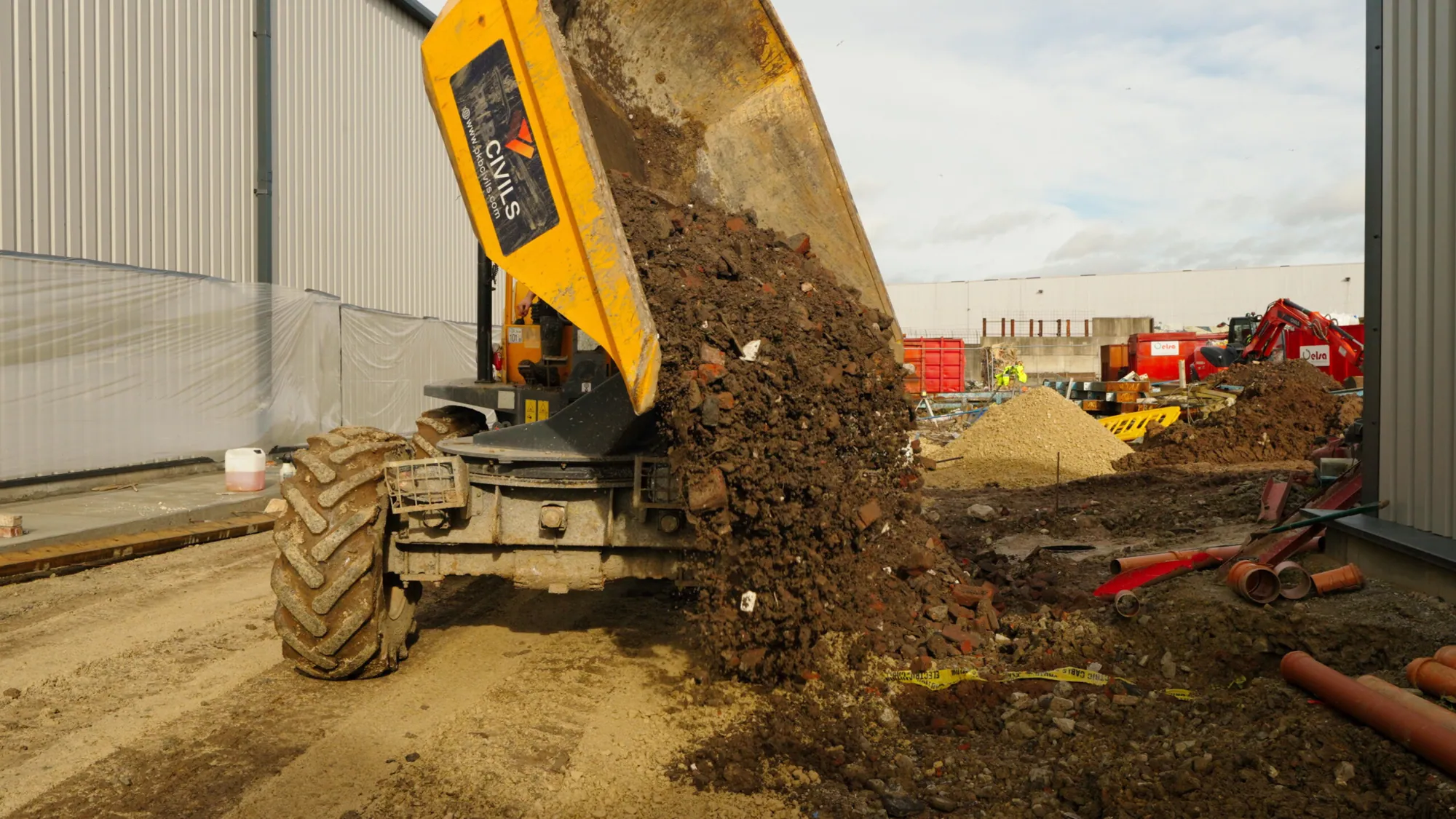
The same people survey, plan and build your job, and your site keeps running while we do it.
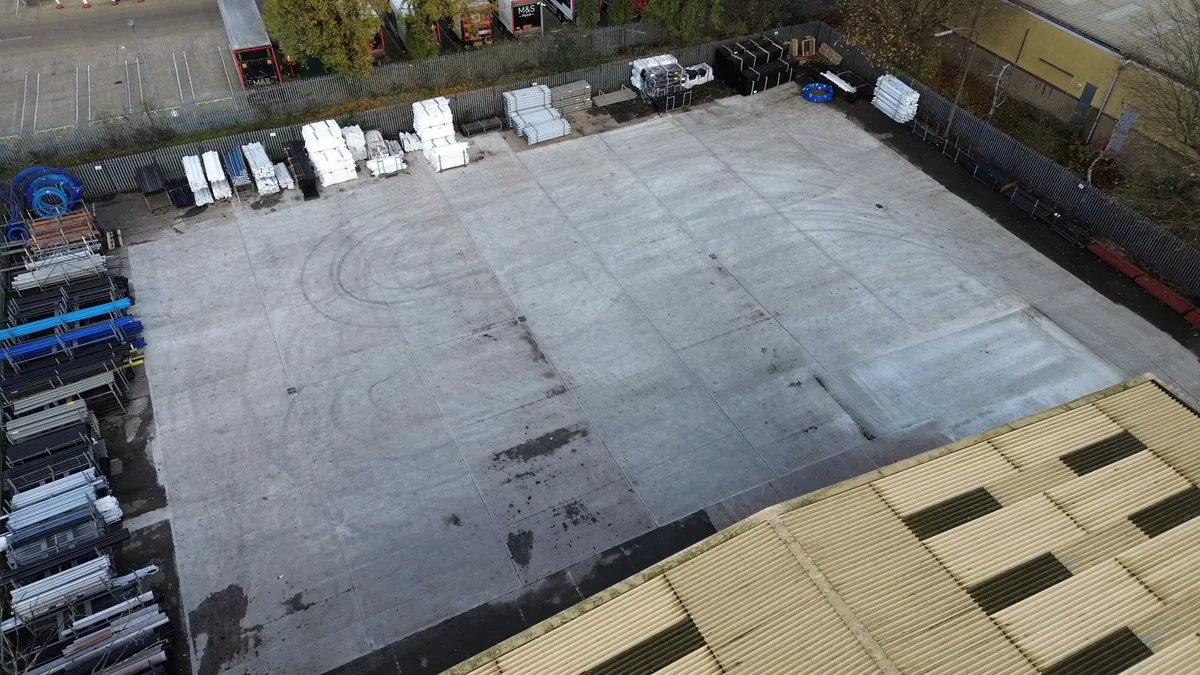
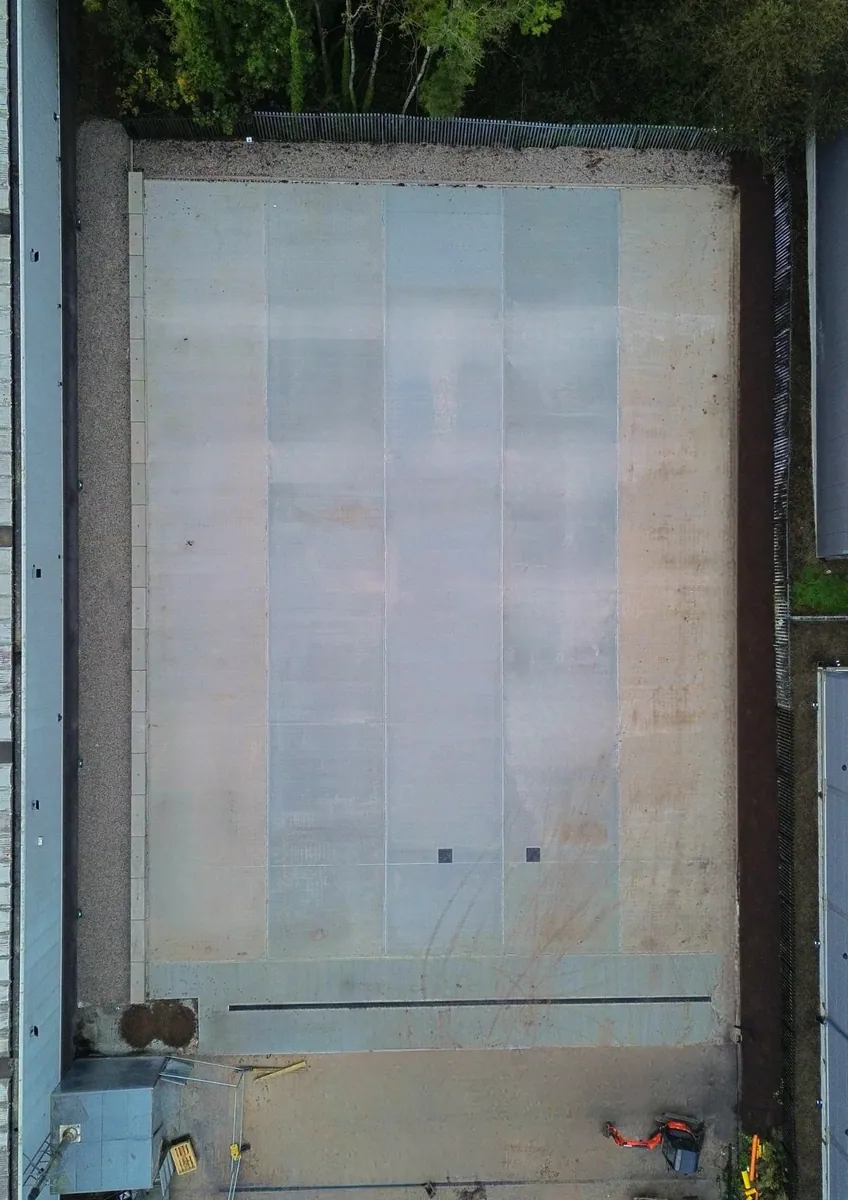
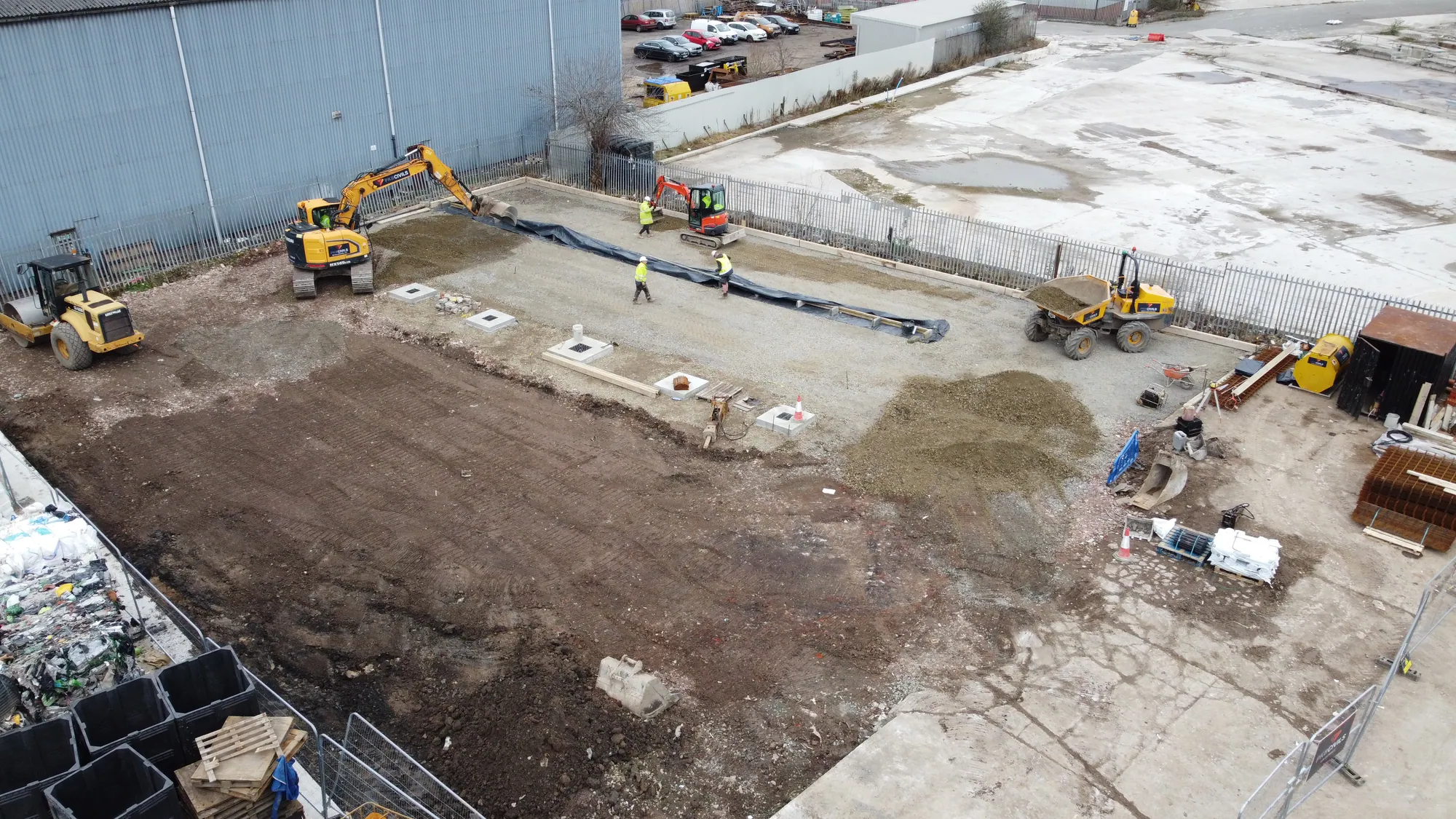
Send your briefThe yard at this London trade site in Enfield had fallen into serious disrepair: plant couldn't move around freely, and staff and customers storing and handling materials faced safety risks. We removed 1,000m² of failed surface and laid new 200mm mesh-reinforced slabs over four weeks, phased in sections so completed areas went back into use while the next was under way, and not a day of trading was lost. The site manager's verdict was that the yard is great, staff can move around and they've got their space back.
Each slab is designed around the vehicle weights and the ground found at the survey, and for an HGV yard that typically means at least 200mm of reinforced concrete with A252 mesh. On logistics land in the Lee Valley or the Thames Gateway, that's the traffic a repair has to stand up to.
We have our own saw cutting division, so the joints in a new London slab are cut by our people when the concrete is ready for them, in the places the design sets.
Send us a short brief and a few photos. If it's a good fit, we'll arrange a free site survey and plan the work around how your site runs.
The faults we look for when a merchant or depot yard in London is breaking up, and what each one usually means.
On a worn London yard, cracks that track the joints and slab edges are usually load. The ones that wander across the middle of a bay are, in Ben's experience, more often frost or a sub-base that has shifted. On London Clay the ground can move too: see groundworks in London.
Under the London Lorry Control Scheme, HGVs over 18 tonnes keep to the Excluded Route Network from 9pm to 7am on weekdays and from 1pm Saturday unless permitted, so mixer weights and times are checked with the supplier first.
In Ealing, work outside the council's standard hours needs prior approval through a Section 61 consent or dispensation, and any council can set a site's hours by notice, so a big London pour is planned to finish within the day.
If part of a London yard sounds hollow underfoot, voids have probably opened under the slab. Ben's advice is to investigate straight away, since what lies under it decides how big the repair is and how many sections the yard gives up.
The jobs closest to London, with this kind of work first.
Feedback from the people who run these sites, shown with the job we did for them.
Really happy with the result. Your team were great to have on site and we were trading throughout which was important. Thank you.
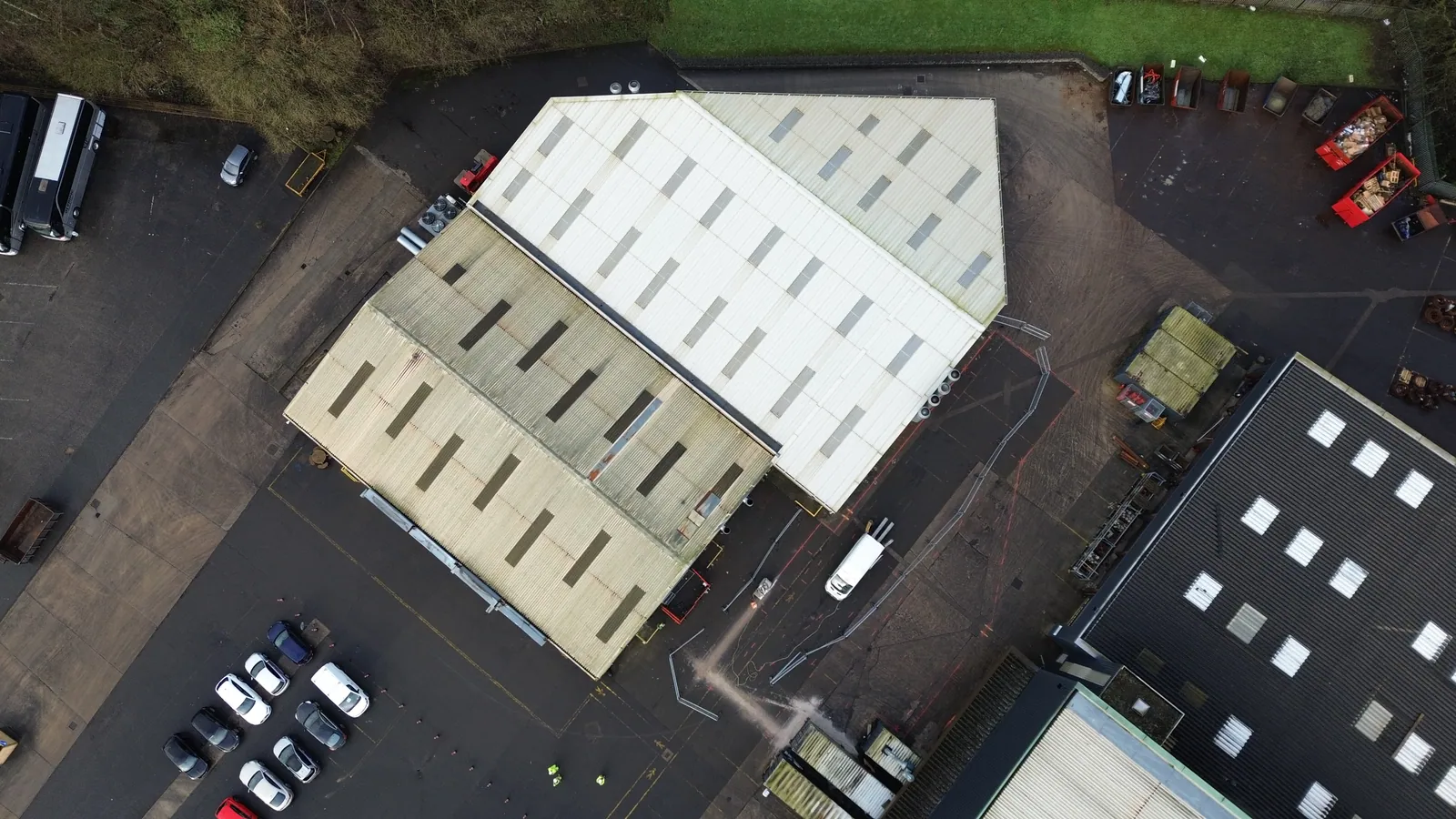
The fact you have a road sweeper coming on-site to clean up, is very much appreciated and shows attention to detail. Your team always work clean and tidy, and what really stood out is their communication and the fact nothing is too much trouble. The concrete repairs exceeded my expectations and should make the area much safer to work in.

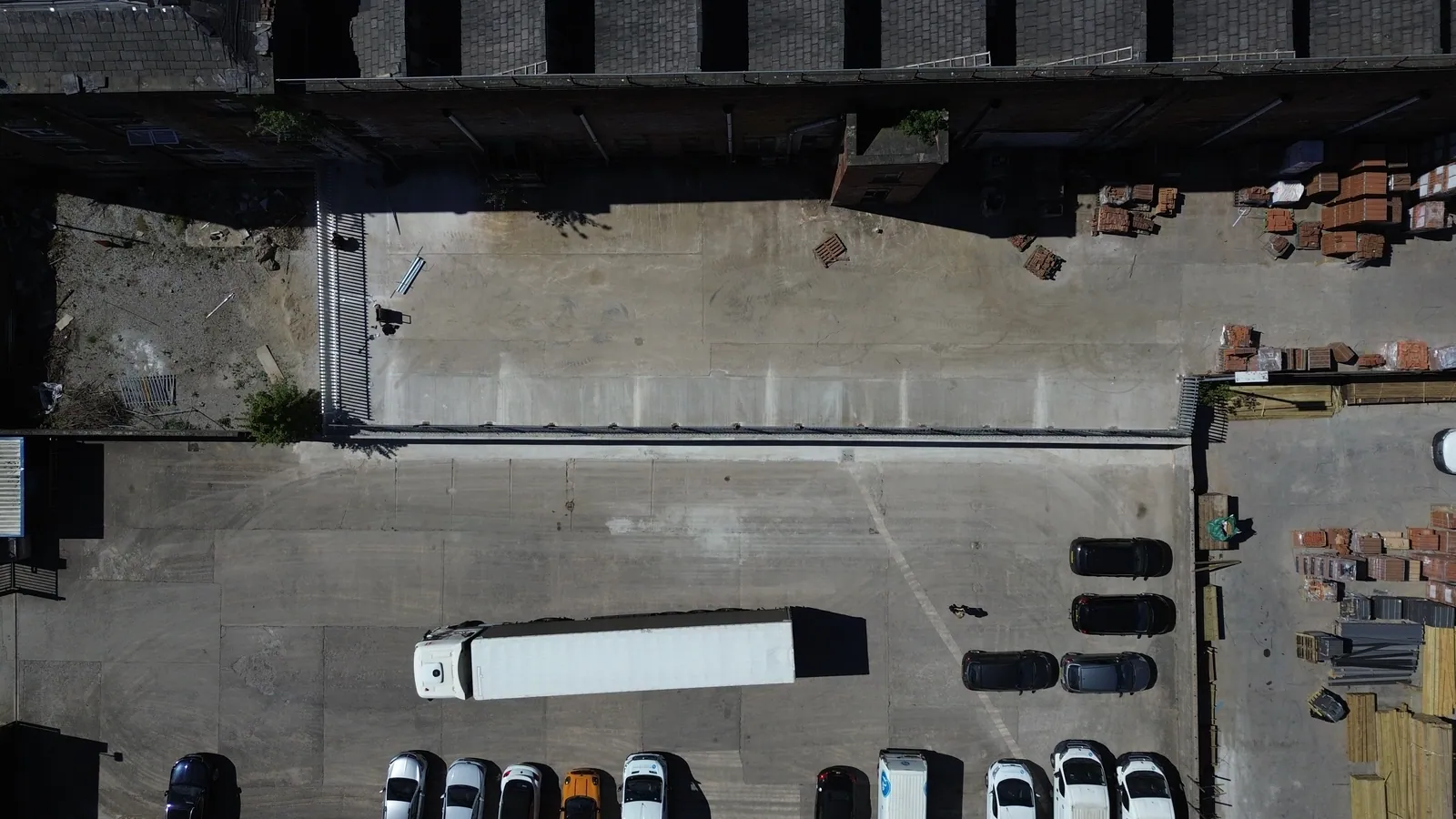
Really impressed with your team and how you kept the yard open, the new works look fantastic. Brilliant job.

Around the slab, the estate sets the load. The London Plan calls the Lee Valley ideally located for freight and logistics, straddling the North Circular and the M25, and expects it to keep an important role in industrial and logistics functions. Logistics land means HGV yards: trailers parked on the slab, tight turns at the loading doors and the same wheel paths used all day, which is where joints and edges give way first.
Park Royal, in the Old Oak and Park Royal area, is home to the UK's largest industrial estate, and Barking and Dagenham's Strategic Industrial Locations at Dagenham Dock and Rainham, River Road and Rippleside sit in the London Plan's Thames Gateway market. A yard on an estate like these is seldom quiet, so a slab repair there is planned in sections from the start, with routes for HGVs and forklifts kept open round the part being relaid.
Below the sub-base, the ground varies across London, as groundworks in London sets out, and it decides how deep the dig goes before the new slab. Above it, a London concrete job works around access from the road, a pump position that leaves the gate usable and the part of the yard that has to stay open on each pour day.
Not every tired London yard needs new concrete. Ben notes that localised repairs, joint filling and surface treatments usually need no new formwork at all, which makes them smaller jobs to fit around a trading yard, as long as the slab beneath is sound.
Where the sub-base has failed, a patch can break down again within months, which is why yard potholes keep coming back. Where standing water is the cause, the drainage has to be sorted, under London's own rules, before the slab: see drainage in London. A survey shows which of these a London yard needs before anything is priced.
Postcode districts in London and around the M25 where we've delivered: DA4, EN3, EN11, IG11, RM19, SE6, SW11, TW16.
See them on the map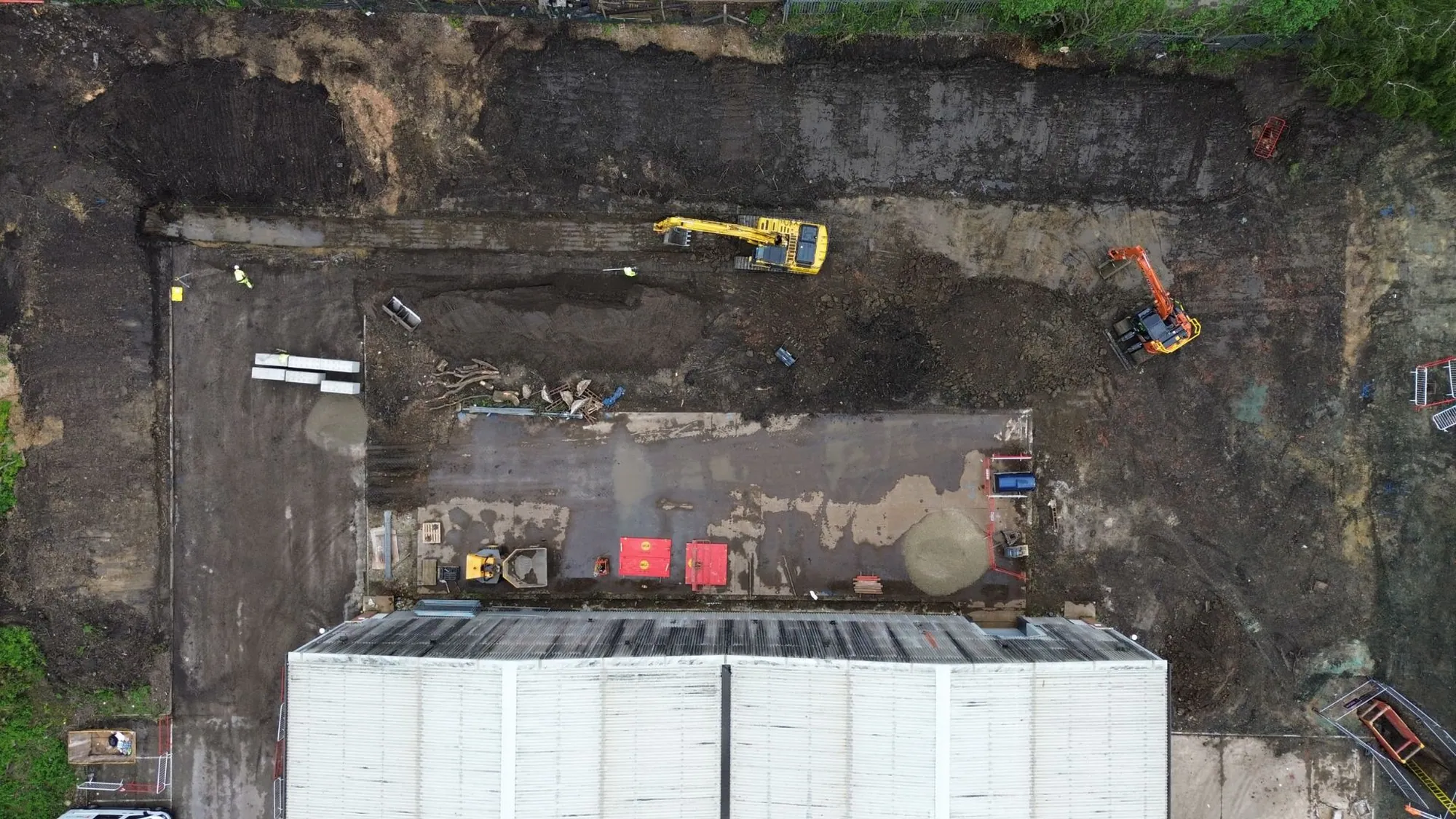
Can't see your question? Call us or send your brief and we'll come back to you.
Send your briefBy settling it at the survey. The pump position, the arrival times and the route in from the road are fixed before the pour, with part of the yard kept open for trading, and on a large yard the slab is split into smaller pours so each one is finished within the working day.
Usually in stages, worst first. In Ben's words, “Proactive maintenance does not mean overhauling everything at once.” A survey grades each part of the yard, the bays most likely to fail or cause an accident go first, and the rest is booked into quieter weeks around the busiest trading periods.
Yes. Brimsdown, Great Cambridge Road, Freezywater / Innova Park and Central Leaside Business Area are all Strategic Industrial Locations in the London Plan, in its Lee Valley market. The GLA's industrial land data puts Brimsdown in the EN3 postcode district, one of our delivered districts.
Yes, and the drainage comes with the design. A yard extension is new hardstanding, and London's planning policy normally resists new impermeable surfacing unless it is shown to be unavoidable, so where planning applies, the case for a sealed surface and the way its run-off is handled go in together. That side is covered on drainage in London.
Yes, where the job suits a yard contractor. SE6, where the GLA's industrial land data places the Bromley Road Strategic Industrial Location, is one of our delivered postcode districts. Queenstown Road, Battersea, is designated by the London Plan in the same way and lies mostly in SW8, with a smaller part in SW11.

Ben has over 10 years of experience in contracting management, specialising in pre-construction with some of the UK's largest contractors. Ben now leads pre-construction, project planning and client engagement.
Tell us what's happening on site. We'll review your brief and, if it's a good fit, arrange a free site survey.