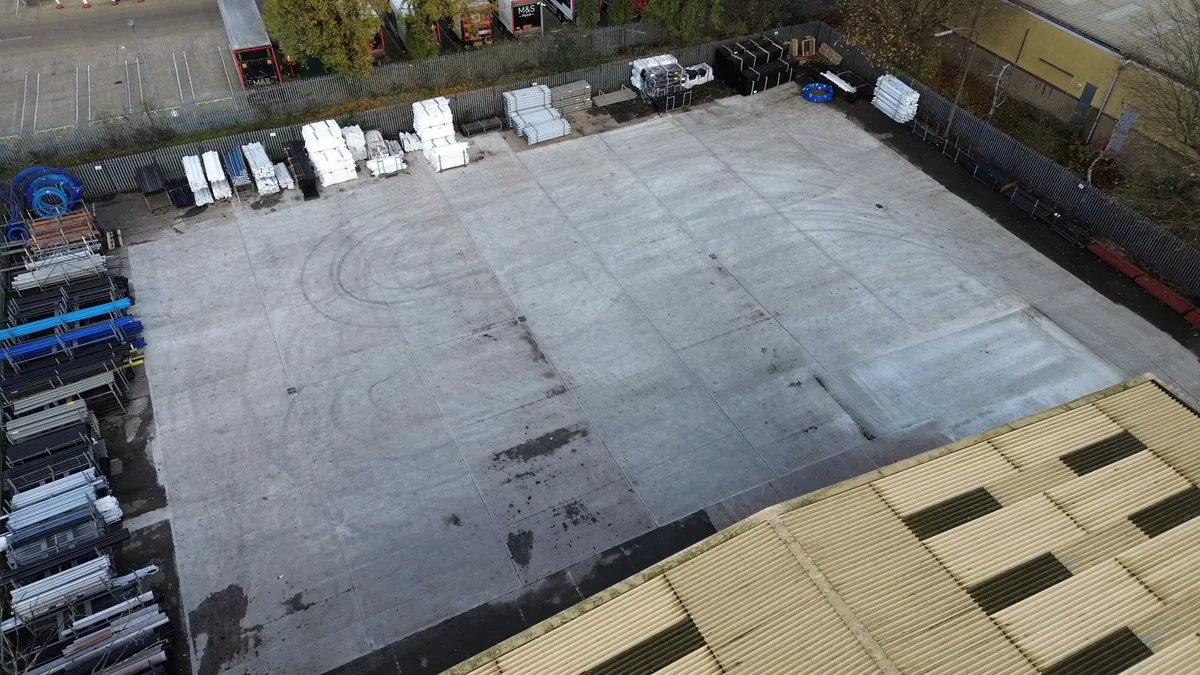
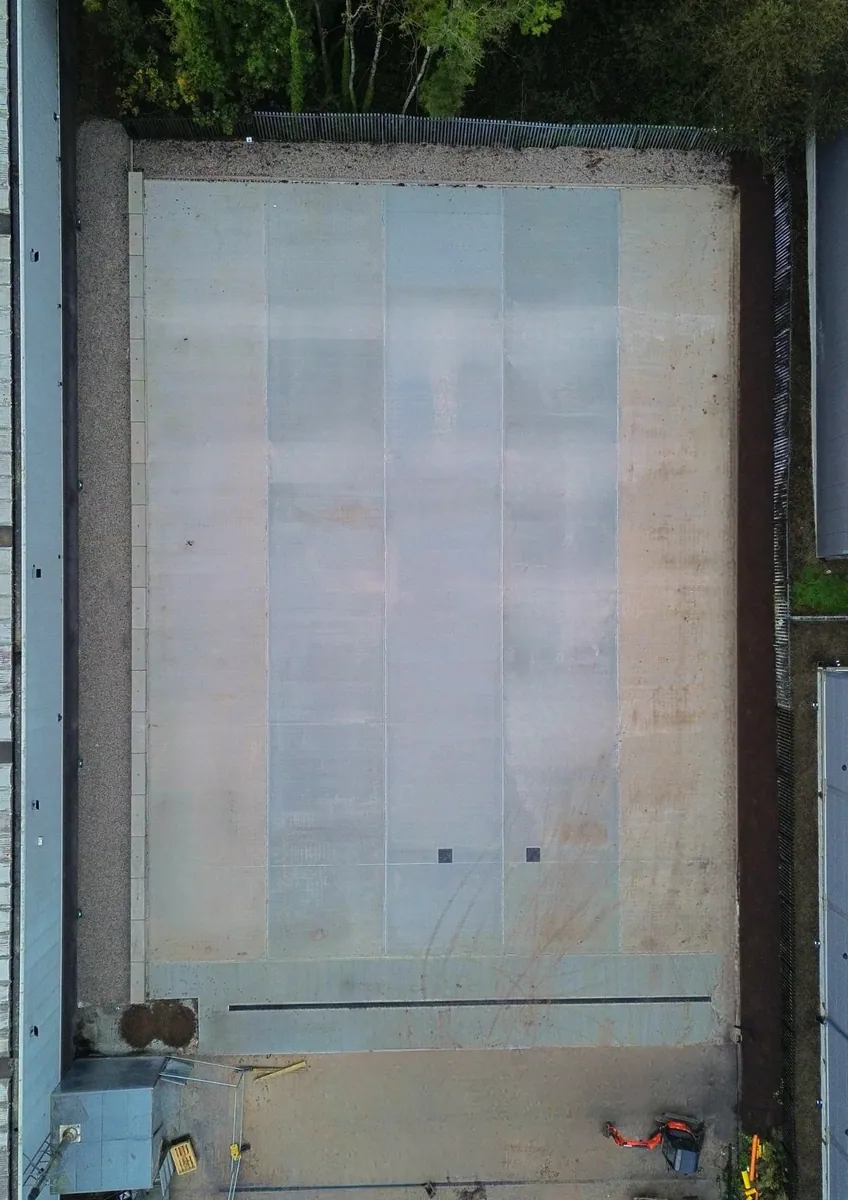
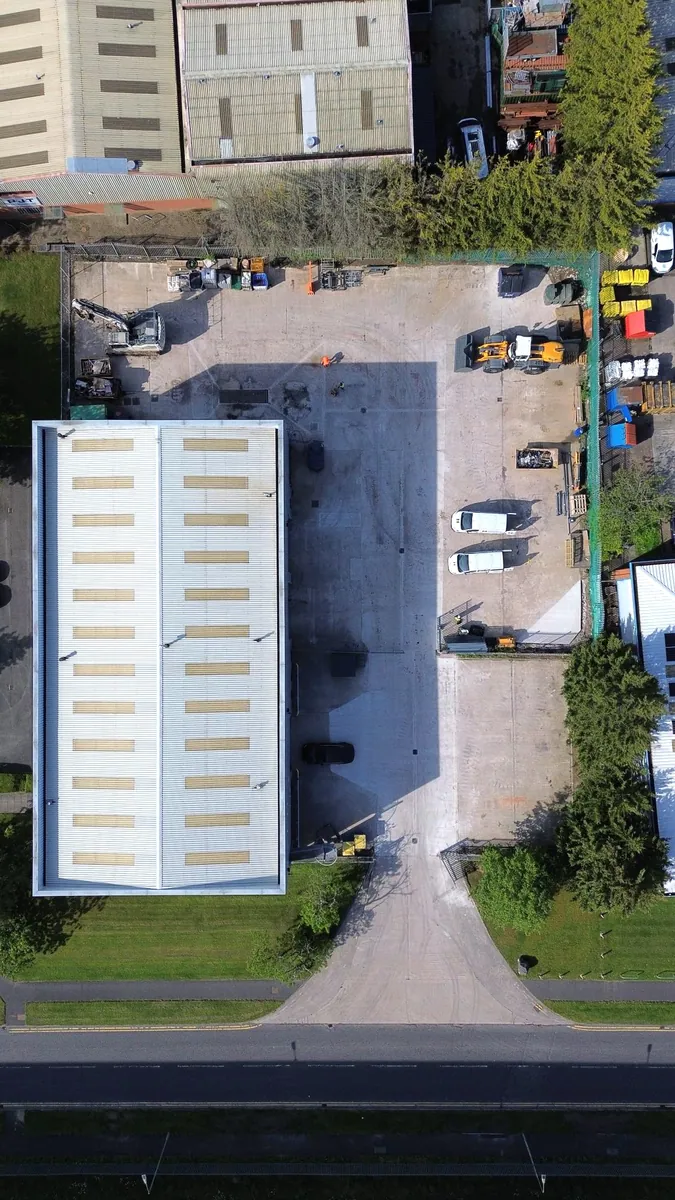
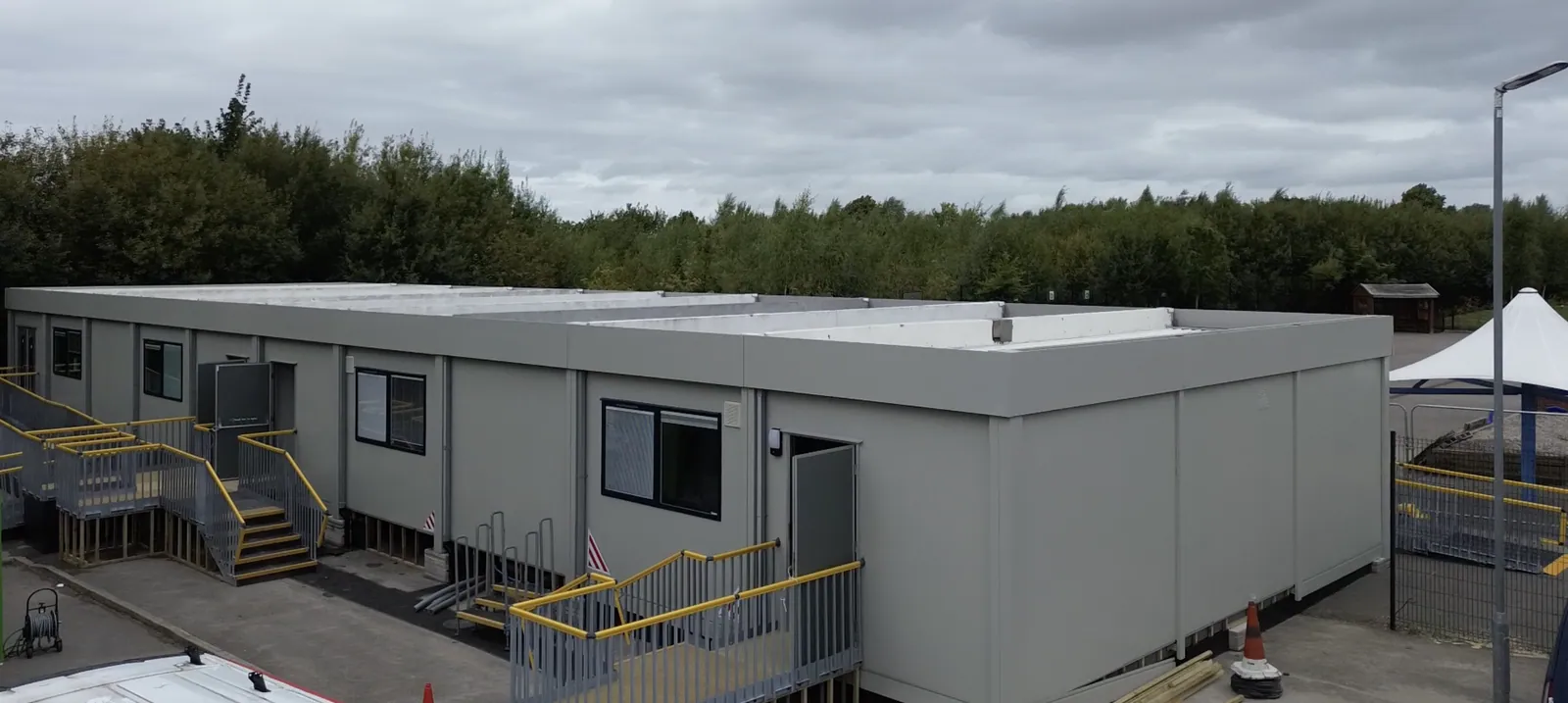
Everything was prepared when we arrived and the school was kept running throughout. Really pleased with how it went and look forward to working with you again

Modular classroom groundworksSt Helens, Modular, 4 weeksSee the job

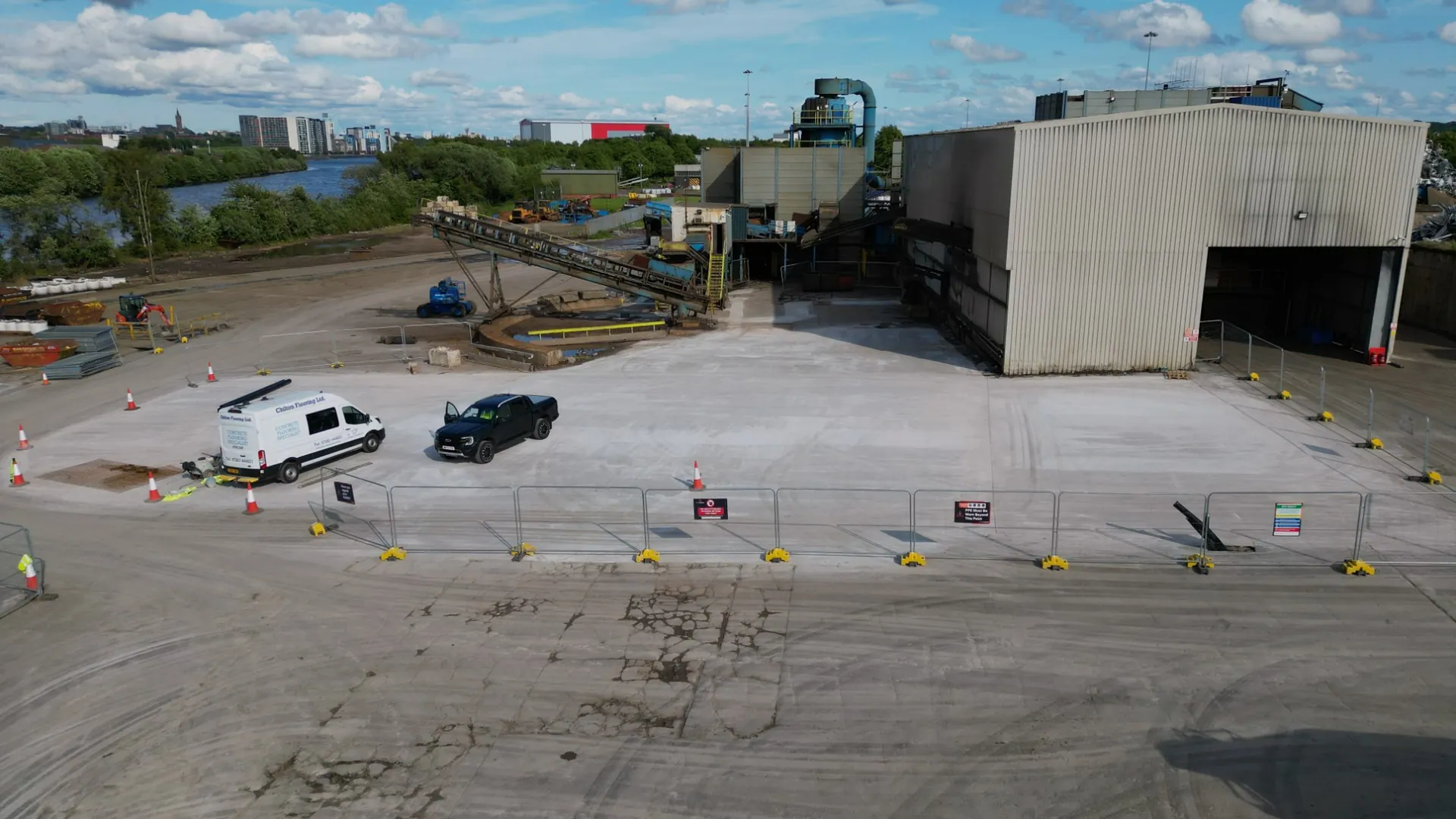
PKB Civils is a specialist concrete yard contractor for the vehicle compounds, distribution estates and port-side yards around Southampton, from Nursling to Marchwood. Our own crews from Rochdale break out failed bays and lay reinforced slabs one area at a time, so vehicles and handling plant keep moving, after a free survey that sets the phasing.
This page is for the people who run Southampton's vehicle compounds, distribution sheds and trade yards, where slabs take HGVs, handling plant and rows of parked vehicles day after day. We break out failed concrete, rebuild the sub-base and lay new reinforced slabs with our own crews and plant, in areas, so most of the yard stays in use while each one is rebuilt.
The port sets the loads. ABP calls Southampton the UK's number one vehicle handling port, processing 600,000 vehicles a year across more than 100 ha of storage and distribution compounds. Our concrete yard work runs from a few failed bays to a whole new compound.
Everything we can take on for you. Not sure which you need? Send your brief and we will tell you.
Reinforced slabs for compounds where vehicles stand in rows for days at a time, with the joints set out around the parking grid and the drive lanes.
Send your briefHeavy-duty slabs for yards that take stacked boxes, trailer legs and the handling plant that lifts them, with heavier sections where the loads concentrate.
Send your briefEntrance slabs and the lanes where HGVs queue to get in, rebuilt a half at a time so one side always stays open.
Send your briefFailed bays on the older distribution estates saw cut, broken out and relaid, with the sub-base checked under each one before the new concrete goes in.
Send your briefFormwork set, steel fixed and concrete poured by our own crew, so a compound slab comes out level, even in thickness and jointed where the design says.
Send your brief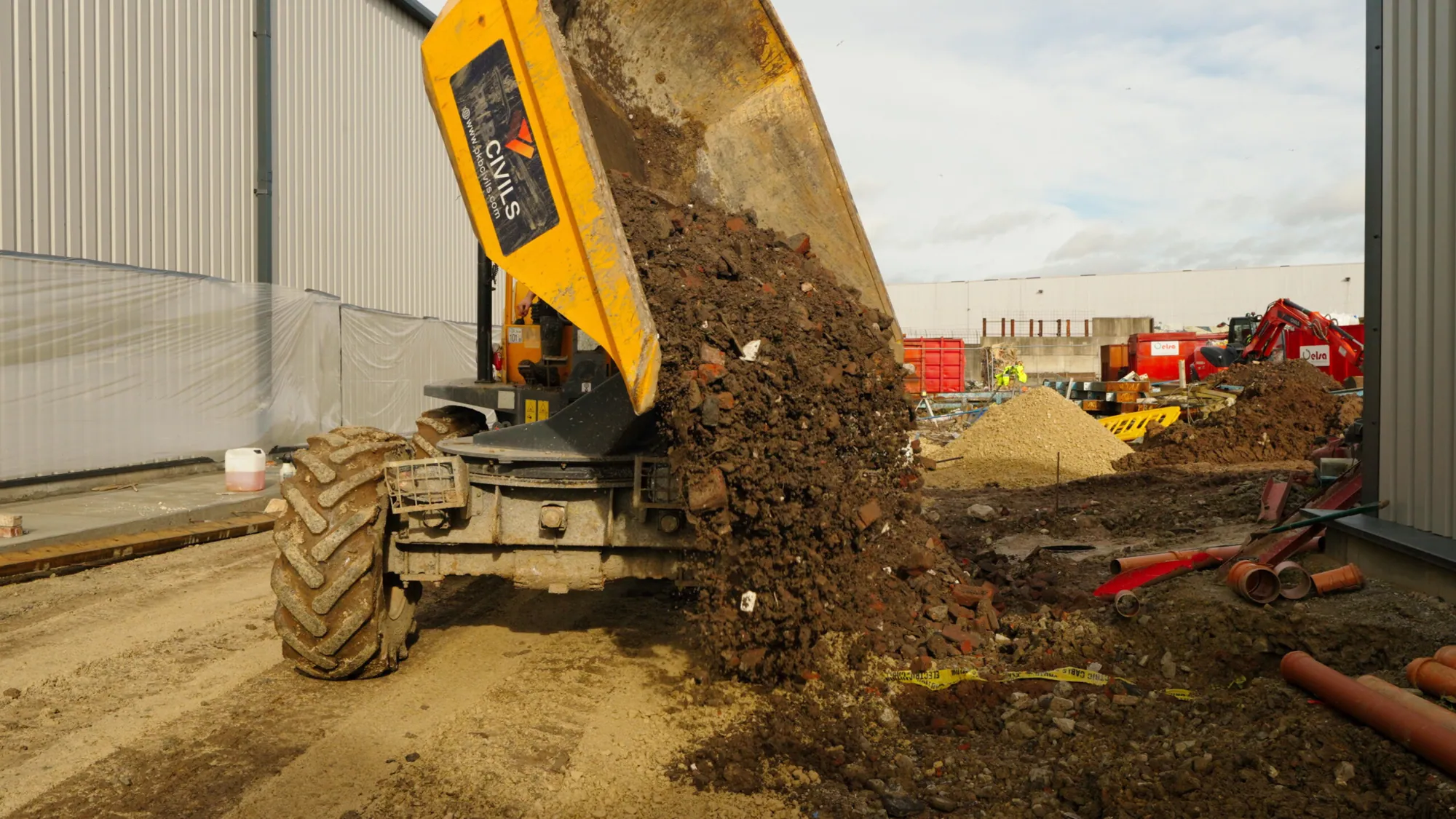
The same people survey, plan and build your job, and your site keeps running while we do it.
Send your briefBen's example is a big distribution yard near Gatwick. Our team surveyed it, from concrete repairs and drainage to walkways and car park surfacing, and drew up a plan to tackle the faults in stages without disturbing the busiest periods. The plan was shelved. A year on, after the firm's own health and safety team had been round, every fault had worsened: drains blocked, cracks spreading and a bigger, more urgent job. His account is in the real cost of reactive maintenance.
In Ben's words, “A yard base carrying HGVs needs to be level, consistent in thickness, and correctly jointed. Getting formwork wrong on jobs like these does not just create a cosmetic issue. It creates a structural one.” On a compound where vehicles stand in rows, the joint layout matters as much as the thickness.
Compounds and distribution yards around Southampton rarely have a quiet week, so the yard is split into areas, each one fenced off, relaid and handed back before the next is broken out, with vehicle routes agreed with your site team at the survey.
Send us a short brief and a few photos. If it's a good fit, we'll arrange a free site survey and plan the work around how your site runs.
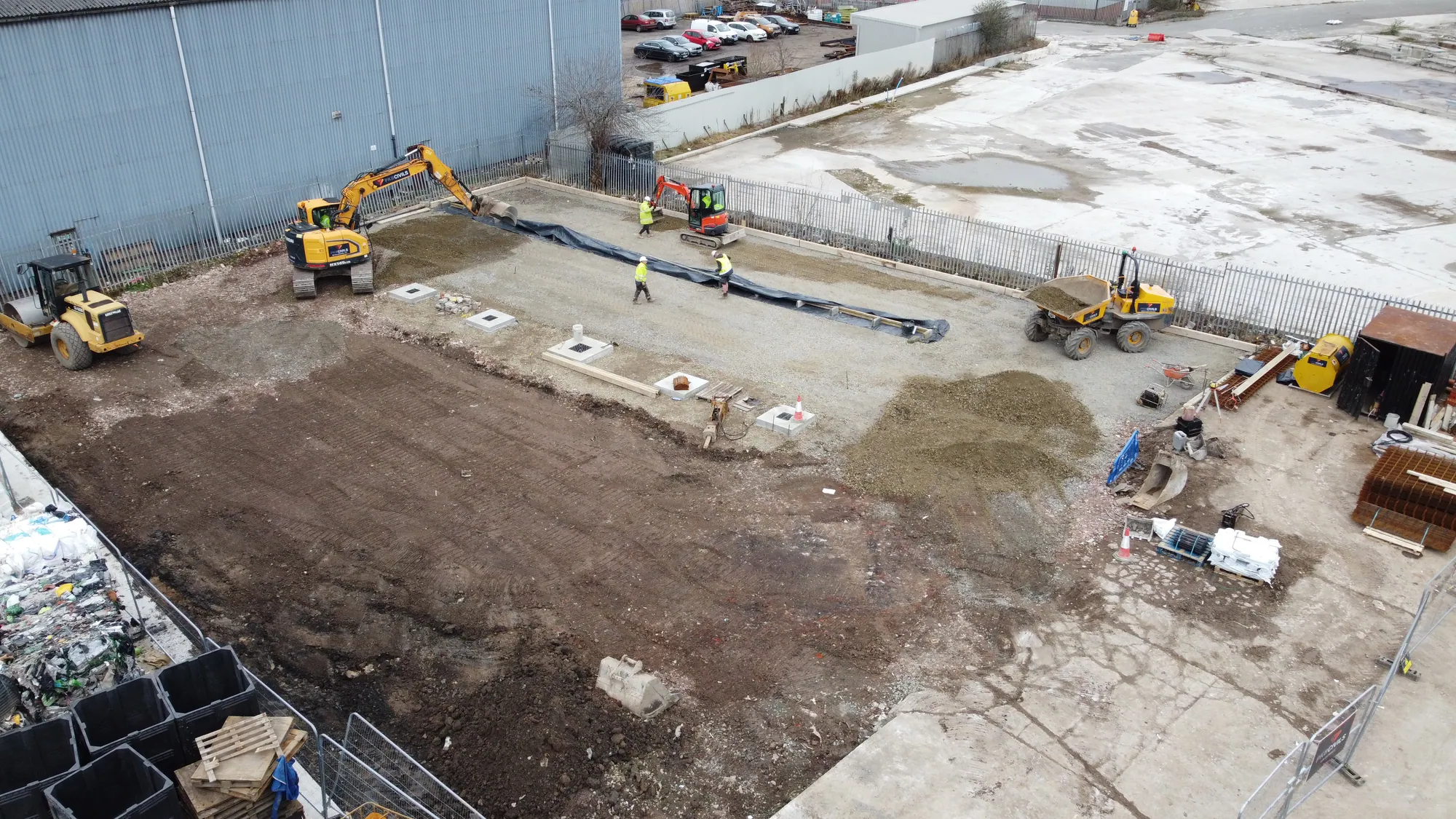
The faults we'd look for first on a worn port-side or distribution yard around Southampton, and what usually lies behind each.
Where vehicles stand in long rows for days, a joint laid across a parking bay carries a wheel on each edge, and those edges spall long before the middle of the bay shows wear.
Container handlers put very high loads through their wheels as they lift and turn, so a slab designed with ordinary HGV traffic in mind can crack where they work.
As fill settles, a yard's falls can drift until water sits in shallow dips, and the sub-base under each dip softens. A levels survey shows how far the falls have moved before the new slab is set out.
An entrance that is the only way in can't simply close. Its slab is rebuilt a half at a time, with the traffic using the other half, so the gate is planned before anything else on the yard.
The jobs closest to Southampton, with this kind of work first.
Feedback from the people who run these sites, shown with the job we did for them.
Everything was prepared when we arrived and the school was kept running throughout. Really pleased with how it went and look forward to working with you again
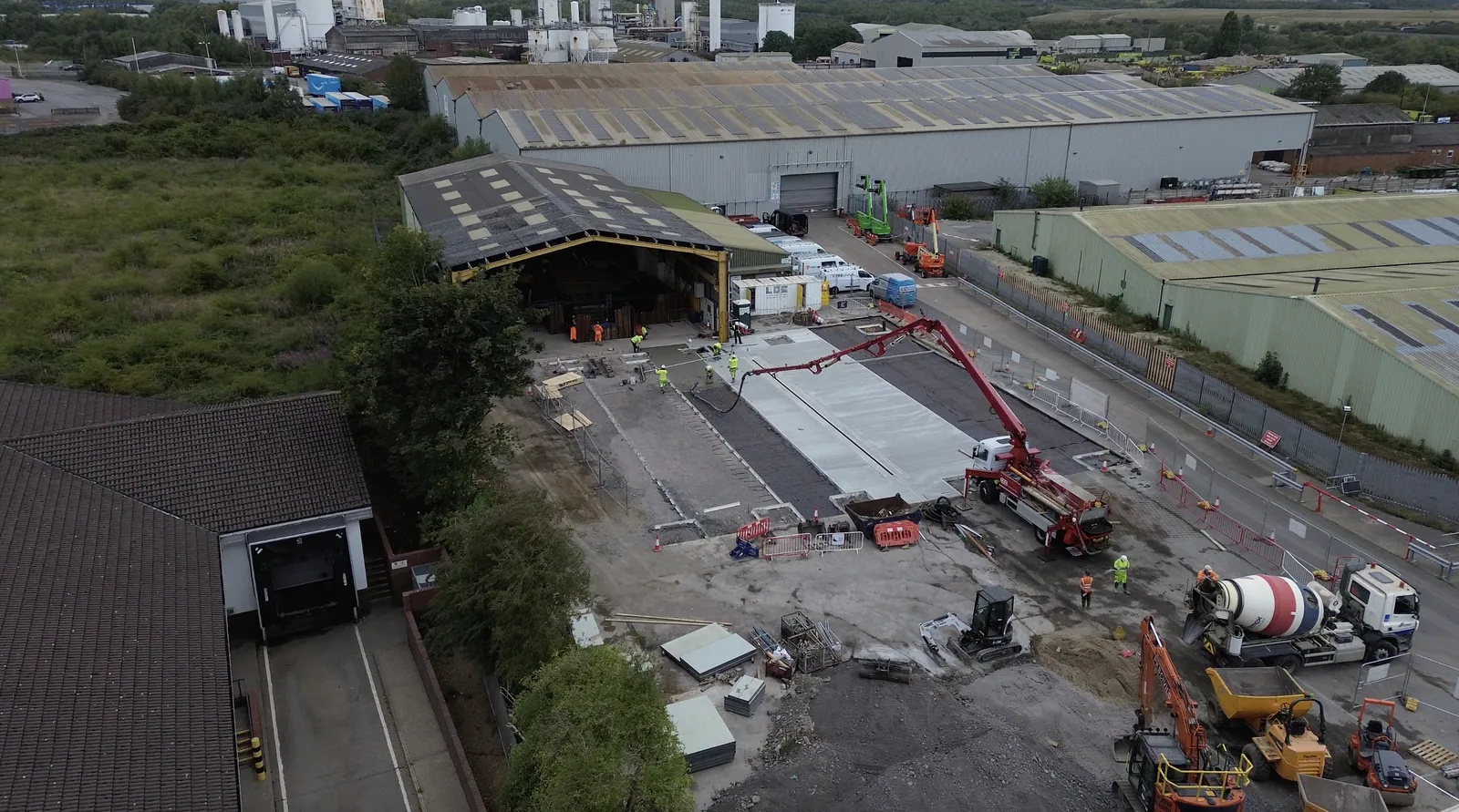
It was a complex job on a live site and your team handled it well from start to finish. Really happy with how it all came together and the site was handed over exactly as we needed it.

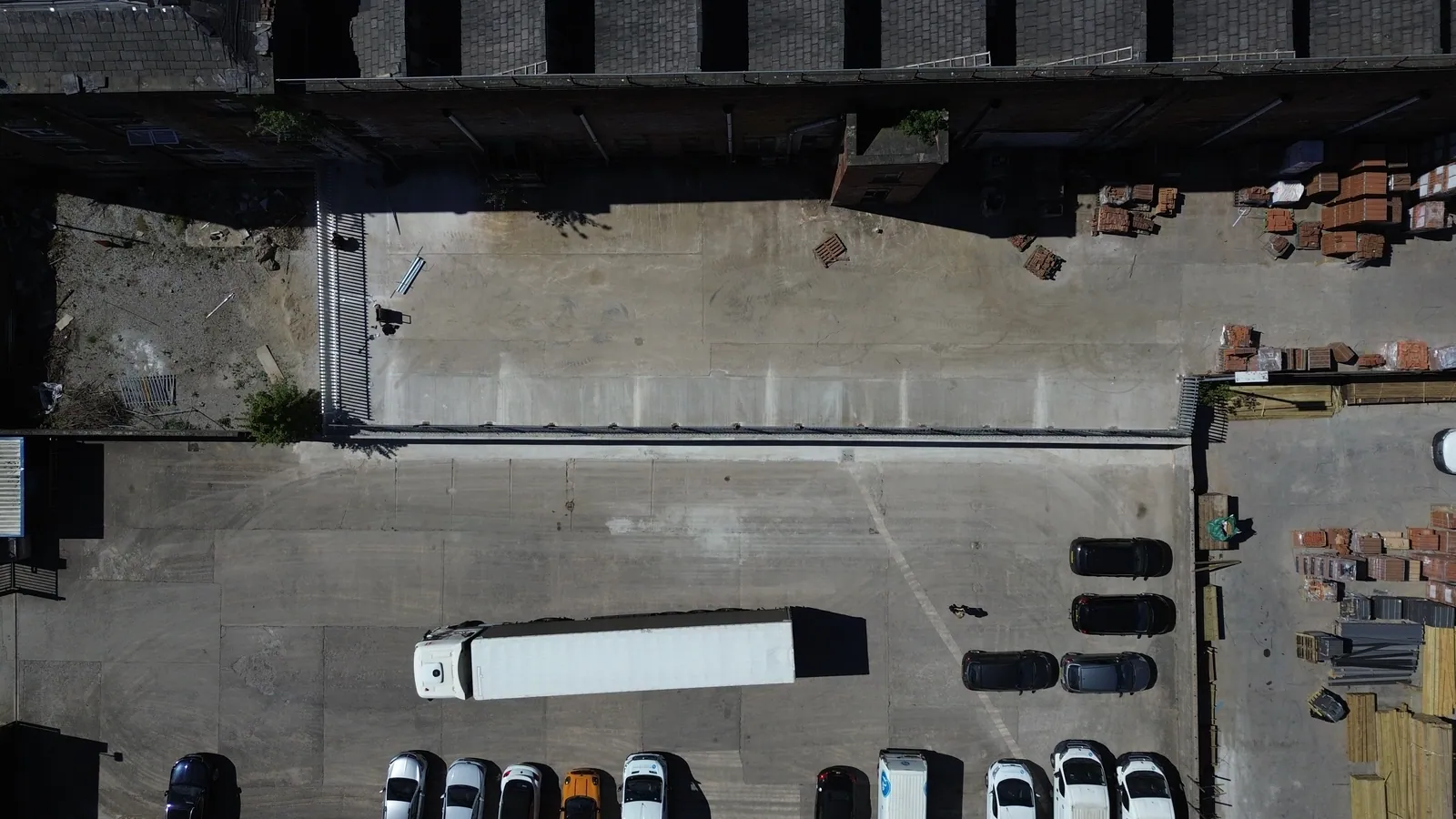
Really impressed with your team and how you kept the yard open, the new works look fantastic. Brilliant job.

Most of the heavy yards near the water stand on reclaimed land over soft estuary mud, which groundworks in Southampton describes. For a slab, the risk is uneven support: where the fill has consolidated more in some places than others, a bay rides on the firm parts and cracks across the soft ones. Plate tests across the formation, before the slab is designed, show where the stone needs to go deeper.
Inland, the yards are older. The Nursling Estate is one of the principal distribution locations on the South Coast, according to Test Valley's 2023 employment study, covering 71.3 ha beside junction 3 of the M27 and north of dock gate 20, with storage and distribution its main use under Policy LE7 and most units built in the 1970s and 80s. A yard that has carried trailers for forty years or more usually needs its joints, edges and sub-base looked at together.
Across the water at Marchwood, the first phase of ABP's Solent Gateway was complete by April 2025, adding 21 acres of operational space for MOD and commercial cargoes, with a repositioned two-lane entrance that lets HGVs be held inside the port. Lorries held in a queue stand on the same strip of slab every day, which is why entrance lanes wear first.
If the slab is sound and the trouble is water lying on it, new concrete is the wrong place to start. Standing water usually means the drainage has failed, and on low ground by the docks the outfall may be fighting the tide as well: see drainage in Southampton. A new slab laid over the same fault fails the same way.
And a worn yard rarely needs relaying in one go. Ben's advice is to get a clear picture of the yard's condition first and then work through the faults in a planned order, worst first. On a Southampton compound that can mean the entrance and the main lanes this year, and the quieter rows later.
Can't see your question? Call us or send your brief and we'll come back to you.
Send your briefWe take on external yards for port users on both sides of Southampton Water. A 2016 review for New Forest District Council puts the Western Docks at 237 hectares on the northern side, and records that in 2015 ABP bought the Marchwood and Cracknore Industrial Parks, 48 hectares on the south side, to support port and marine operations.
Heavy, constant traffic. ABP says the port is home to the UK's second largest container terminal, run by DP World, with berth SCT 5 offering 500m of quay, and that it offers 23 container trains a day. Yards that store boxes or park the trailers that carry them take stacked corner loads and handling plant, so their slabs are designed around those loads and the ground beneath.
Yes, in areas. Space on a busy compound is rarely spare, so the survey agrees how many bays you can give up at once. Vehicles are moved off the area being worked, and each area is broken out, relaid, cured and handed back before the next one is closed, with the drive lanes kept open round it.
The whole yard: surface condition, joints, drainage and levels, plus how the site runs, where the traffic goes and when it's busiest. From that we draw up a plan in order of risk, worst first, with the rest booked into quieter weeks, and a price for each stage. For a yard this far from Rochdale, it also fixes the plant and how long the crew will be on site.
If it's designed for it. The thickness, the reinforcement and the joint layout come from the axle loads and what the ground beneath can take. Turning areas and entrances, where the heaviest vehicles scrub round on the same lines all day, get a heavier section than the parking rows. Our guide to port concrete yards sets out a typical heavy-duty build.

Ben has over 10 years of experience in contracting management, specialising in pre-construction with some of the UK's largest contractors. Ben now leads pre-construction, project planning and client engagement.
Tell us what's happening on site. We'll review your brief and, if it's a good fit, arrange a free site survey.