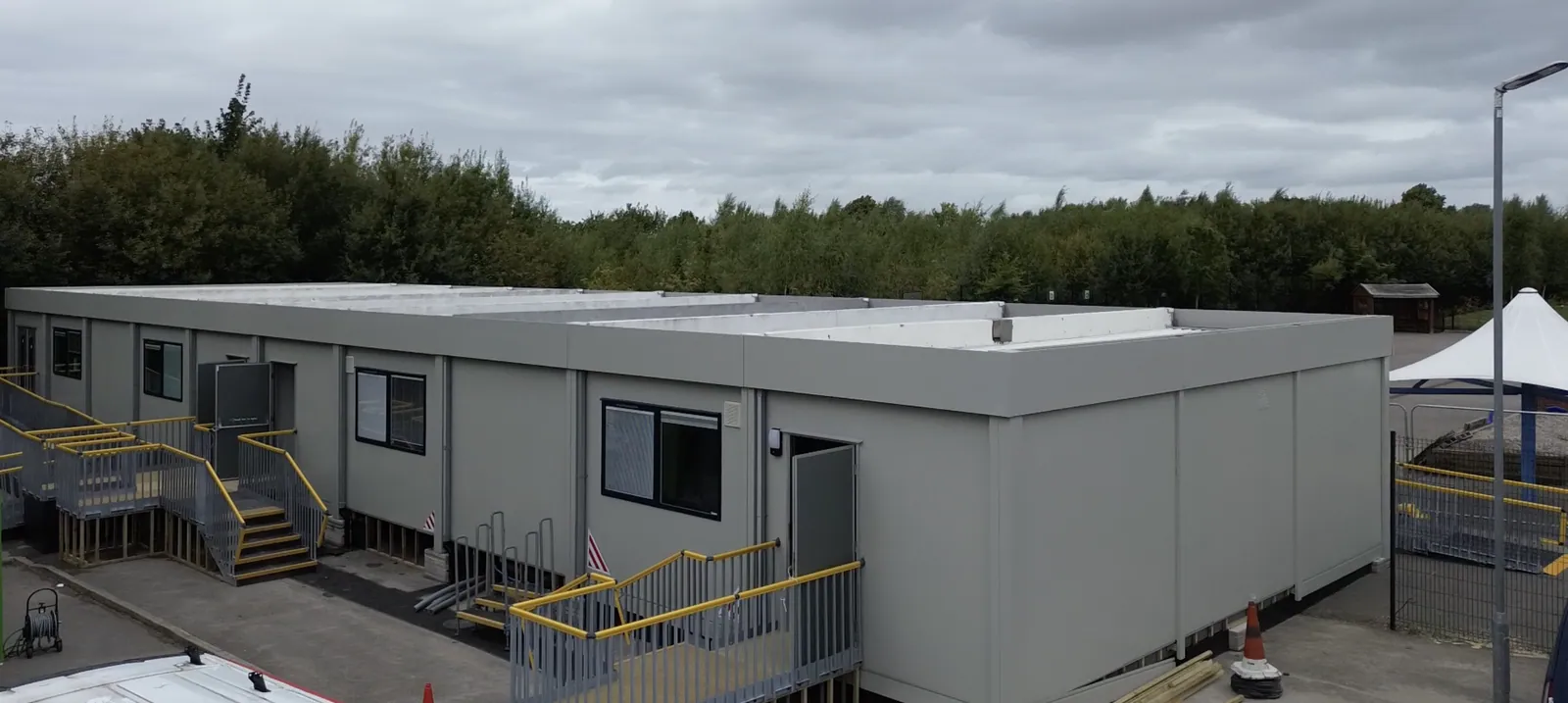
Everything was prepared when we arrived and the school was kept running throughout. Really pleased with how it went and look forward to working with you again

Modular classroom groundworksSt Helens, Modular, 4 weeksSee the job

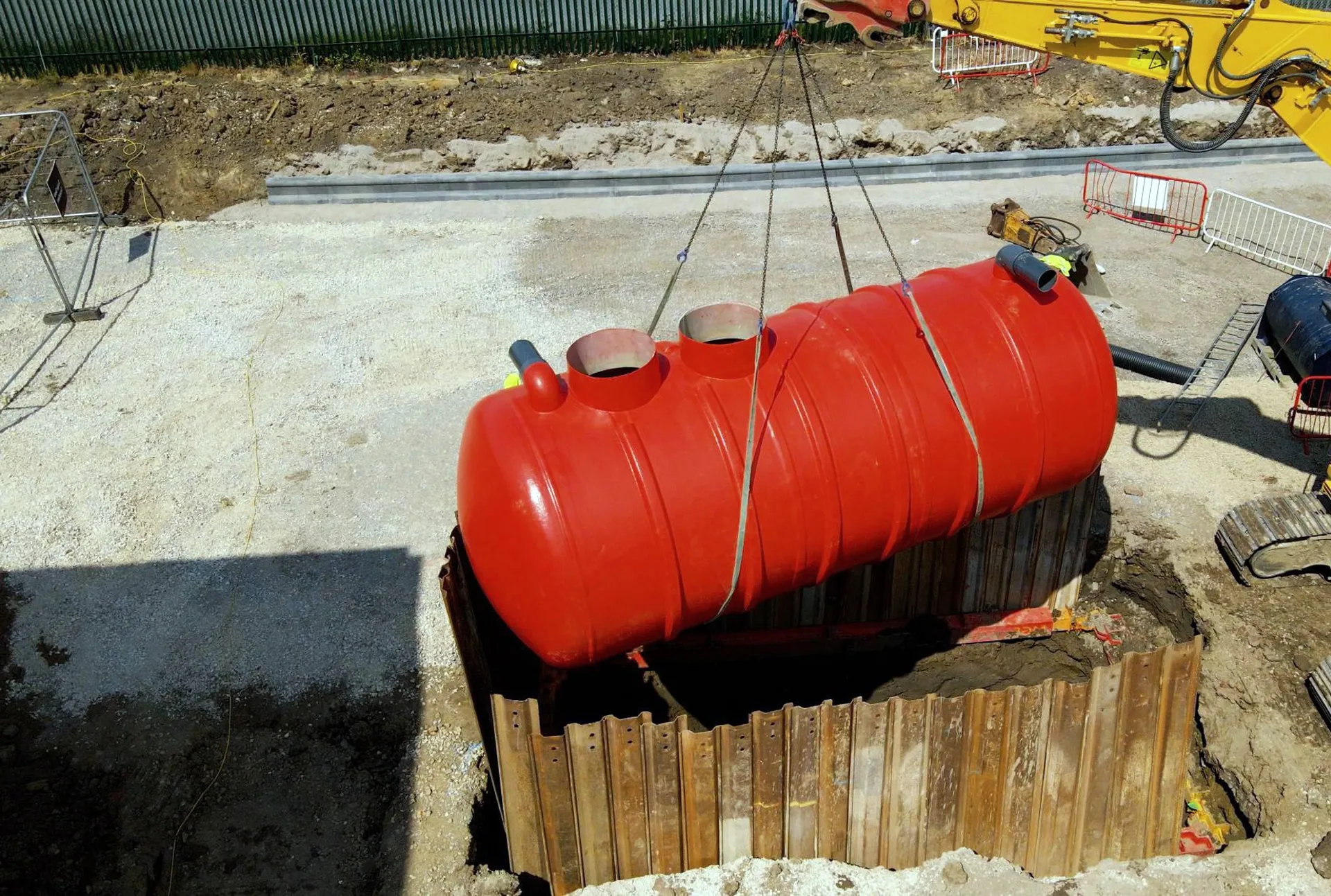
PKB Civils is a specialist commercial drainage contractor for industrial and port-side yards in Southampton, where new hardstanding is held to greenfield runoff rates and outfalls near the docks can be shut by the tide. Our own crews from Rochdale trace, repair and rebuild channels, separators and storage, working in sections after a free survey of the drains.
For site and facilities managers whose Southampton yard holds water after rain, floods at its lowest gully or needs new drainage for an extension. Our own crews survey the drains on camera, repair or replace channels, gullies and separators, and build the storage and connections a new yard needs, a section at a time.
Our drainage work is for commercial and industrial yards, outdoors. In Ben's words, “If your site is residential, internal, or outside that scope, we will tell you clearly and will not proceed with works that fall outside our area of expertise.” Our drainage service shows the systems we put in.
Everything we can take on for you. Not sure which you need? Send your brief and we will tell you.
Each drain run jetted clean and filmed end to end before a design is drawn, so the repair goes where the fault actually is.
Send your briefCracked or silted channels and gullies replaced, and new ones added where the yard's falls have moved, a section at a time round the traffic.
Send your briefSeparators and silt traps that catch oil and grit before a yard's water reaches the sewer, Southampton Water or a chalk stream.
Send your briefTanks or oversized pipes under the slab that hold a storm's runoff while a high tide keeps the outfall shut, then release it as the water drops.
Send your briefFlow controls and storage that hold a new yard's runoff down to the rate the council and Southern Water will accept.
Send your briefNew or altered connections to Southern Water's surface water sewers, with its agreement in place before the yard is joined up.
Send your brief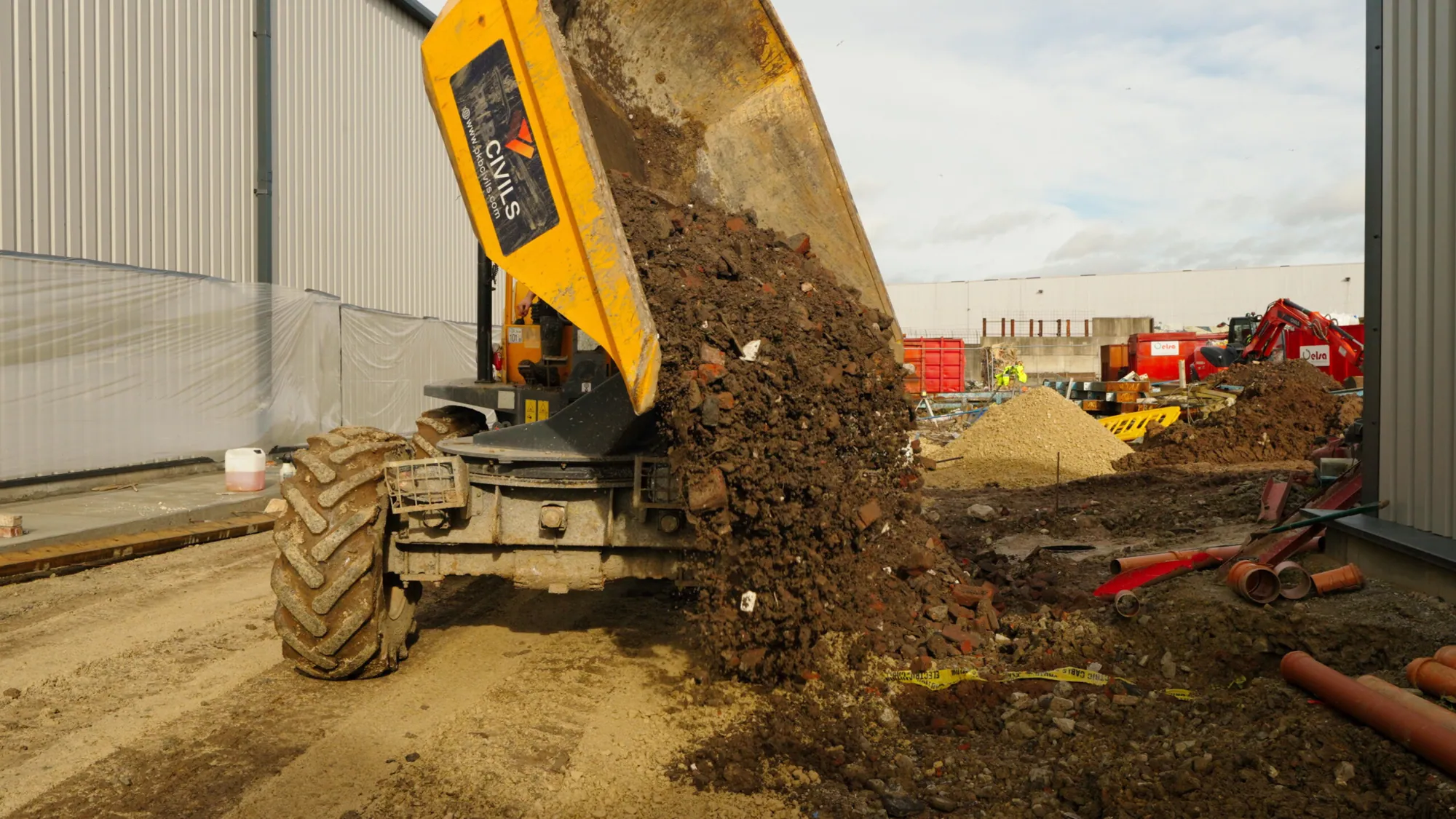
The same people survey, plan and build your job, and your site keeps running while we do it.
Send your briefWe survey a Southampton yard's drains by camera before drawing anything, because the answer depends on where each run goes: a surface water sewer, a combined sewer or straight out to the estuary. On a new yard for a Bolton manufacturer, we put in the drainage channels and a separator tank as part of the same job.
On yards by the Test and the Itchen we size the storage for rain arriving while the tide holds the outfall shut, so the water waits in the tank until the tide drops.
Ben's experience is that blocked or broken channels decline slowly, usually over a year or more, with the water lingering a little longer each winter. A survey before the next winter catches them while a section can still be repaired.
Send us a short brief and a few photos. If it's a good fit, we'll arrange a free site survey and plan the work around how your site runs.
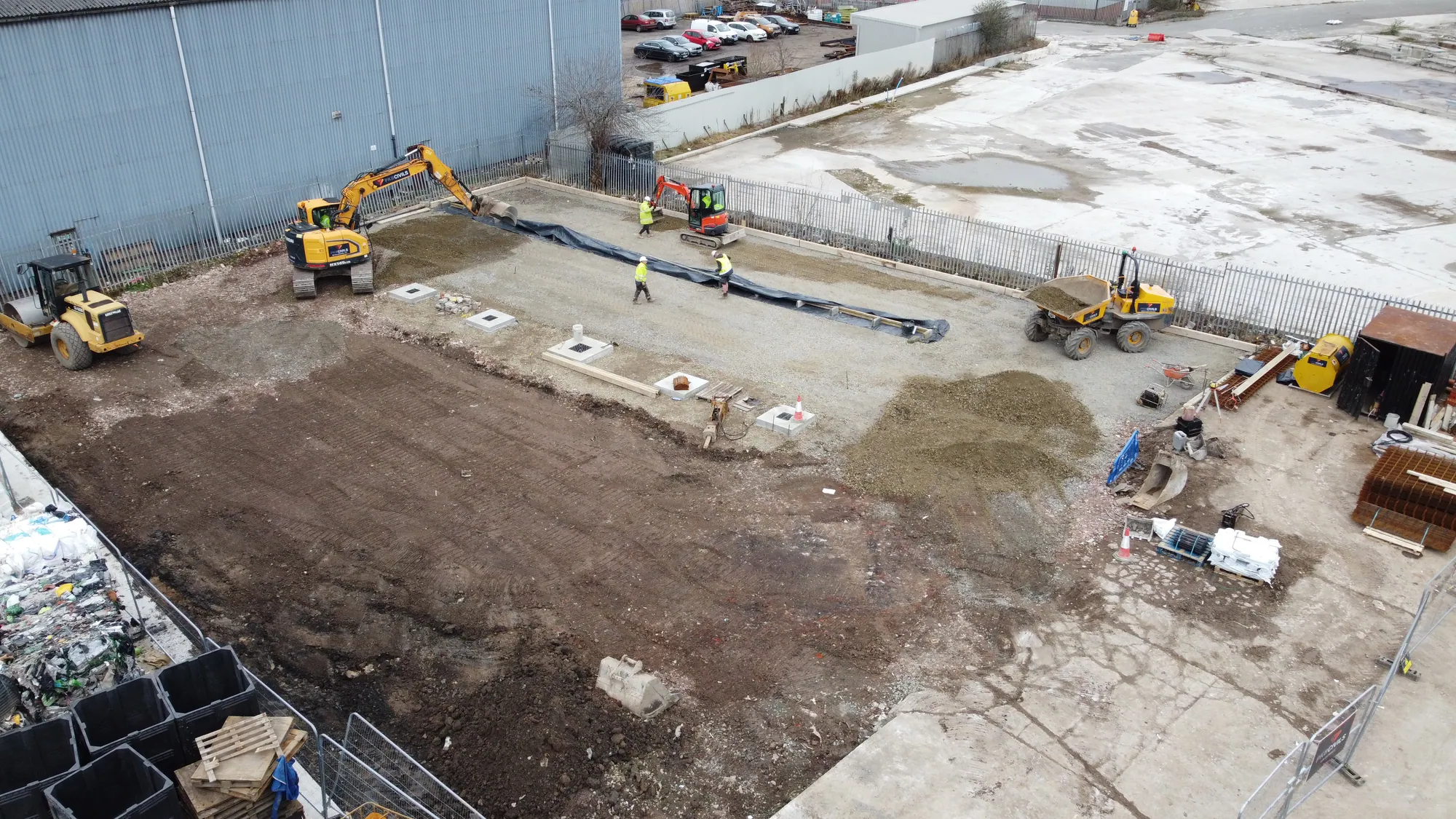
The causes we'd look for when a Southampton yard holds water after rain, and what each one usually points to.
On reclaimed ground the slab and its channels settle together, and a run that once fell to its outlet ends up level or backwards, so water lies along it even after jetting.
Settlement on old fill can turn one gully into the low point of the whole yard. Every storm then queues for one grating, and the bay around it floods first and stays wet longest.
Where a perched water table breaks out as a spring, water can come up under a slab, and no channel on the surface will clear it. See groundworks in Southampton.
Compounds and container yards shed grit and rubber into their channels every day. Ben's point is that a system nobody maintains stops working without ever failing dramatically, so the silt is cleared on a schedule.
The jobs closest to Southampton, with this kind of work first.
Feedback from the people who run these sites, shown with the job we did for them.
Everything was prepared when we arrived and the school was kept running throughout. Really pleased with how it went and look forward to working with you again
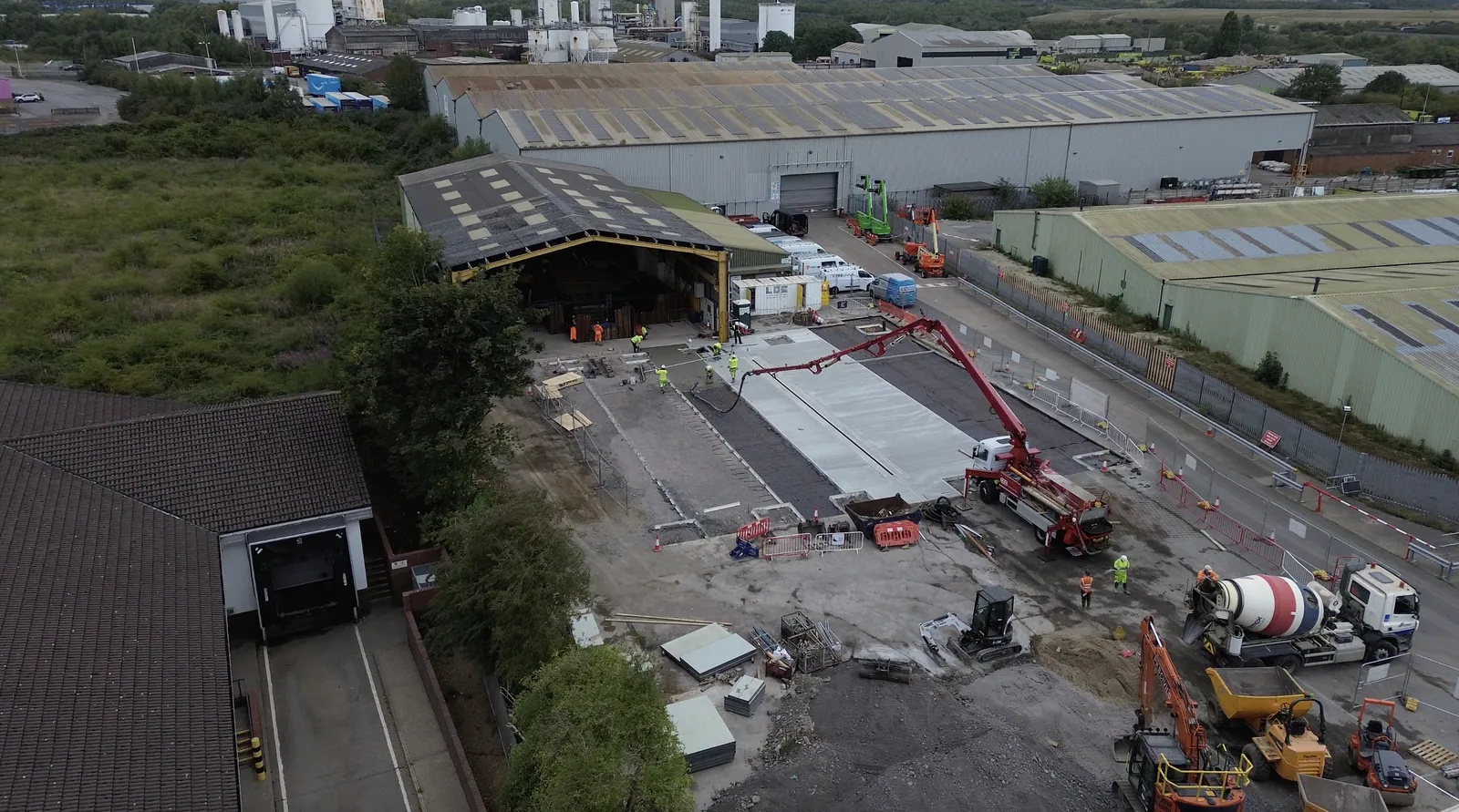
It was a complex job on a live site and your team handled it well from start to finish. Really happy with how it all came together and the site was handed over exactly as we needed it.


Really impressed with your team and how you kept the yard open, the new works look fantastic. Brilliant job.

About 13% of Southampton is at high or medium risk of tidal or river flooding, and along about 35km of tidal frontage the sea is the main source, according to the council's drainage guidance. The areas it names as most at risk include the Docks, the Itchen frontage either side of the Itchen Bridge, Northam and Millbank, Bevois Valley, St Denys and the Bitterne Manor frontage.
Low outfalls are the local problem. The same guidance accepts free discharge to the sea or a large estuary if it doesn't add to flood risk, but where the tide is likely to restrict the outlet, the system needs storage to hold the runoff until it can drain at a lower tide, with an allowance for tide-locking. On a yard beside the Test or the Itchen, that means storage behind the outfall sized for rain arriving on a high tide.
Soakaways need ground that drains, and near the rivers and on reclaimed land the groundwater can sit high, as groundworks in Southampton sets out. Upstream, the council describes the Test and the Itchen as two of the finest chalk streams in the world, both Sites of Special Scientific Interest and the Itchen a Special Area of Conservation too, which is why oil and silt are caught before a yard's water heads their way.
Not every wet patch needs new drains. Ben draws the line at time: rain that has cleared within a couple of hours is usually just finding the falls, while water still lying there for several hours points to a fault worth surveying. A jet and a camera survey settle which you have before anything is dug up.
And if the water is coming from beyond the boundary, from a river over its banks or a tide backing up a shared outfall, new yard drains won't keep it out. What a yard's own drainage can do is hold back the water that falls on it until the outfall can take it, and that's where we come in. Ben's article on why standing water breaks up yard concrete shows what's at stake.

Can't see your question? Call us or send your brief and we'll come back to you.
Send your briefNot automatically. Under Southern Water's policy DS 001, a redeveloped brownfield site has no historic right of connection, and its discharge is limited to the equivalent 1 in 1 year greenfield rate. Surface water connections to foul-only sewers are refused, and a combined sewer is allowed only where nothing higher in the drainage hierarchy works and there is capacity. So the old pipe is surveyed and the new design agreed before the yard is rebuilt.
For new development, yes. The council's drainage guidance requires all developments, brownfield included, to keep peak runoff at or below greenfield rates, and allows 5l/s where meeting the rate would need impractically small flow controls. Where its limit is lower than Southern Water's, the council expects its own to be met. A like-for-like repair to existing drains is a repair, so the limit comes in when a yard is extended or rebuilt.
It was designed to. The River Itchen Flood Alleviation Scheme was planned as 3.7km of flood defence on the west bank, from Mount Pleasant Industrial Estate north of Northam Bridge to just south of the Itchen Bridge, to cut present-day flood risk to homes, 288 businesses and sections of critical road and rail links. Check its current position with the council before a yard's drainage design relies on it.
Any drainage drawings or as-built records, earlier CCTV reports, and photos of the yard after rain with the time noted, so we can see how long the water lies. Mark where you think the outfall is. That lets us plan the survey visit, when every run is jetted and filmed, and the crew and plant that come down from Rochdale afterwards.
No, it depends on what the yard handles. A yard with fuelling, vehicle washing or plant that can leak oil needs one between its drains and the sewer or outfall, and where the water heads for the estuary or one of the chalk streams, catching oil and silt matters even more. The survey shows what drains where, and we recommend a separator only where the yard needs one.

Ben has over 10 years of experience in contracting management, specialising in pre-construction with some of the UK's largest contractors. Ben now leads pre-construction, project planning and client engagement.
Tell us what's happening on site. We'll review your brief and, if it's a good fit, arrange a free site survey.