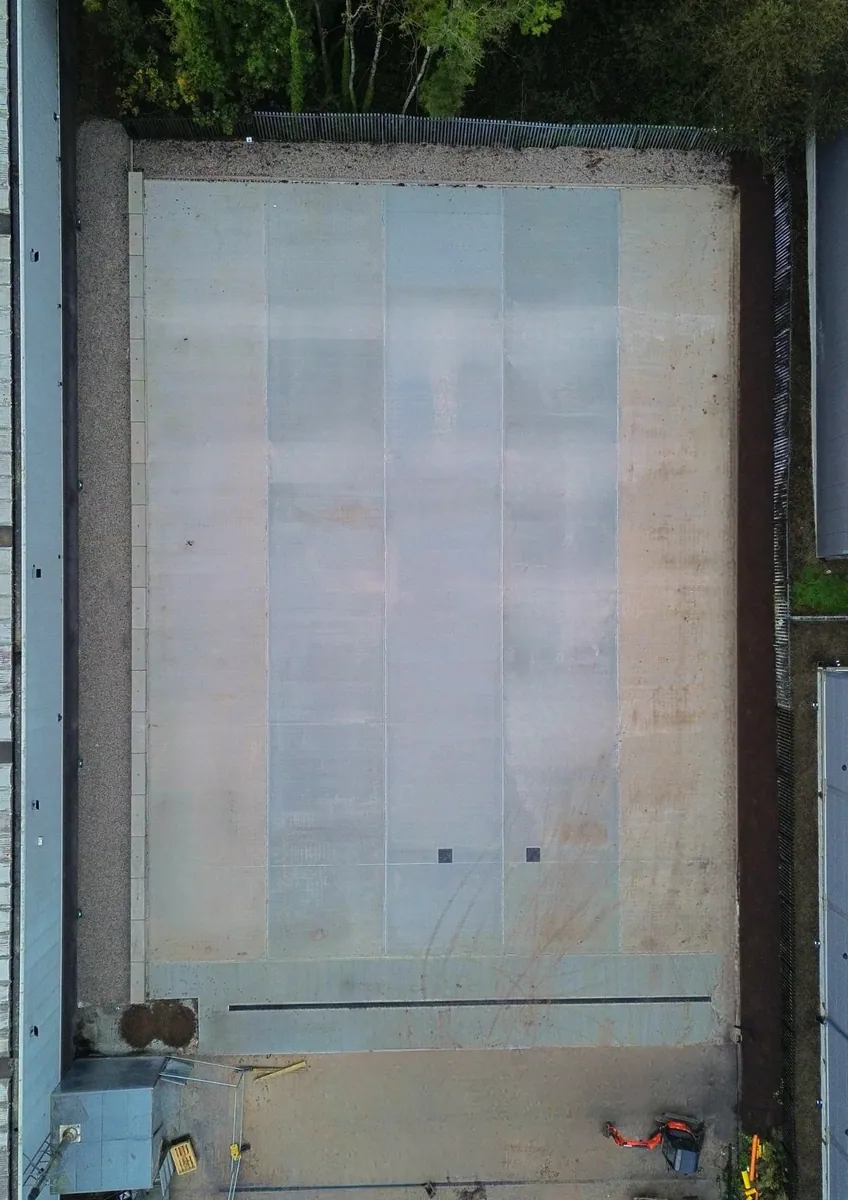


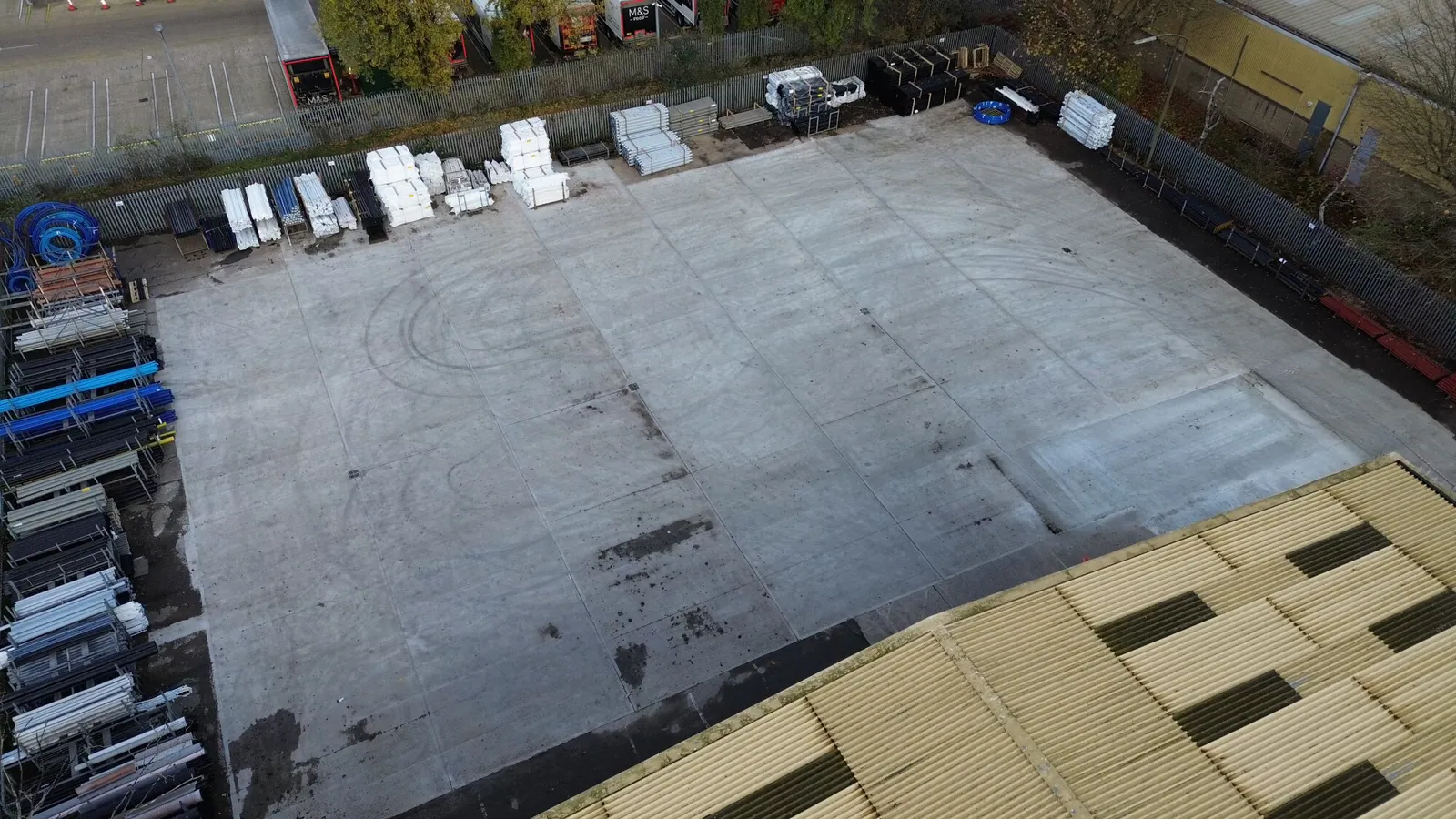
Thanks guys, really happy with how this came out. The yard is great, staff can move around and we've got our space back. Will definitely be coming back to you again.

New concrete yardLondon, Builders merchants, 4 weeksSee the job

PKB Civils puts right the drainage on Bristol's industrial and distribution yards, where surface water has to meet Wessex Water's rules and, around Avonmouth and Severnside, the drainage board's as well. As a specialist commercial drainage contractor, we work with our own crews from Rochdale, in stages, after a free survey of the drains.
Yards on Bristol's low estuary ground drain to a rhine or a surface water sewer, and when that link fails, the water stays on the slab. We drain commercial and industrial yards, working out where the water should go and why it isn't getting there, then putting it right with our own crews and plant.
Two sets of rules decide where a Bristol yard's water can go. Wessex Water accepts no new surface water connections to its foul or combined sewers, and where the work needs planning permission, Bristol City Council as lead local flood authority limits the runoff to the lowest of the two-year greenfield rate, 3 litres per second per hectare or Wessex Water's allowed rate. Our drainage service shows the systems we put in, from channels to separators.
Everything we can take on for you. Not sure which you need? Send your brief and we will tell you.
Broken or silted channels replaced and gullies added where a Bristol yard's falls have changed, in stages so the yard stays in use.
Send your briefFuel and silt interceptors on yards that drain to a rhine or a surface water sewer near the estuary, sized for the yard and its traffic, with old units emptied and inspected.
Send your briefDrains jetted and surveyed on camera before anything is broken out, so an Avonmouth yard isn't dug up to find silt.
Send your briefBelow-ground tanks or crates sized so a new Bristol yard lets water out no faster than the council's runoff limit allows.
Send your briefNew outfalls to a rhine, with the drainage board's consent in hand first, and connections to Wessex Water's surface water sewers.
Send your brief
The same people survey, plan and build your job, and your site keeps running while we do it.
Send your briefOn an Avonmouth yard we would survey the drains on camera and level the outfall against the rhine it runs to before pricing anything, because on ground that low, too little fall at the outfall can back water up into channels that look sound.
Around Avonmouth and Severnside, a new outfall to a rhine needs the drainage board's consent before it's built, so we settle its route and levels at the survey and leave time in the programme for the consent to come through.
In Ben's words, “Effective drainage in an industrial yard is not simply a matter of having channels present.” On soft estuary ground a channel run can settle with the slab and lose its fall, so we check each line's levels as well as its condition.
Send us a short brief and a few photos. If it's a good fit, we'll arrange a free site survey and plan the work around how your site runs.
The causes behind standing water on Bristol yards, and the local rules that shape the fix.
The drainage board and the Environment Agency are not disposed to consent to culverting open watercourses, so a yard extension near Avonmouth may have to leave a rhine where it is and plan around it.
The drainage board levies an Infrastructure Charge on development around Avonmouth and Severnside, payable before it issues consent, so it belongs in the budget and the programme from the start.
On older Bristol yards, drains extended over the years may run where no drawing shows them, so a camera survey traces each line, and where it ends up, before any extension is tied in.
On redeveloped yards where planning applies, the council relaxes the greenfield runoff rate only where it's proven unachievable, so new hardstanding can need tanks or crates under it to hold water back.
The jobs closest to Bristol, with this kind of work first.
Feedback from the people who run these sites, shown with the job we did for them.
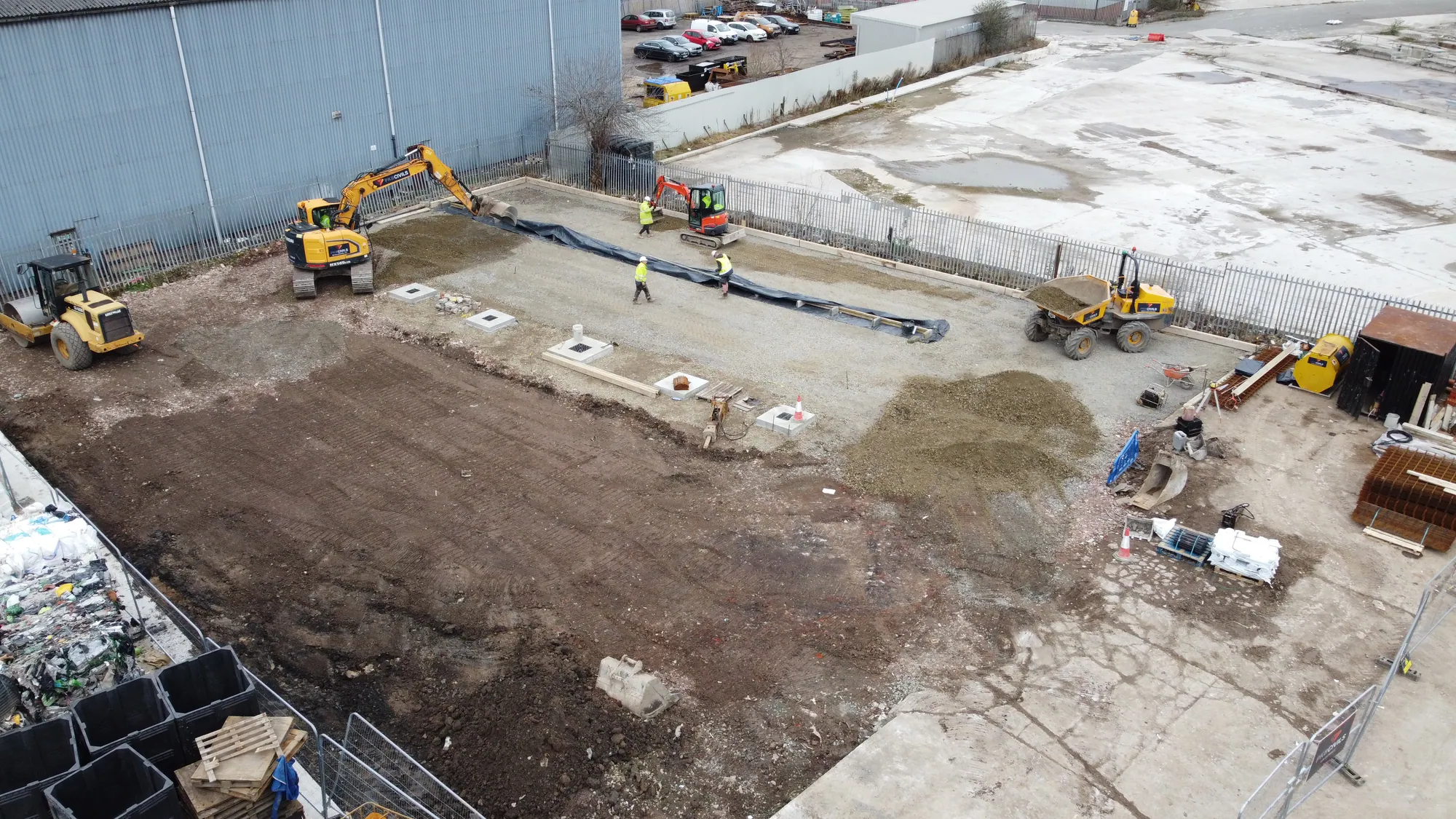
Thanks guys, really happy with how this came out. The yard is great, staff can move around and we've got our space back. Will definitely be coming back to you again.
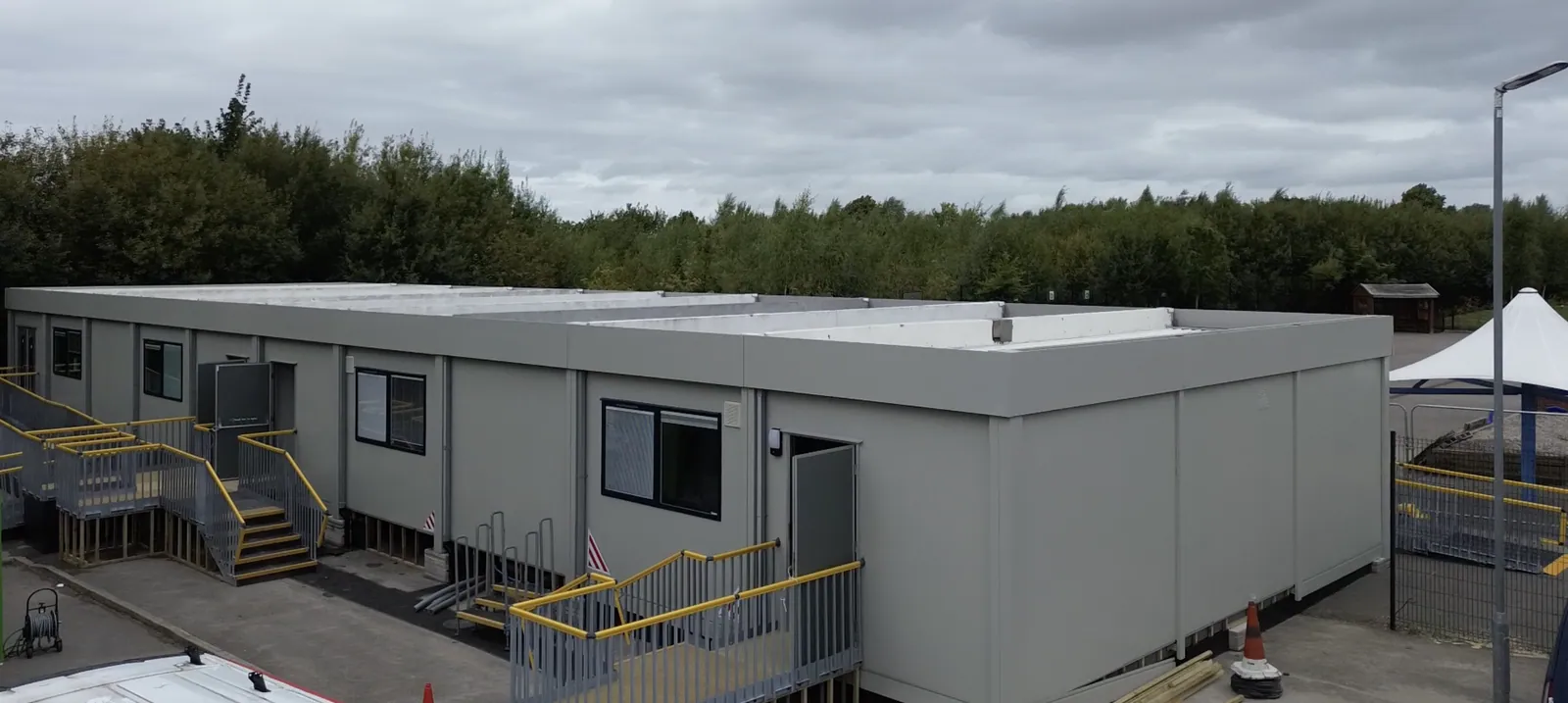
Everything was prepared when we arrived and the school was kept running throughout. Really pleased with how it went and look forward to working with you again


Really impressed with your team and how you kept the yard open, the new works look fantastic. Brilliant job.

Much of the tidal flat ground beside the estuary lies less than 6 m above OD, and the British Geological Survey says it has been at risk of tidal flooding when strong south-westerly gales coincide with spring tides. On ground that low, a yard's outfall can have little height to work with, so outfall levels get checked against the receiving rhine or sewer early in the design.
The whole Avonmouth and Severnside area is protected from tidal flooding by Environment Agency and privately owned raised defences, according to the 2011 flood risk assessment, and its network of rhines is managed by the Lower Severn Internal Drainage Board for river flood risk. The ASEA flood defence project, run by South Gloucestershire Council, Bristol City Council and the Environment Agency, is designed to give 17km of estuary defences from Aust to Shirehampton. With the sea kept out at the estuary, a yard's own drainage is designed for the rain that falls on it and for what its rhine can take.
Inland, the River Avon brings its own risk. Avon Riversides is the long-term project of the council, the Environment Agency and the West of England Combined Authority to protect homes and businesses from tidal and river flooding along the Avon, from St Anne's through to Shirehampton. Its project page gives no preferred option or timetable, so a yard near the river should check the current flood information before new drainage is designed.
In Ben's words, “Not every site with occasional surface water has a drainage problem that requires immediate intervention. The distinction between transient surface water and persistent standing water is important, and a condition survey will establish clearly which category a given site falls into.” The survey answers that question before anything is priced.
If the trouble is a rhine overflowing at your boundary, new yard drains won't cure it. The rhine is the drainage board's to manage, and work on or beside its bank needs the board's consent first, as the questions below explain. Ben's article on why standing water shortens a yard's life sets out the signs worth watching.
Postcode districts in Bristol and Avonmouth where we've delivered: BS3, BS5, BS11.
See them on the map
Can't see your question? Call us or send your brief and we'll come back to you.
Send your briefOnly with consent. Around Avonmouth and Severnside, the Lower Severn Internal Drainage Board needs a separate consent under the Land Drainage Act 1991 for each outfall or culvert, and levies an Infrastructure Charge on development to enlarge the rhine network, payable before it issues consent. Its byelaws also need consent for any building or structure, even a temporary one, within 8 metres of the landward toe of a bank, and for digging into a bank.
In March 2023 the ASEA project was expected to be complete in 2026. It is designed to reduce flood risk to 2,500 homes and businesses between Aust and Shirehampton. That date was a forecast, so check the Environment Agency's current flood information for your site before designing drainage around the new defences.
Down the order Wessex Water sets out in its standing advice: rainwater reuse first, then infiltration, then a watercourse or other surface water body, and only then a surface water sewer or highway drain. Land drainage has to be managed privately and taken to another outfall, and foul flows from below ground level must be pumped up to ground level before they join the public foul sewer.
Yes. The British Geological Survey records low-lying Ashton Vale, Bedminster and St Anne's as prone to flooding, as in the major rainstorms of July 1968. In the 1960s and 1990s Bristol City Council took on major tunnelling projects to channel storm water directly into the Avon and Severn, and BGS says they have greatly reduced flooding risks upstream of the Avon Gorge.
Bristol City Council's limit applies to sites in the city, and Severnside is in South Gloucestershire, so check that council's requirements for a site there. The drainage board works across the Avonmouth and Severnside area on both sides of the boundary, so its consents for outfalls and culverts apply either way.

Ben has over 10 years of experience in contracting management, specialising in pre-construction with some of the UK's largest contractors. Ben now leads pre-construction, project planning and client engagement.
Tell us what's happening on site. We'll review your brief and, if it's a good fit, arrange a free site survey.