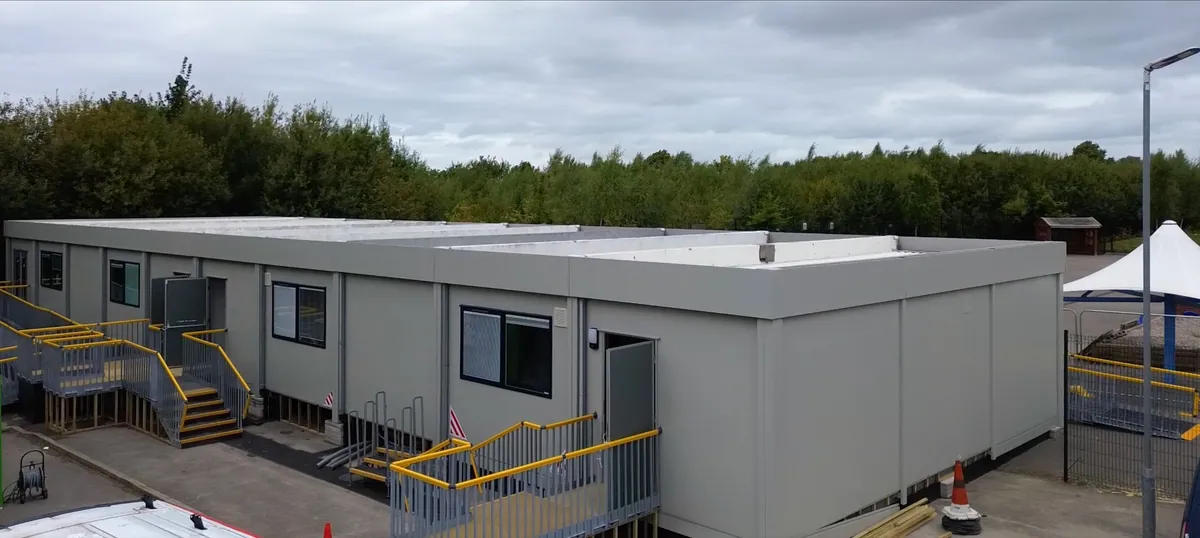
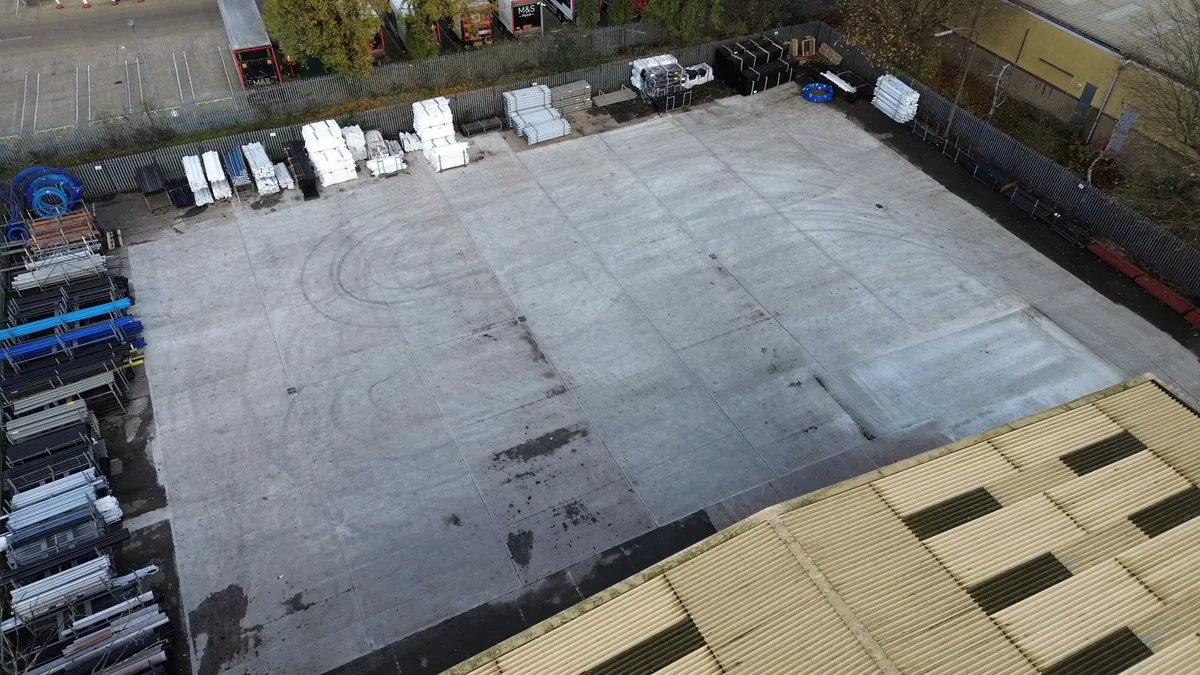
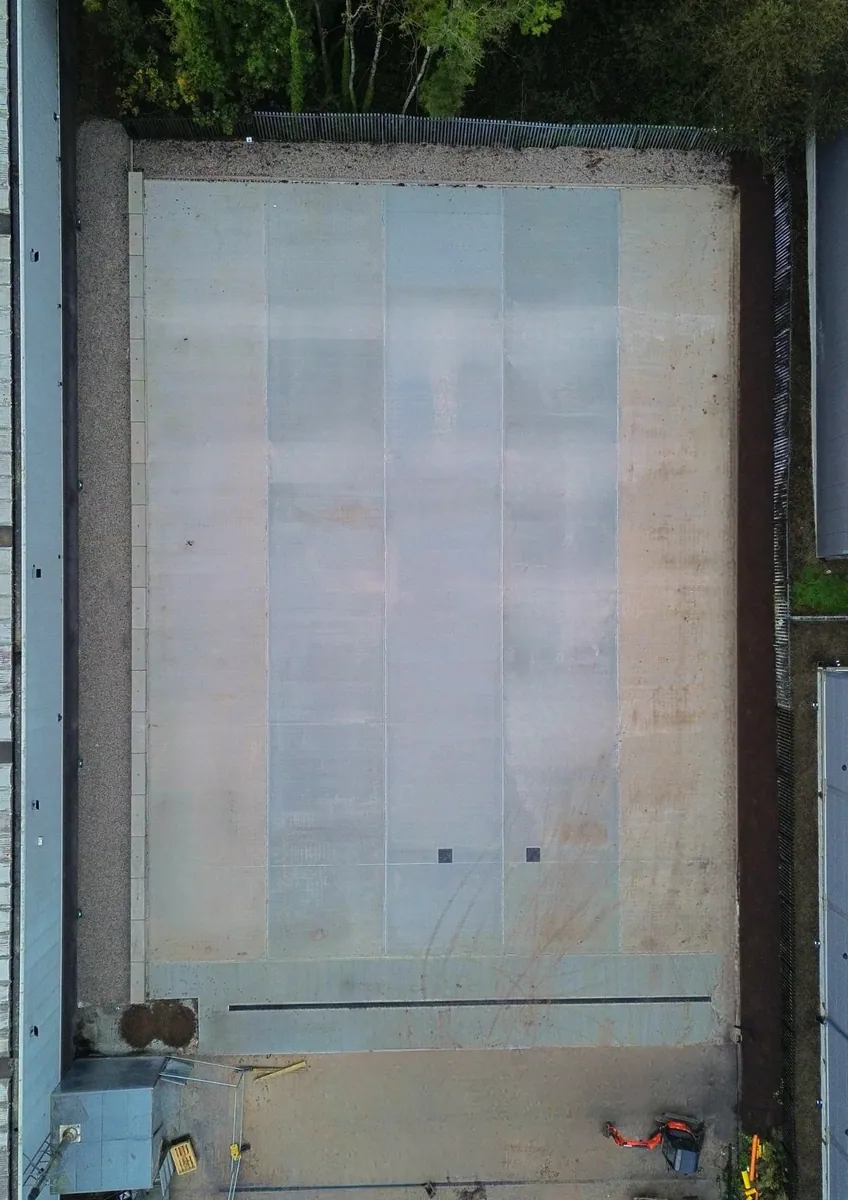
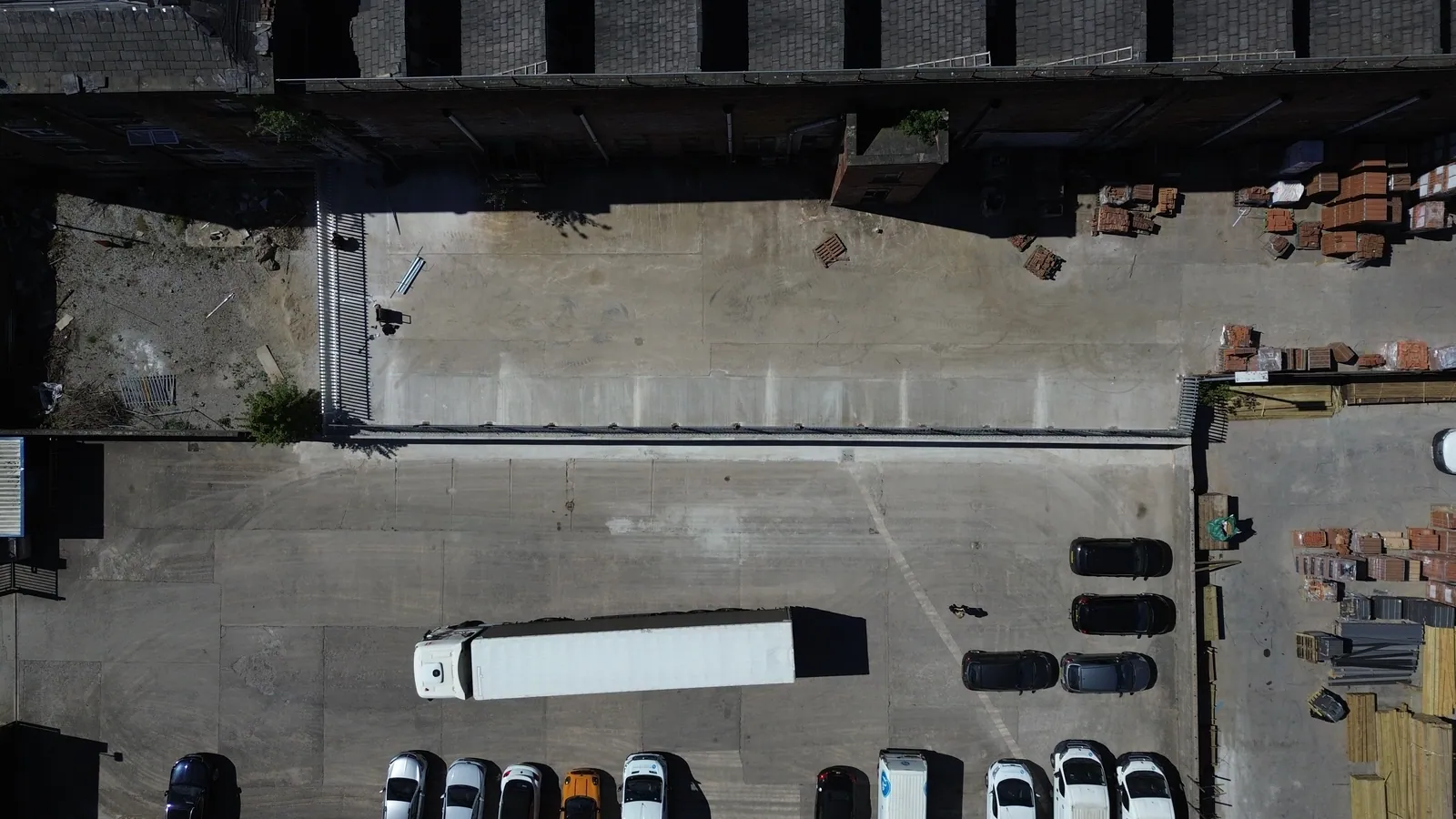
Really impressed with your team and how you kept the yard open, the new works look fantastic. Brilliant job.

Yard extension and retaining wallBolton, Builders merchantsSee the job

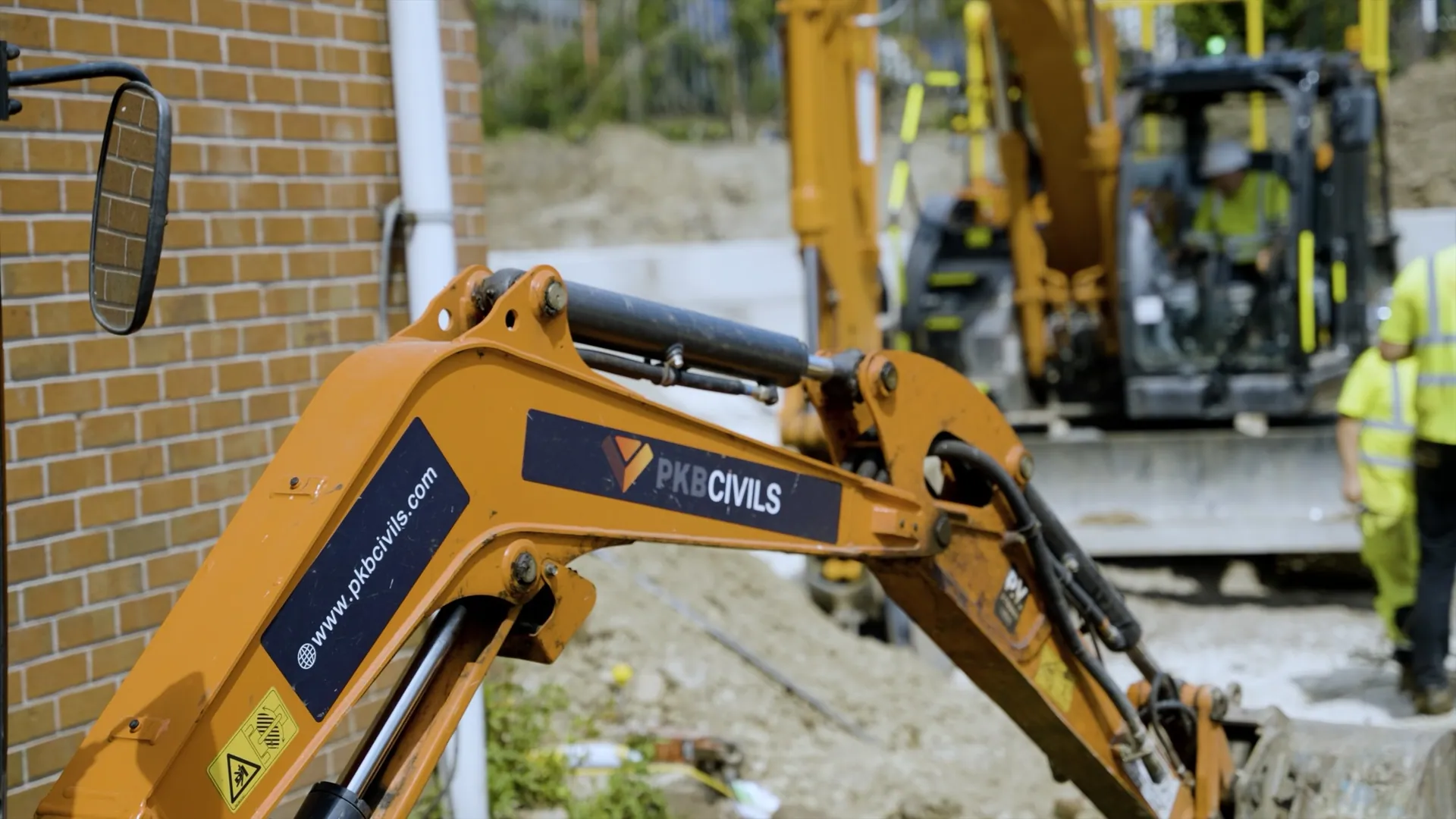
PKB Civils handles the earthworks on Bristol's commercial and industrial plots: reduce digs, cut and fill, and a plan for every load of spoil, from raised plots at Avonmouth to the Redcliffe Sandstone around Southville. Our own operators and plant come from Rochdale, and every dig starts with trial pits across the plot.
Earthworks in Bristol tends to mean one of two jobs. At Avonmouth and Severnside it's mostly about height: how much fill a plot needs, and where flood storage goes as it rises. In Redcliffe and Southville, it's about whether the sandstone you dig can go back in. Our own operators run our excavators and dumpers on both, and one team plans the levels and the spoil together.
Before a bucket goes in, trial pits show what the plot holds, from estuary mud to old pit fill. Our earthworks service explains how we plan a dig, from the first trial pit to the last load out.
Everything we can take on for you. Not sure which you need? Send your brief and we will tell you.
Worn slabs and soft spots on old Avonmouth yards excavated down to firm ground, sorting broken concrete from fill and natural soil at the dig face.
Send your briefImported fill placed and compacted in layers to the agreed height on a raised Avonmouth plot, with levels checked as it rises.
Send your briefDug material that passes testing placed and compacted elsewhere on the plot, with weathered Redcliffe Sandstone kept apart until it's tested.
Send your briefStone haul roads and stockpile pads laid out on soft estuary ground, so dumpers keep moving and heaps don't sink into the formation.
Send your briefCompensatory storage ponds dug in step with the raising, where the flood design calls for them near Victoria Road.
Send your brief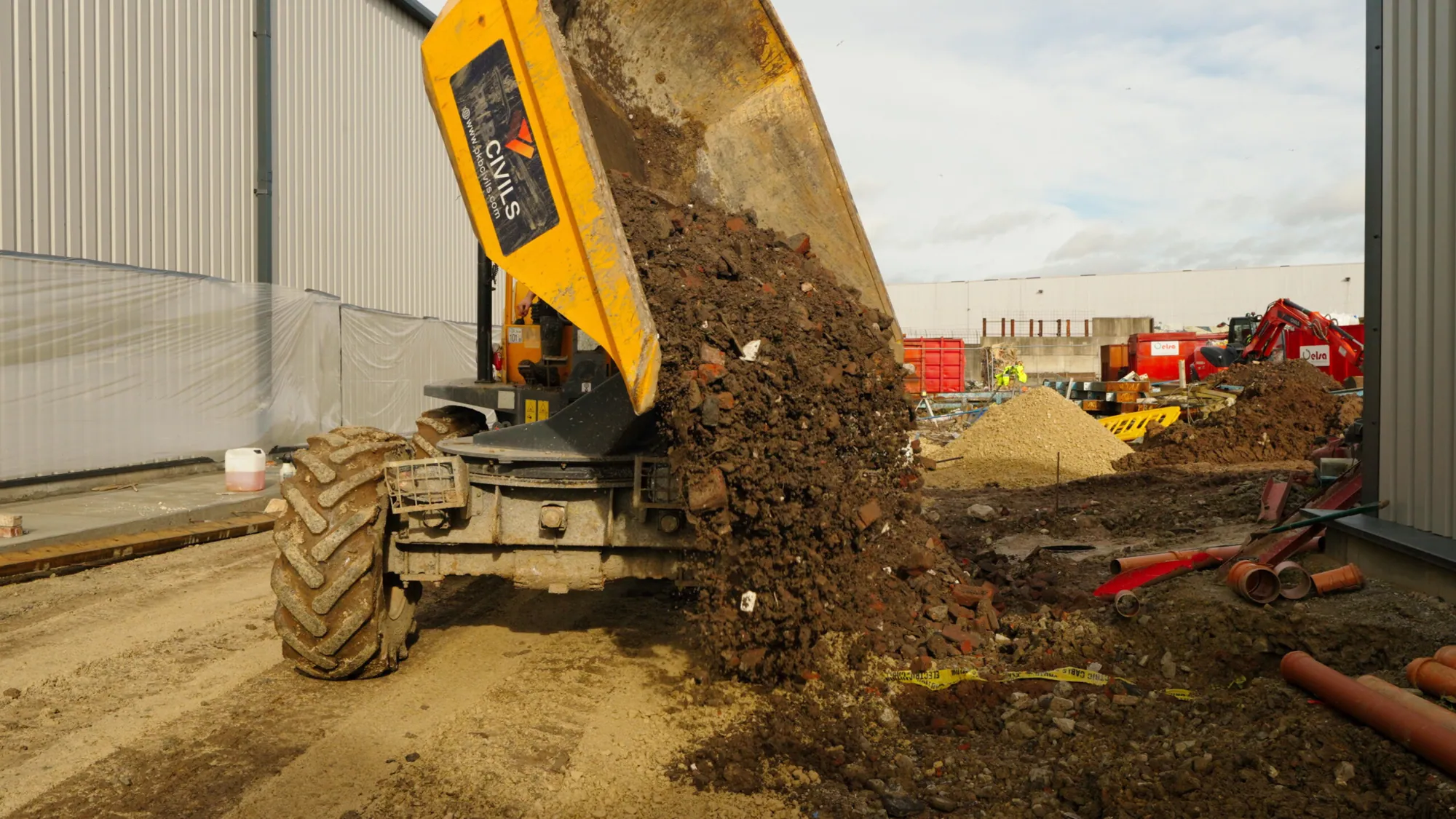
The same people survey, plan and build your job, and your site keeps running while we do it.
Send your briefOn a raised Avonmouth plot we place imported fill in compacted layers and check the levels as it rises and again after, because soft mud and peat below can let a new platform settle away from its design height.
Around Victoria Road, the flood study recommends raising with compensatory flood storage where possible, so we dig the storage and place the fill as one operation, balancing cut against fill across the plot.
On a dig in Redcliffe or Southville, the sandstone is stockpiled under cover, away from the rain, and tested before any of it goes back in as fill, since it turns friable when wet.
Send us a short brief and a few photos. If it's a good fit, we'll arrange a free site survey and plan the work around how your site runs.
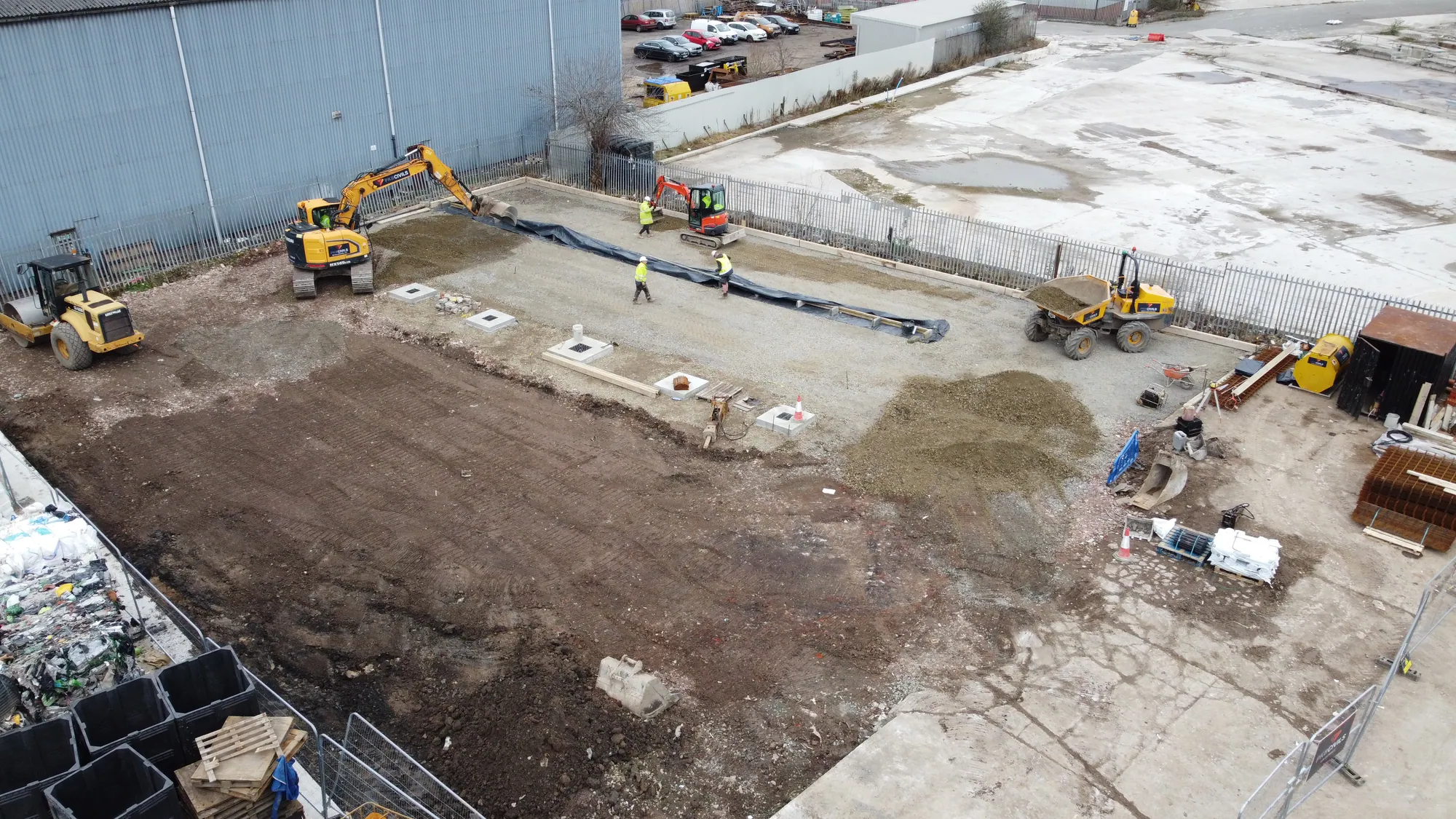
Where cut, fill and spoil most often run into trouble on Bristol sites, and the records that show it.
Ben finds that filling a pothole over a failed sub-base buys a few months at most, and that water is usually what failed it, so a reduce dig on an old Avonmouth yard goes down to firm ground and the drainage is fixed with it.
The drainage board's byelaws bar stacking spoil on a rhine bank where it could damage it, and structures within 8 m need consent: see drainage in Bristol.
On low estuary ground, an open formation that takes heavy rain softens fast, so the dig is opened in sections and covered or sealed before the weather turns.
At Severnside, where tidal flats were worked for brick making and the pits used for landfill, a filled and restored pit may show nothing at the surface, so a level-looking plot can hide soft fill.
The jobs closest to Bristol, with this kind of work first.
Feedback from the people who run these sites, shown with the job we did for them.
Really impressed with your team and how you kept the yard open, the new works look fantastic. Brilliant job.
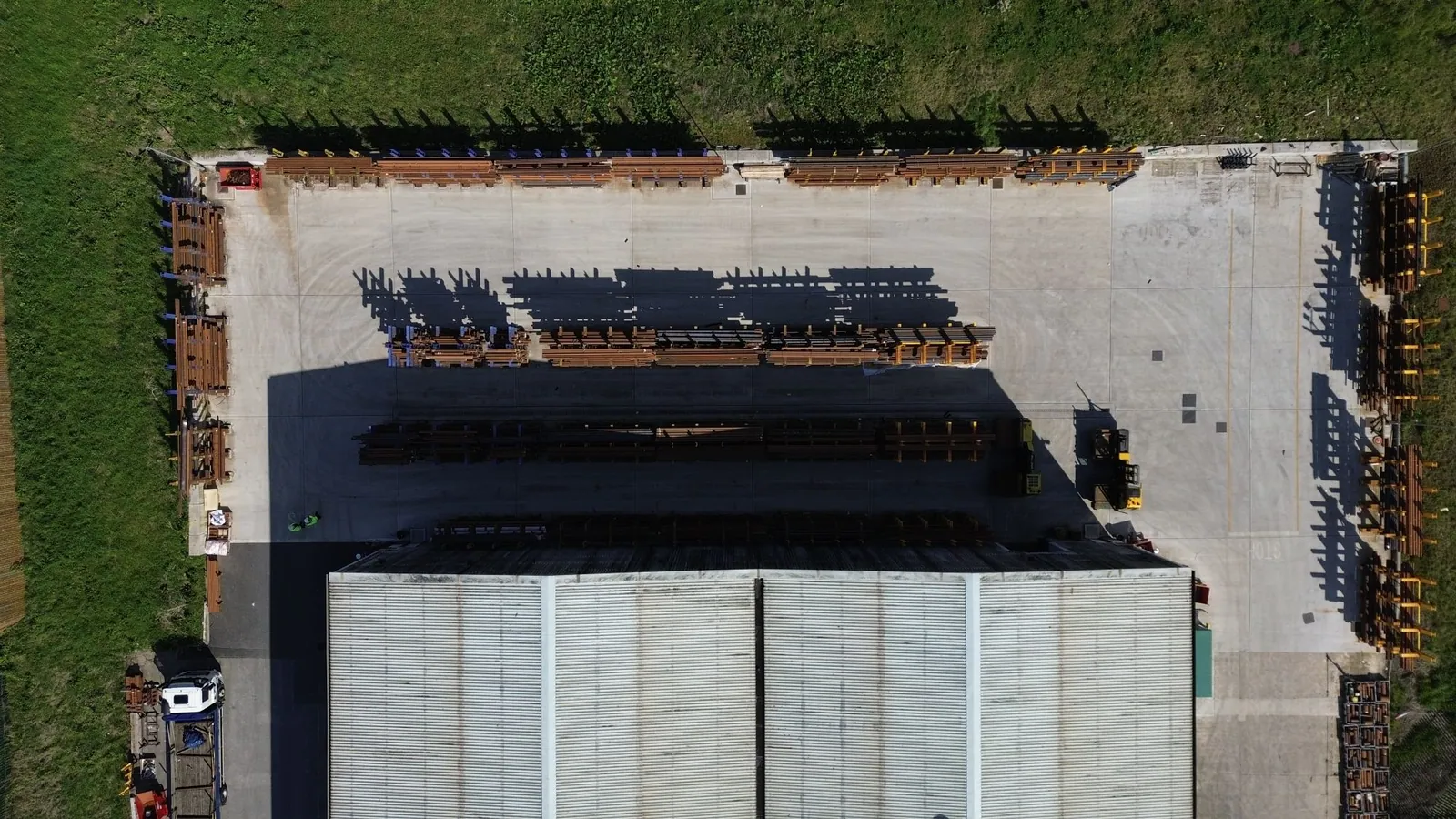
Thanks so much to the team, great work as always. The yard is already making a difference to how we move around site.

Large-scale land raising is ruled out in the zone that holds the Bristol Port Company and the Avonmouth industrial area under the 2011 flood risk assessment, which leaves raising to individual developments, with its impact assessed locally. Raising a plot means importing fill and compacting it in layers, and on soft estuary mud and peat the new weight can make the ground below settle, so the levels are checked as the fill rises and again once it's in.
Decalcified Redcliffe Sandstone becomes friable and difficult to handle when wet, the British Geological Survey warns, and weathered Redcliffe Sandstone used as fill has been known to give poor support to buildings. BGS records the sandstone between Bedminster and Winterbourne, best seen along the Avon at Redcliffe and in the New Cut at Southville, which was dug through it, so material from a dig there needs testing before anyone relies on it under a yard.
East of the M49 at Severnside, the flood study records that widening the rhines, building storage ponds and raising ground levels proved effective in minimising flooding when the industrial area was redeveloped: a worked local example of fill, storage and drainage planned together on one site, and a useful reference for a plot nearby.
Raising a plot near the estuary is a design decision before it's an earthworks one. The finished level comes from the flood risk assessment and the drainage design, and until it's fixed, trial pits and a levels survey can go ahead but cut and fill shouldn't, or the same material may be moved twice.
Reuse isn't always right either. Where a dig south of the centre turns up weathered Redcliffe Sandstone, putting it back under a heavy yard may be the wrong call, given the poor support BGS records, and imported stone can be the better fill. Our guide to making a yard more resilient to extreme weather explains what saturated ground does under a slab.
Postcode districts in Bristol and Avonmouth where we've delivered: BS3, BS5, BS11.
See them on the map
Can't see your question? Call us or send your brief and we'll come back to you.
Send your briefIt can be done, with the right paperwork. In England, one route is CL:AIRE's Definition of Waste: Development Industry Code of Practice. The Environment Agency and CL:AIRE are reviewing it, its next version is due to appear as the Soil Passport Scheme Code of Practice, and the scheme itself will take the Soil Passport Scheme name. Fill from old pits at Severnside, or weathered sandstone, needs testing before anyone counts on reusing it.
Yes, and a desk study first. The British Geological Survey says infilled ground in the district is backfilled with man-made deposits whose make-up is generally not known, and that a filled and restored pit may leave no surface trace of its extent. Trial pits across the plot show where natural ground ends and fill begins before the levels and quantities are fixed.
It's likely to be looked at. For new developments in the zone holding the Avonmouth industrial area, the 2011 flood risk assessment says localised land raising should be considered, especially for any that may involve hazardous substances, as the most reliable flood protection measure. Our part is building the agreed level and proving the fill as it goes in.
They may. In England, reformed waste exemptions are due to come into force on 6 January 2027, subject to parliamentary approval, and the U1 exemption for using waste in construction gets more detailed reforms, with a transition to 6 January 2028. A Bristol job that relies on U1 to reuse crushed concrete or soil should check which rules it falls under.
To approximately 7.0 to 7.2m AOD, according to the 2011 flood risk assessment, alongside wider rhines and new storage ponds, and the combination proved effective in minimising flooding. It's a worked example from close to the M49, useful when weighing up a plot nearby.

Ben has over 10 years of experience in contracting management, specialising in pre-construction with some of the UK's largest contractors. Ben now leads pre-construction, project planning and client engagement.
Tell us what's happening on site. We'll review your brief and, if it's a good fit, arrange a free site survey.