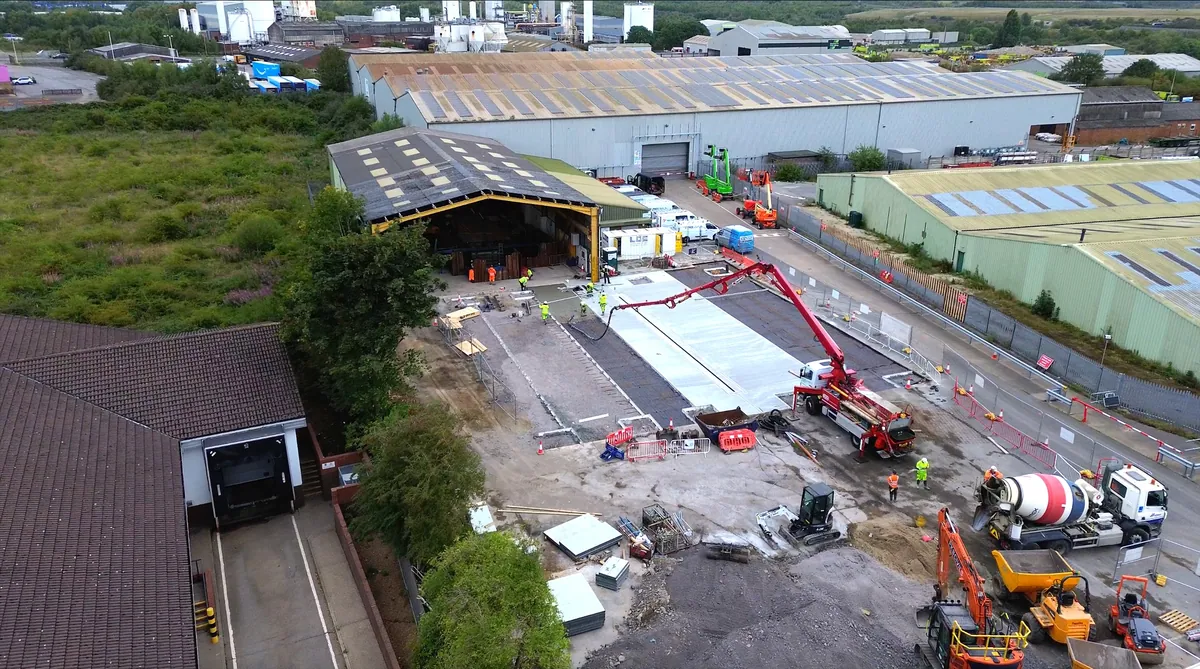
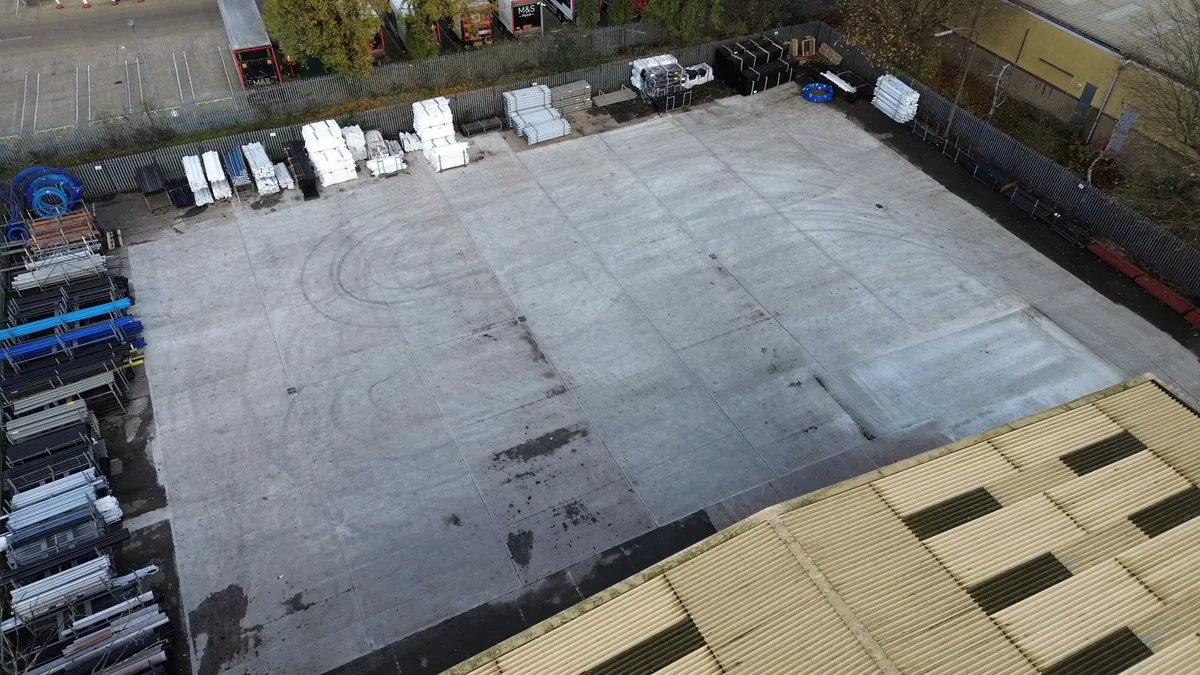
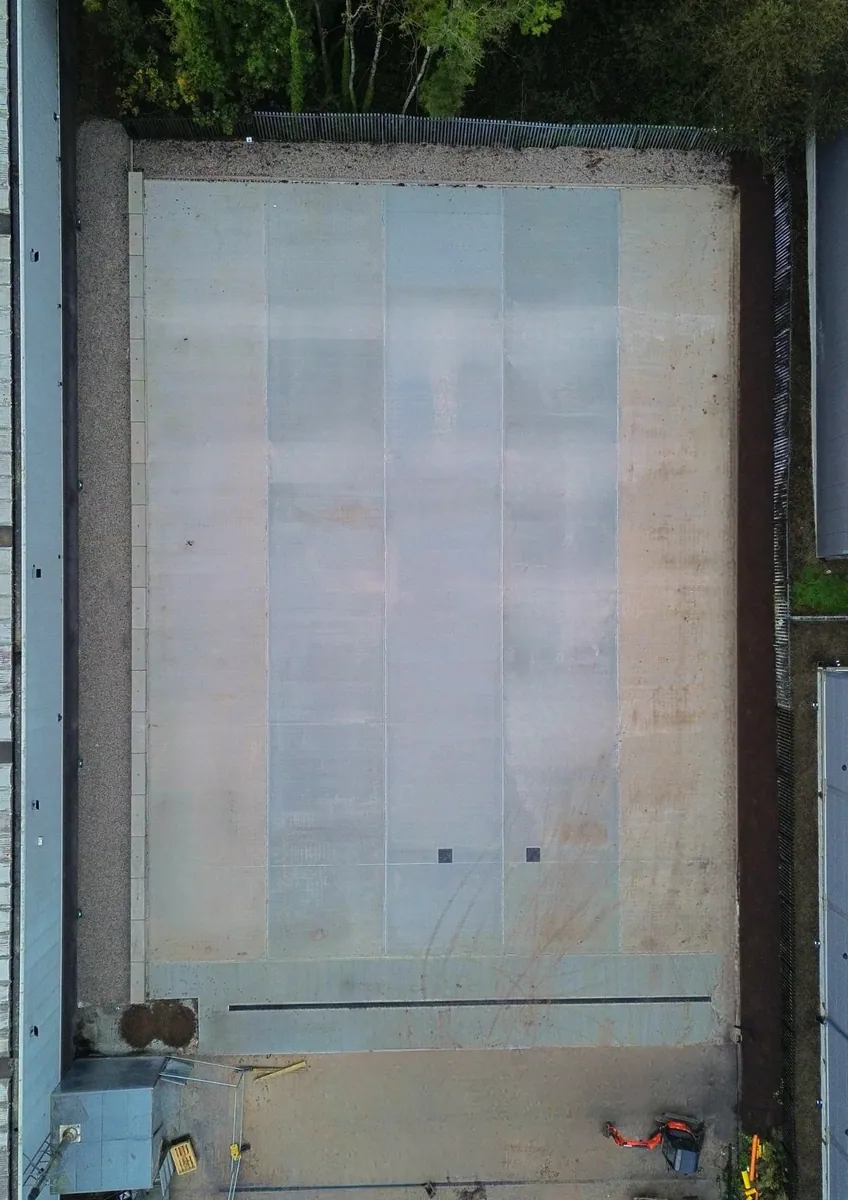
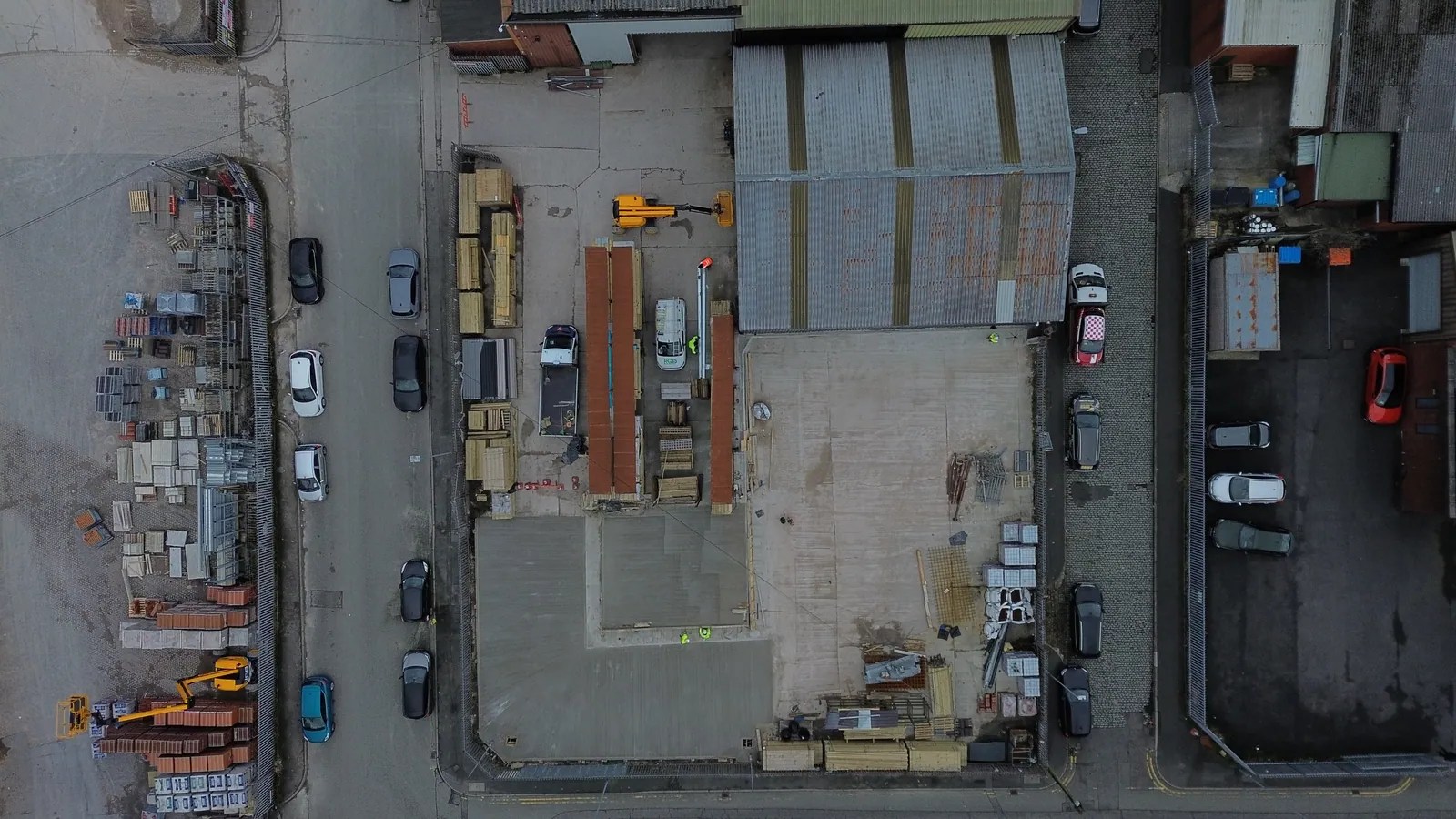
Really happy with the result. Your team were great to have on site and we were trading throughout which was important. Thank you.

Yard extension and retaining wallRochdale, Builders merchants, 3 weeksSee the job

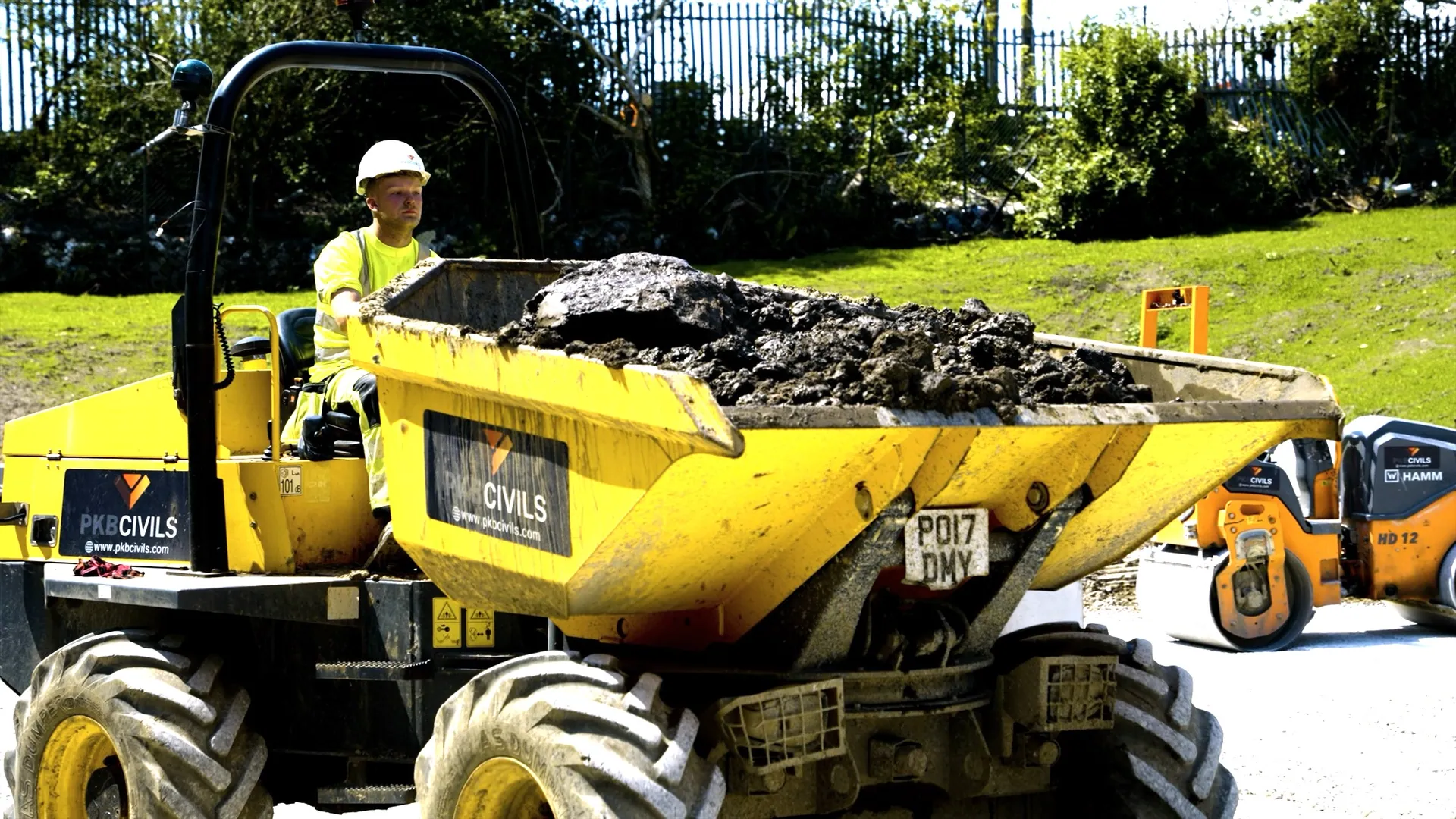
For London yards and plots, PKB Civils is a specialist earthworks contractor: our own crews and plant from Rochdale dig to formation and cut and fill to level, keeping London Clay in use on site wherever the design allows, towards the London Plan's reuse targets.
Reduce digs on old London yards, cut and fill across sloping plots, and platforms formed for new units, on London Clay, gravel or old fill, with the yard alongside kept working. The levels and the spoil are planned by one team, and our own operators run the machines that cut them.
London's planning policy sets city-wide targets for putting excavated material to beneficial use, and expects referable schemes to show how materials from demolition will be reused, so the spoil on a London dig is planned as carefully as the levels. Our delivered districts include EN3, EN11, IG11 and RM19. Our earthworks service sets out the digging, levelling and muck-away we take on.
Everything we can take on for you. Not sure which you need? Send your brief and we will tell you.
Failed slabs and soft ground dug out to a firm formation, with London Clay, fill and broken concrete kept in separate piles as they come out.
Send your briefMaterial moved across a London plot to reach the design levels, with natural clay slopes kept to the shallow angles the geology allows.
Send your briefSuitable dug material compacted back into the site where the design allows, so fewer lorries make the trip across London.
Send your briefSoil that must leave a London site classified and tested before it goes, so clean clay isn't charged as mixed waste.
Send your briefThe formation tested and soft clay or fill dug out and replaced before any sub-base goes down, so a new London yard doesn't start on a weak patch.
Send your brief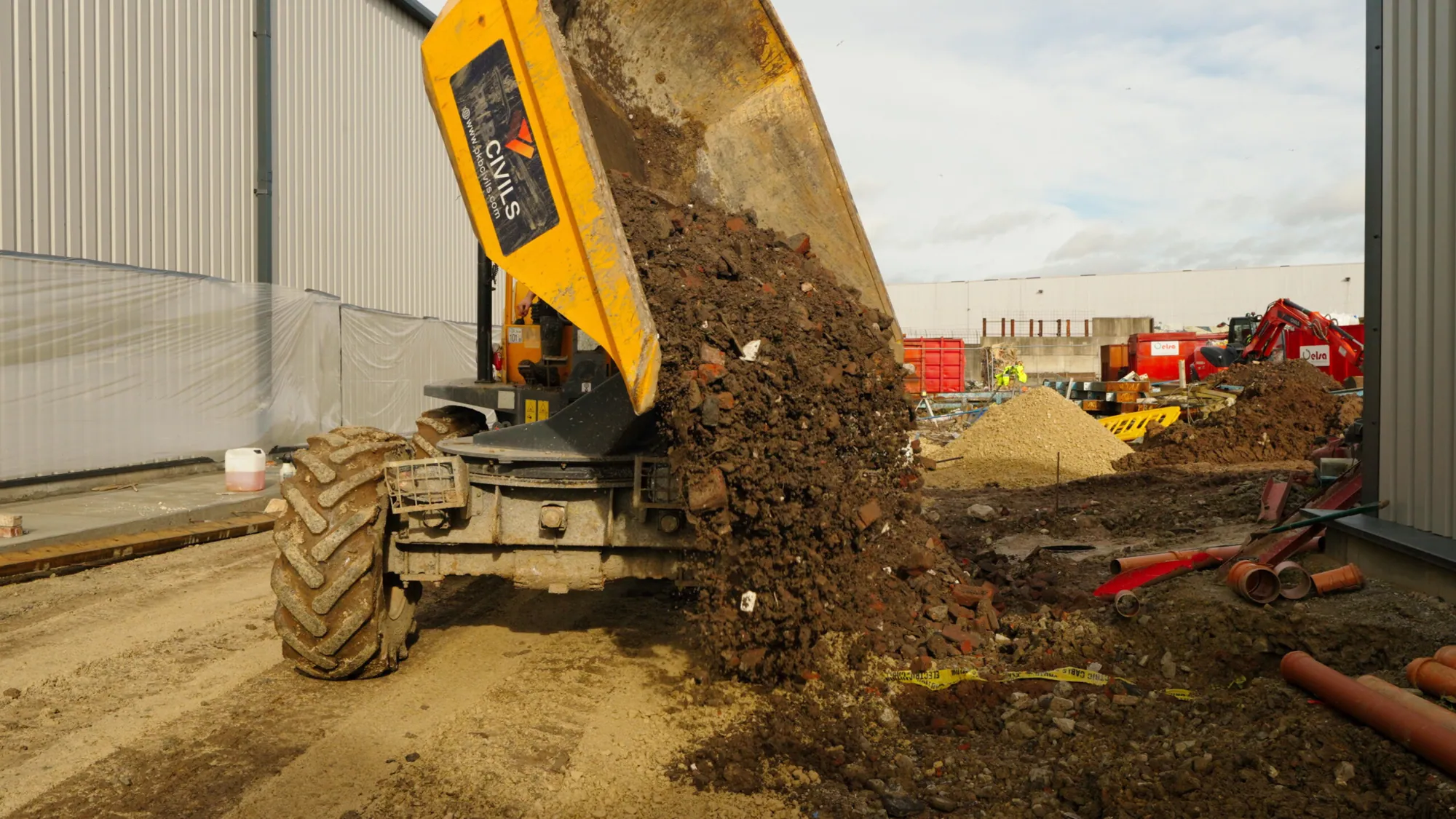
The same people survey, plan and build your job, and your site keeps running while we do it.
Send your briefBen leads pre-construction and project planning, and on a London dig that's where the levels and volumes are set, with the survey and trial holes as the starting point and the programme agreed with your site team.
At Hanson Springs in Rochdale the excavated material was kept on site, compacted into an internal pit, and a London dig is planned the same way wherever the design allows.
Every load compacted back into the site is a lorry that doesn't need routing under London's rules for HGVs, so suitable clay goes back in wherever the design allows and the muck-away is kept to what has to go.
Send us a short brief and a few photos. If it's a good fit, we'll arrange a free site survey and plan the work around how your site runs.
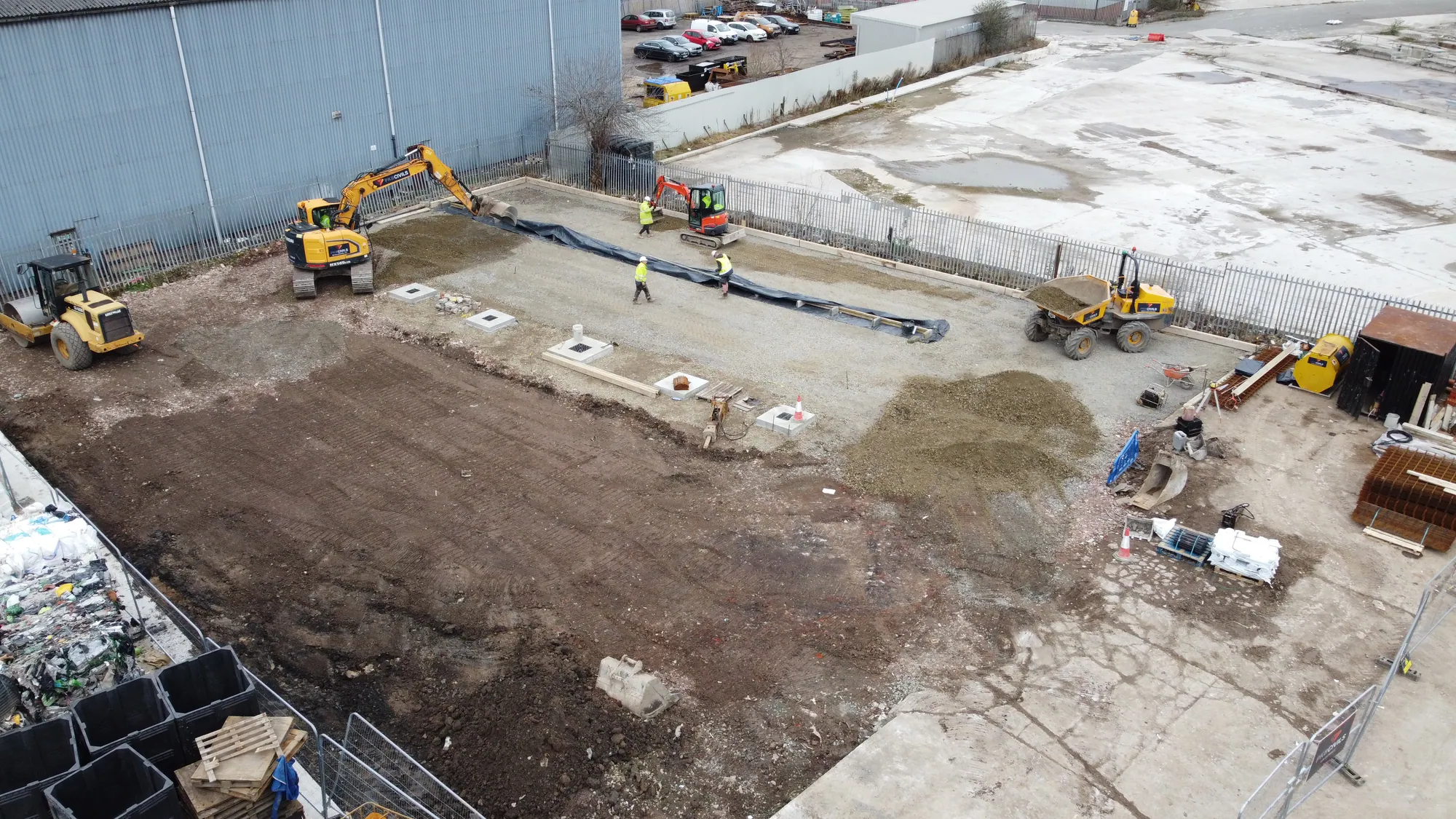
Points where spoil and levels can add time or cost to a London dig, and where each is set out.
Plots on long-used industrial land in London can hide slabs, bases and pipe runs. They're kept apart from the soil as they're broken out, so each goes to the right place.
In east London, where the BGS maps landfill at Rainham Marshes and infilled chalk pits in Thurrock, a dig can open into fill instead of clay, which changes what can be reused and what the tip charges. See groundworks in London.
A load mixing London Clay with timber, plastic or other waste normally pays the standard rate of Landfill Tax unless the standard-rate material is only incidental, according to HMRC, so clean clay is kept apart at the dig.
Where an old London yard has settled over clay or fill, its surface is a poor guide to new levels. Ben's drainage article notes that by the time a yard visibly sinks, the sub-base has usually been washing out for a while, so the dig can find more to remove than the surface suggests.
The jobs closest to London, with this kind of work first.
Feedback from the people who run these sites, shown with the job we did for them.
Really happy with the result. Your team were great to have on site and we were trading throughout which was important. Thank you.

The fact you have a road sweeper coming on-site to clean up, is very much appreciated and shows attention to detail. Your team always work clean and tidy, and what really stood out is their communication and the fact nothing is too much trouble. The concrete repairs exceeded my expectations and should make the area much safer to work in.

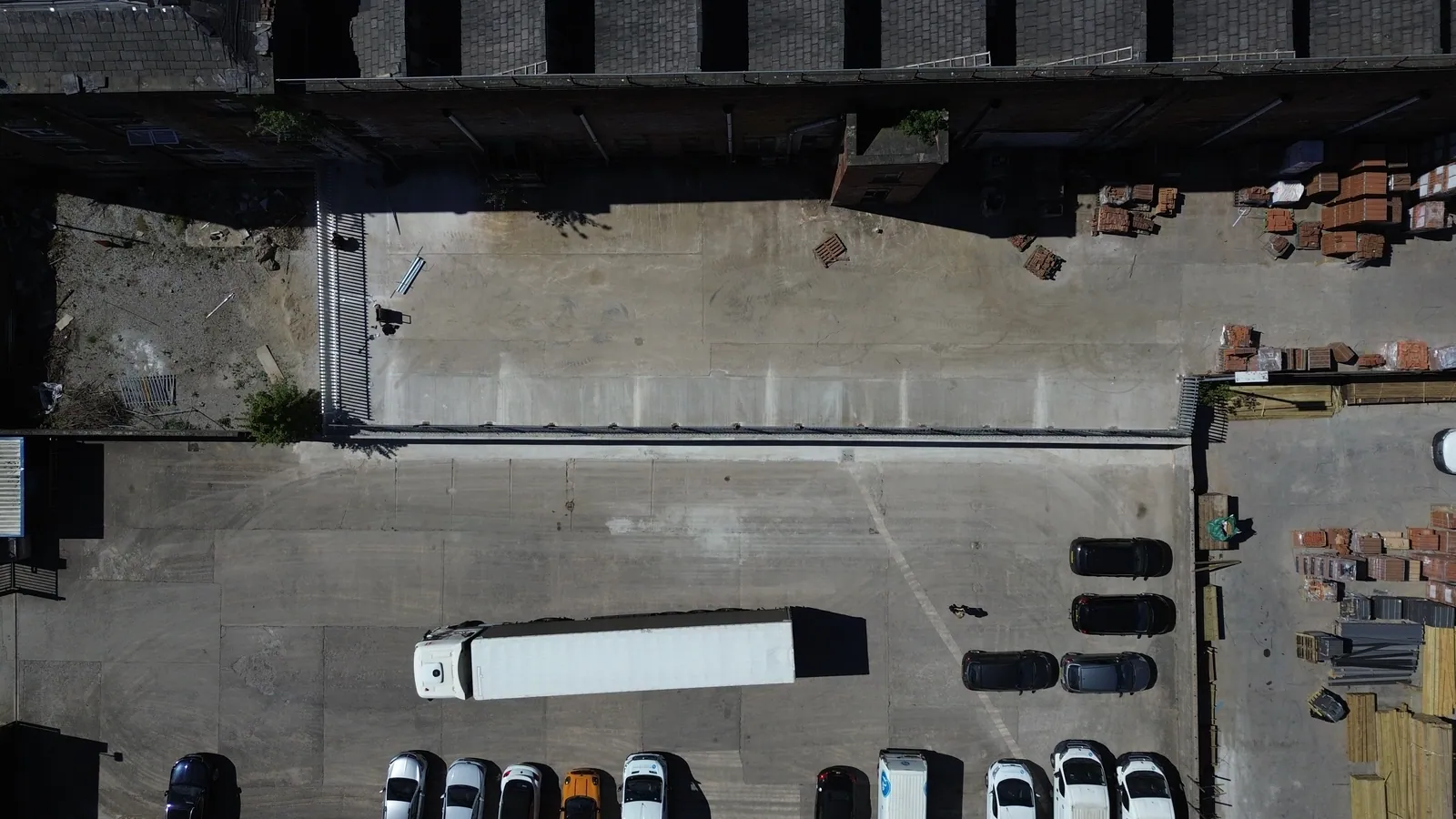
Really impressed with your team and how you kept the yard open, the new works look fantastic. Brilliant job.

Many London digs bring up clay; where it turns out to be gravel, peat or made ground, groundworks in London sets out where each is found.
Slopes on London Clay need care. The British Geological Survey gives 10° and 8° as the stable and ultimate stable angles for natural London Clay slopes, and treats natural slopes of 8° or more on the Claygate Member as potentially unstable, and cites angles of repose of 33° to 37° from BS 6031 for chalk embankments. Natural clay slopes at those angles take a lot of ground, which on a tight London plot is often the first limit on a change of level, and the reason the levels are set from a fresh survey of the plot.
Reusing clay on the same site keeps it off the road and counts towards the London Plan's beneficial-use target. Reusing it on another site as material unlikely to be waste is what the voluntary Definition of Waste code is for, and tipping it brings Landfill Tax, so the destination of each part of a London dig is settled at the survey, with trial holes showing what each part of the plot holds. Clay that does leave goes by road under London's rules for lorries, so every load kept on site is one fewer on roads like the North Circular.
If the levels you need can be reached by building up on a sound formation, digging out good London Clay just to replace it adds lorries and tip charges. The levels survey and trial holes settle which applies. On a tight London plot, every load that stays is one fewer to route out.
And if a yard is sinking, digging it out isn't the first step: the cause, usually water reaching the sub-base, is found first with a camera survey of the drains, and drainage in London covers putting it right. For what a proper formation looks like, see Lauren's guide to why depot yards fail where they do.
Postcode districts in London and around the M25 where we've delivered: DA4, EN3, EN11, IG11, RM19, SE6, SW11, TW16.
See them on the map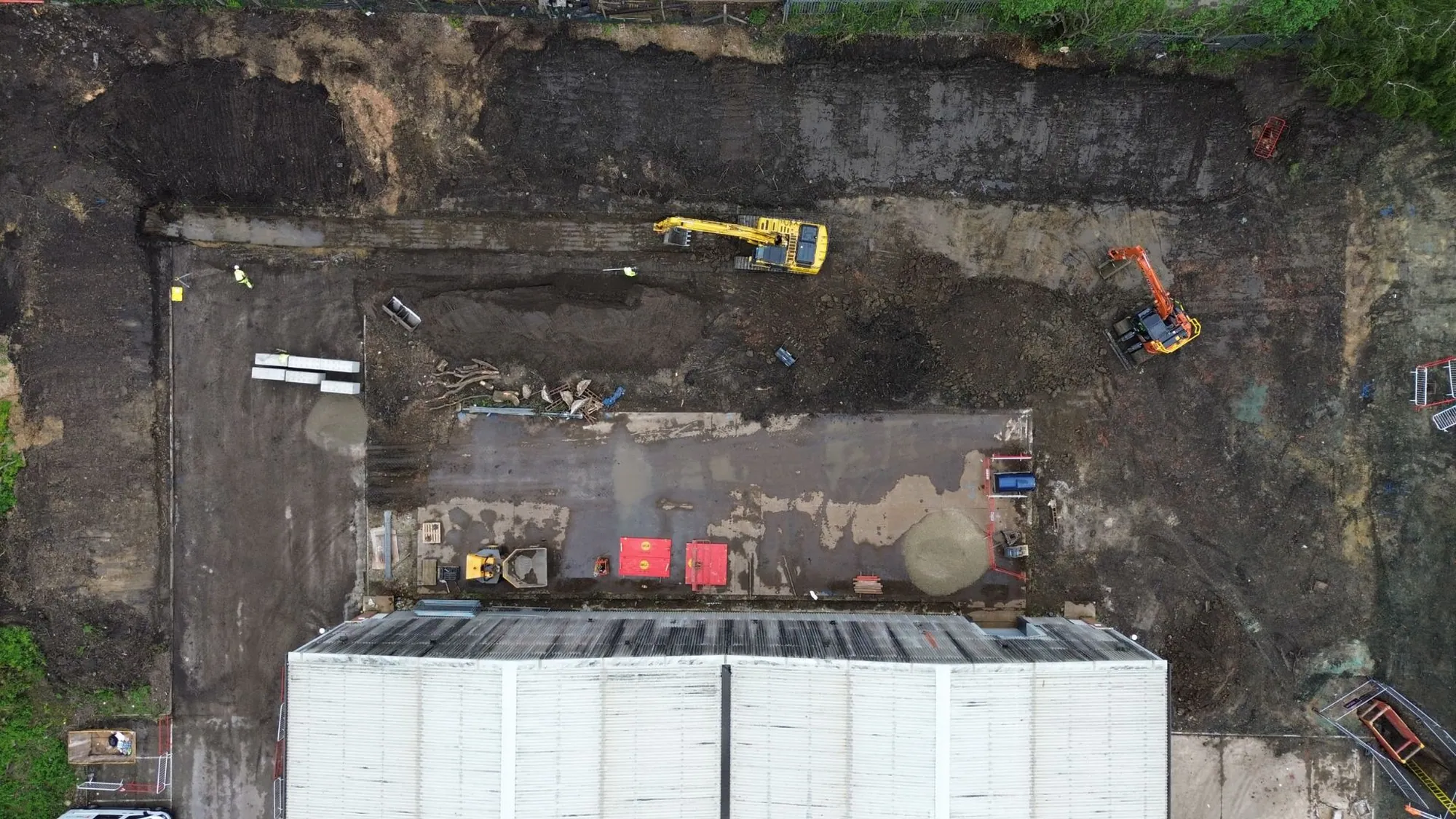
Can't see your question? Call us or send your brief and we'll come back to you.
Send your briefA London-wide one. Policy SI 7 sets a target of 95 per cent beneficial use for excavation waste and 95 per cent reuse, recycling or recovery for construction and demolition waste, and aims for zero biodegradable or recyclable waste to landfill by 2026, according to the London Plan. They're targets for London as a whole, applied through planning, so clean clay kept on site or sent for reuse moves a scheme towards them.
Often, under the voluntary Definition of Waste code. The Environment Agency says clean natural soils and treated contaminated soils dealt with under it are considered unlikely to be waste in land development, but contaminated soil sent elsewhere untreated remains waste. In November 2025 the Environment Agency and CL:AIRE said they are jointly reviewing it, that the new version will be called the Soil Passport Scheme Code of Practice, and that the whole scheme will be renamed the Soil Passport Scheme.
If it's a referable application, yes. Under Policy SI 7, referable applications should submit a Circular Economy Statement showing how all materials arising from demolition and remediation works will be reused or recycled, and the opportunities for managing as much waste as possible on site. Ask the planning authority whether yours is referable before the earthworks are planned.
Sometimes, if there's room. The BGS angles for natural London Clay slopes, set out above, are shallow, so a bank in clay takes up a lot of ground. On a tight London plot a retaining wall usually gives back more usable yard, and it can be built as part of the same programme as the dig.
Yes, where the dig serves a yard, an extension or a plot for a new unit. EN3 is one of our delivered postcode districts, and so is EN11, just beyond London in Hertfordshire and Essex. The free survey is where the levels and volumes are agreed before any plant arrives on site.

Ben has over 10 years of experience in contracting management, specialising in pre-construction with some of the UK's largest contractors. Ben now leads pre-construction, project planning and client engagement.
Tell us what's happening on site. We'll review your brief and, if it's a good fit, arrange a free site survey.