1. Home
  2. Earthworks
  3. Glasgow

Earthworks contractors in Glasgow

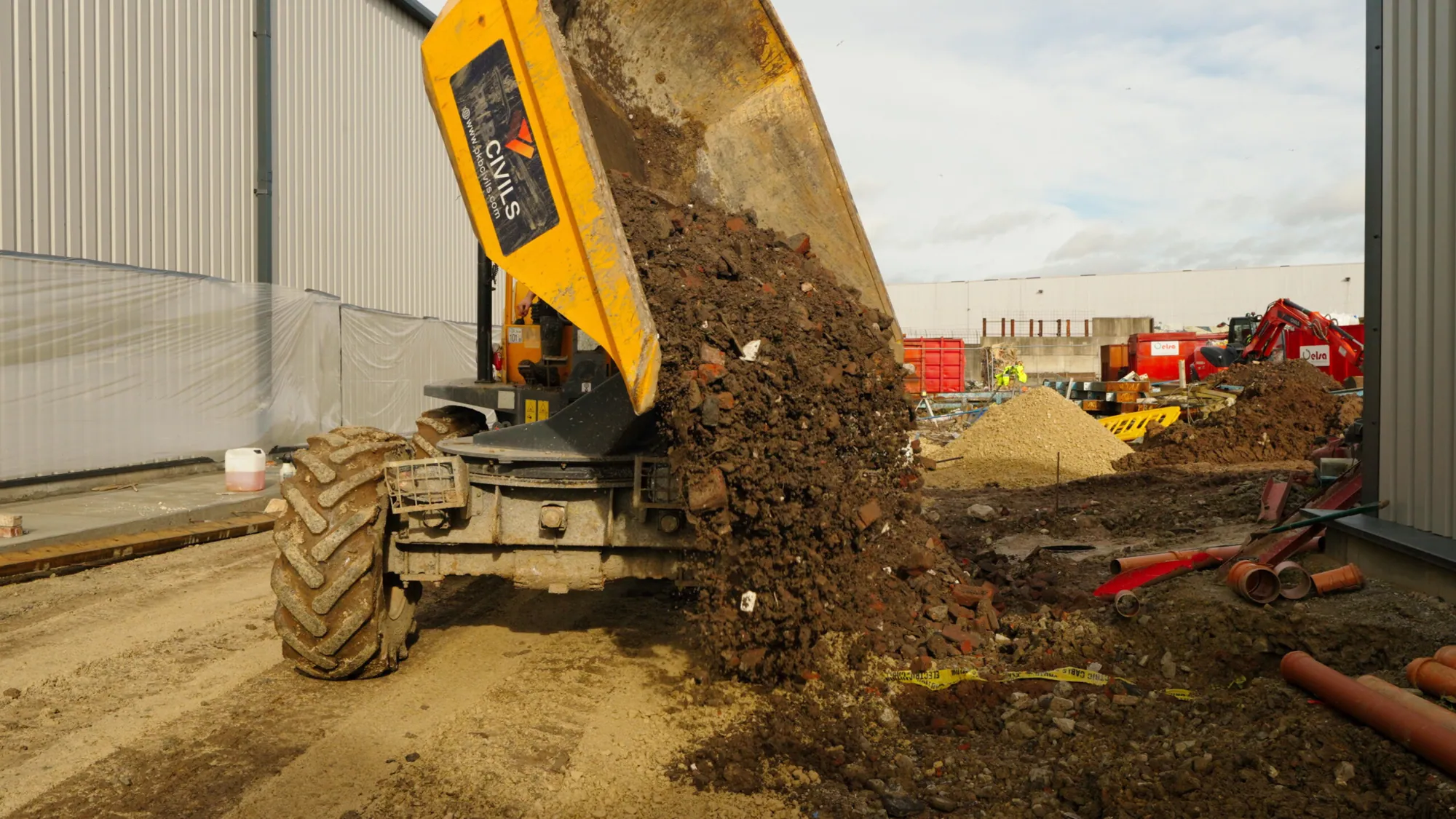
PKB Civils is a specialist earthworks contractor for yards, plots and industrial land across Glasgow and Lanarkshire. With our own crews and plant from Rochdale we dig out old yards and made ground, cut and fill to level and deal with the spoil, testing it first so that whatever can stay on site does.

  • Keeping Clients Operational
  • Works Phased Around Your Site
  • Our Own Crews and Plant
  • Principal Contractor

Earthworks for Glasgow's commercial and industrial sites

Send your brief

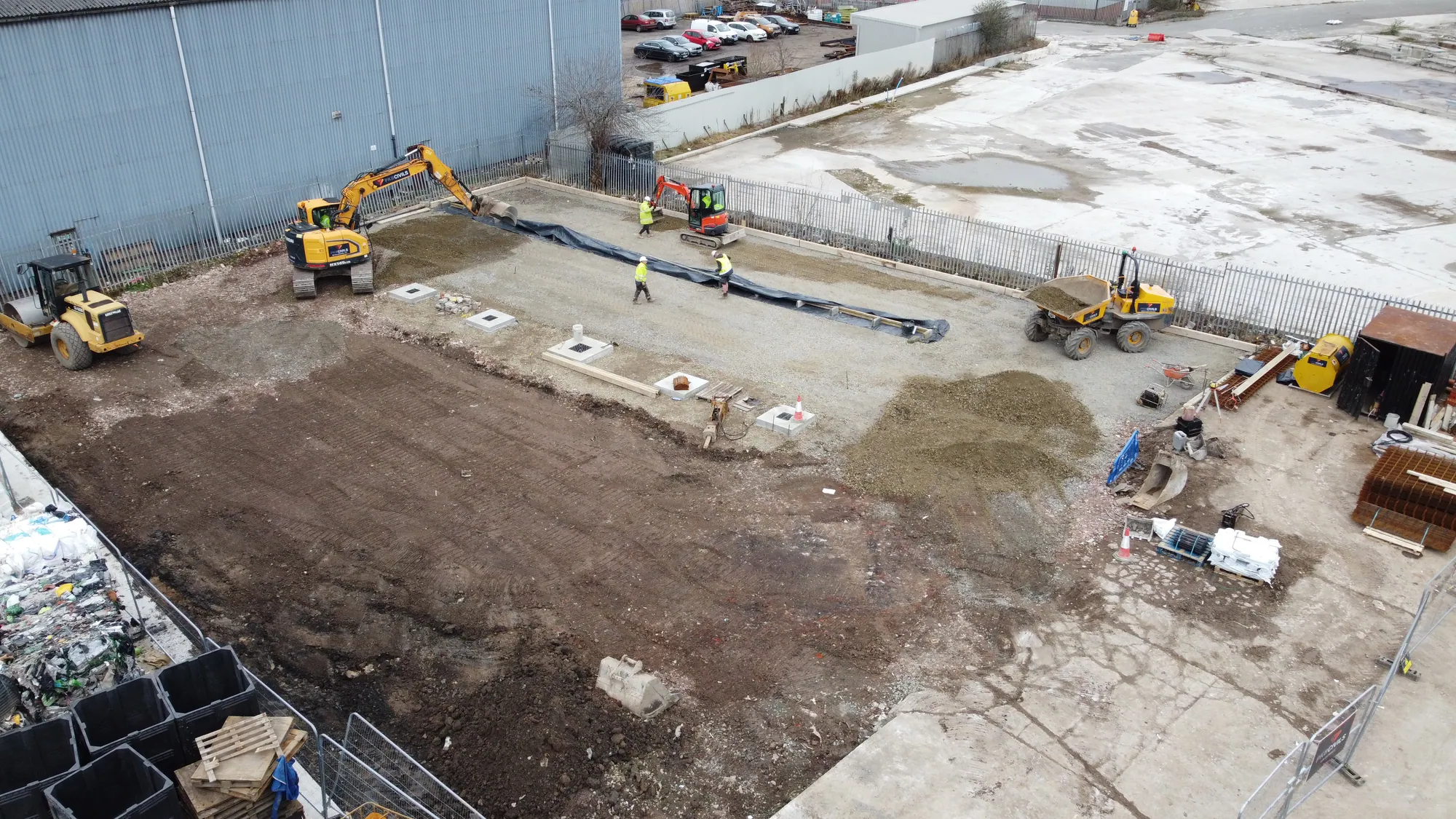
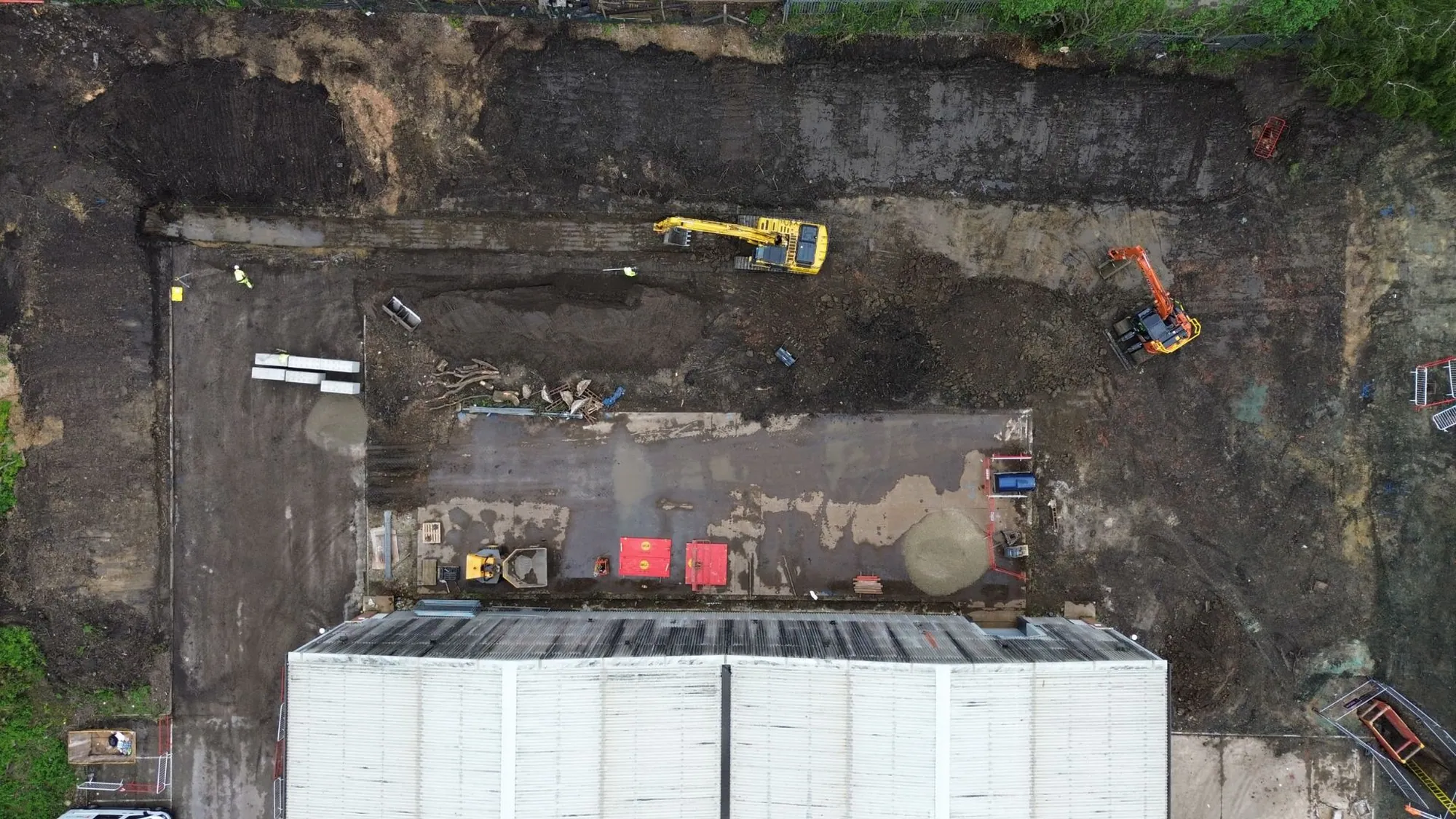
For site managers with ground to take out or build up before a Glasgow yard, pad or plot can go ahead. We break out the old surface, dig down to a firm formation, cut and fill to level and compact it, with our own plant and surveying kit, and the levels we leave are the ones the drainage and concrete crews need. Our earthworks service covers the work in full.

On Glasgow's former industrial land the soil is sampled and tested before a bucket goes in, because what it holds decides how much can stay on site and how much has to go.

2,000+Projects completed across the UK
150,000m²Concrete poured across all our jobs
40yearsFamily-run in Rochdale since 1986

Earthworks in Glasgow: what we do

Everything we can take on for you. Not sure which you need? Send your brief and we will tell you.

  • Dig-outs to formation

    Reduce digs down to a firm formation for new yards and pads, with the depth set by what the trial holes find under the old surface.

    Send your brief
  • Clean soil kept on site

    Suitable soil reused in levels and banks on the site it came from, once testing shows it can stay.

    Send your brief
  • Old concrete in site surfaces

    Broken concrete, brick and soil reused in site roads, hardstanding or access under a SEPA registration, where the tonnage fits.

    Send your brief
  • Cut and fill on sloping ground

    Levels cut and filled to make a flat yard on a sloping plot, balancing the two so less spoil leaves the site.

    Send your brief
  • Sub-base dug back to sound ground

    Failed sub-base under an old yard dug out to firm ground and rebuilt, because a patch laid over failure soon breaks up again.

    Send your brief

Why Glasgow sites choose us for earthworks

The same people survey, plan and build your job, and your site keeps running while we do it.

Send your brief
  • Spoil planned before the dig

    Where each load goes is settled before the dig starts: back into the site where testing allows, into site surfaces under a SEPA registration, or away to a licensed site. On a Glasgow job that plan is fixed before crews and plant set off from Rochdale.

  • Soil kept out of landfill tax

    For a Rochdale springs maker, the spoil went back into the site's own ground, compacted into a pit. On a Glasgow job, suitable soil kept on site the same way also stays out of Scottish Landfill Tax.

  • Levels the next trade can trust

    We set out and check levels with our own surveying equipment, so the drainage and concrete crews can start without rework. Where an old yard has failed we dig back to sound ground, as our guide to potholes in service yards explains.

Earthworks planned for a Glasgow site?

Send us a short brief and a few photos. If it's a good fit, we'll arrange a free site survey and plan the work around how your site runs.

Send your brief

What to settle before a Glasgow dig

The Scottish rules that decide where spoil from a Glasgow site can go, and what each one asks.

  • Importing fill

    Bringing in waste soil for restoration or construction needs an EASR registration from SEPA if it's 100,000 tonnes or less and meets the standard conditions, and a permit if it's over 100,000 tonnes or can't meet the standard conditions, so check the paperwork with the supplier before the first load arrives on site.

  • Soil moved between sites

    Clean soil moved to another site isn't the same case as soil reused where it was dug, though SEPA lists off-site use of greenfield soil in construction, in line with regulatory guidance, as low risk.

  • Treated soil used elsewhere

    Soil treated on one site and used anywhere else needs its own waste management authorisation under SEPA's remediation guidance, so treatment and reuse are planned together from the start.

  • Remediation set through planning

    In Scotland the council leads on land remediation through planning, SEPA's guidance notes, so on a Glasgow site the conditions on the planning consent shape what the earthworks can do.

What our clients say

Feedback from the people who run these sites, shown with the job we did for them.

1 / 2
Concrete repairs
The fact you have a road sweeper coming on-site to clean up, is very much appreciated and shows attention to detail. Your team always work clean and tidy, and what really stood out is their communication and the fact nothing is too much trouble. The concrete repairs exceeded my expectations and should make the area much safer to work in.
Concrete repairsRochdale, Manufacturing, 4 to 5 weeksSee the job

What ground and site conditions should you expect in Glasgow?

What comes out of a Glasgow dig depends on what stood there before. On former industrial land by the river and in the east end, made ground can run many metres deep, covered on groundworks in Glasgow, and it can hold almost anything earlier industry left behind. So it's sampled and tested before anyone decides it can be reused, because on old works land, soil that looks clean isn't something to judge by eye.

Shawfield shows how long the legacy of a single works can last. Clyde Gateway traces chromium contamination there to the Whites Chemical Works, which closed in 1968, and a clean-up contract in the Shawfield phase 2 area was completed in July 2020, more than fifty years after the works shut.

Contaminated soil doesn't always have to leave. Under SEPA's land remediation guidance, soil covered by a remediation plan agreed with the regulator can go back into the site it came from without a waste management authorisation, as long as it's for a certain use, it's suitable as it stands and only what's needed is used, with no environmental harm. Where a plan doesn't cover it, expect SEPA to want an authorisation first, so the testing, the plan and the earthworks programme are worked out together.

When earthworks isn't the right call

If contaminated ground has to be treated before it can be used, the treatment comes first. On site it needs a mobile Land Remediation Permit from SEPA and a site-specific working plan agreed with it, under its land remediation guidance, and the earthworks follow once both are in place.

If a new building is part of the scheme, the council's flood and drainage requirements may set its finished levels, covered on drainage in Glasgow, so the earthworks wait for those figures.

And if the dig is in a back garden, Ben's rule is that we say so plainly at the start: we only take on commercial and industrial sites.

A local track record

Postcode districts in Glasgow and Lanarkshire where we've delivered: G51, ML4.

See them on the map
2,000+Projects completed across the UK
1986The year PKB started in Rochdale

Questions about earthworks in Glasgow

Can't see your question? Call us or send your brief and we'll come back to you.

Send your brief
Can we reuse soil dug on a Glasgow site without a SEPA licence?

Yes, if it's uncontaminated and used on the site it came from: SEPA says that needs no formal authorisation, and nor does reusing contaminated soil on its own site in line with its land remediation guidance. Some low-risk uses may still need council approval or a declaration to SEPA, so testing and a quick check come before the first load is placed.

What does Scottish Landfill Tax mean for muck-away from a Glasgow site?

It's the tax paid, by weight, on waste sent to landfill in Scotland. Revenue Scotland collects it, working with SEPA, and it replaced UK landfill tax in Scotland from April 2015, so HMRC's landfill tax guidance doesn't apply to Glasgow spoil tipped in Scotland. The less that goes to landfill, the less tax a job carries.

Can asbestos found in old fill go back into the ground as backfill?

No. SEPA's land remediation guidance says it doesn't consider asbestos-containing material suitable for backfilling or any other construction use. If it turns up in made ground on a Glasgow site, that material is kept apart from the rest of the spoil and dealt with separately, and the reuse plan for everything else is checked again.

Can we use broken concrete from our yard to build a site road?

Yes, within limits. Using up to 300 tonnes a year of waste such as concrete, bricks, soil and stones in site roads, tracks, hardstanding, parking or access needs a registration with SEPA, with no more than 500 tonnes stored at any one time and only the listed construction waste types. Bigger projects come under a separate registration.

Can you work on a plot near Shawfield?

Yes, with testing first. Clyde Gateway says the next steps there involve further decontamination of the most polluted sites and new road and drainage infrastructure, so on a nearby plot the soil is sampled before anything is reused, and contaminated material either follows a remediation plan agreed with the regulator or leaves the site.

Ben Duffy

Written by Ben Duffy

Director, PKB Civils. Page reviewed

Ben has over 10 years of experience in contracting management, specialising in pre-construction with some of the UK's largest contractors. Ben now leads pre-construction, project planning and client engagement.

Got a yard that's holding you back?

Tell us what's happening on site. We'll review your brief and, if it's a good fit, arrange a free site survey.

Call usSend your brief